FLUX.2 Klein Base 4B was tested here as a practical image model, not as a benchmark score. The set asks a narrower question: can a 4B base model make useful 1024×1024 images across product work, a crowded night scene, macro detail, constrained text, and a reference-led edit? Five outputs cannot settle every question about a model, but they do reveal where the model gives a strong starting point and where a human should expect another pass.
FLUX.2 Klein Base 4B test setup
FLUX.2 Klein Base 4B on Wiro accepts text prompts and an optional input image. It exposes steps, guidance scale, seed, width, height, and sample count. All five recorded tests used one sample at 1024×1024, 30 steps, guidance scale 4.0, and seeds 101 through 105. The first four runs were text-to-image. The fifth supplied one dog photo as the image reference.
| Setting | Value used |
|---|---|
| Model | black-forest-labs/flux-2-klein-base-4b |
| Output size | 1024×1024 |
| Steps | 30 |
| Guidance scale | 4.0 |
| Samples | 1 per prompt |
| Seeds | 101-105 |
The Base label matters. Black Forest Labs describes the 4B Base variant as an undistilled option for fine-tuning, LoRA work, and more flexible sampling, while its distilled Klein models target short production runs. The official FLUX.2 repository also lists text-to-image, single-reference editing, and multi-reference editing for the Base family. These tests use a modest 30-step setting, so they show one usable operating point rather than the full range of the checkpoint.
What the five outputs actually show
1. Product photo realism
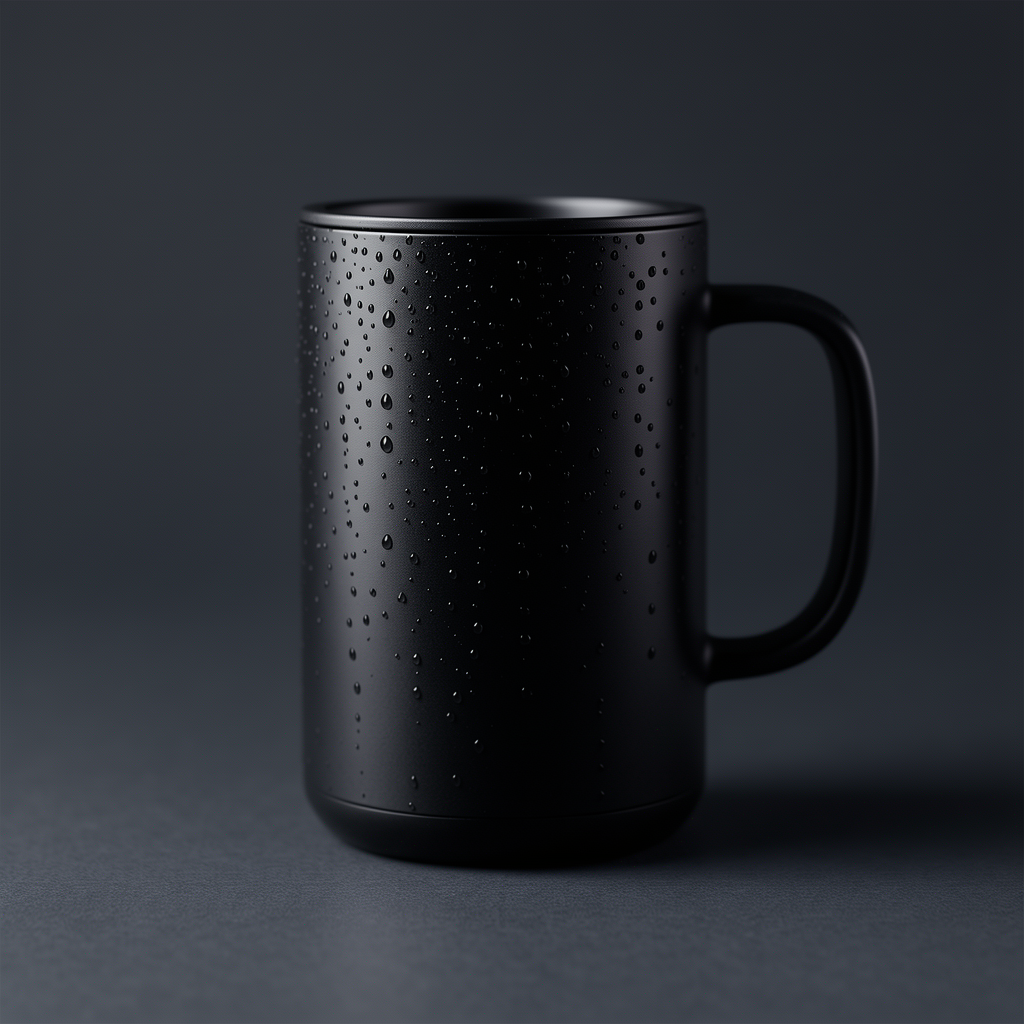
The travel mug test combines a matte surface, small condensation beads, a dark base, softbox light, a rim light, and shallow depth of field. The output gets the broad commercial-photo cues right: the mug reads as coated metal, the background stays restrained, and the light gives the object separation without turning the slate into a mirror. The close details still deserve inspection before use in a product listing. Condensation and edge transitions are plausible at normal viewing size, not proof that every bead or reflection will survive a crop.
2. Rainy street scene and a short neon word
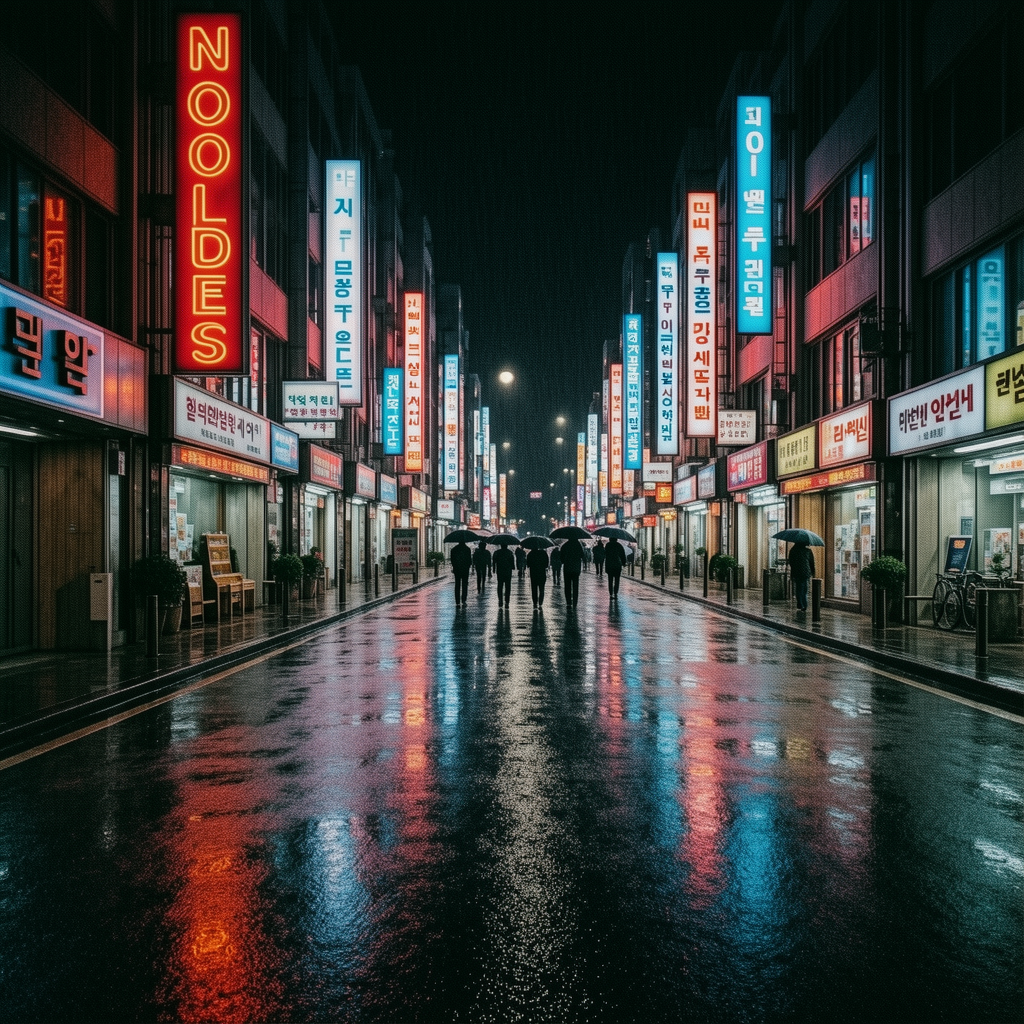
The Seoul prompt is harder because it asks for wet pavement, umbrellas, distant people, film grain, neon, and the word NOODLES. The result shows the model can organize a layered night scene and carry reflections through the frame. The sign is the real stress point. Short, high-contrast words have a better chance than paragraph-length copy, but generated lettering should always be checked character by character. That caution agrees with the model card, which warns that rendered text can be distorted or inaccurate.
3. Macro detail
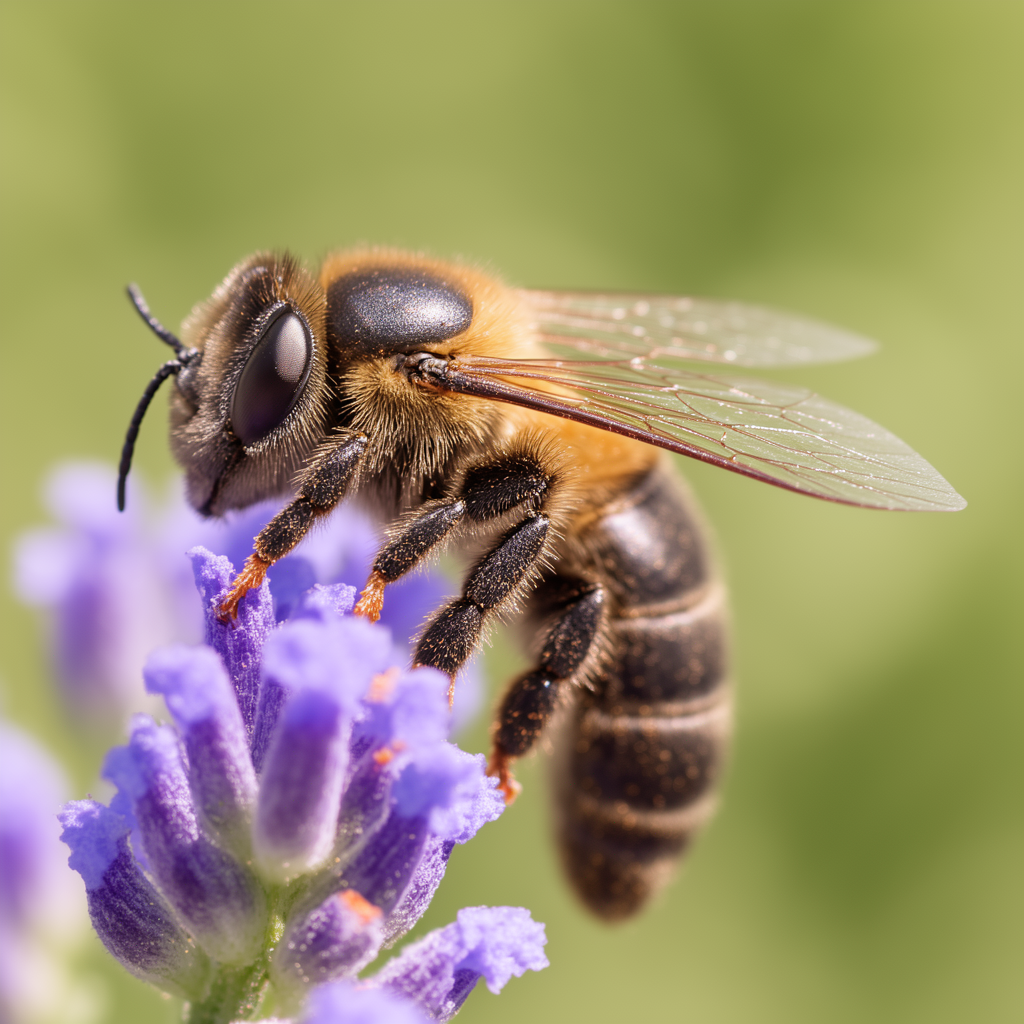
The bee image tests a different failure mode: an extreme close-up needs a deliberate focal plane, fine wing structure, pollen texture, and a background that falls away without swallowing the subject. Here, the sharp eye area and soft green background make the intended lens language clear. The image is useful evidence that the model can separate subject and background in a natural-light macro composition. It is not a scientific illustration. Small anatomy and pollen detail should not be treated as factual reference material.
4. Typography on a physical sign
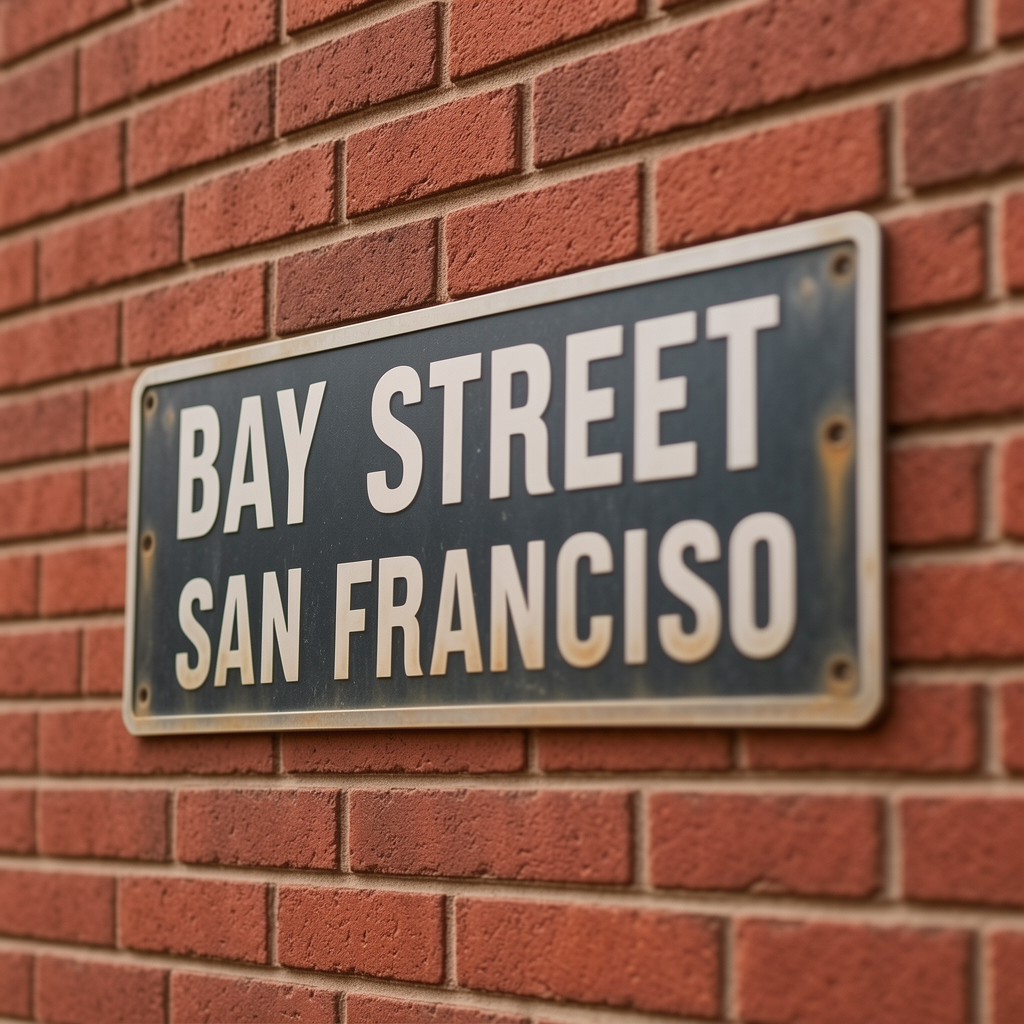
The street-sign prompt reduces the layout problem to two lines: BAY STREET and SAN FRANCISCO. That is a fairer text test than asking for a dense poster. The output can look convincing as a photographed object because the brick wall, shallow focus, and metal sign give it structure. Exact lettering remains the limitation. Use this route for a mood board, concept frame, or background plate. For a final sign, place approved copy in a design tool after generation. Readers comparing model sizes can also see the separate Klein Base 4B vs 9B prompt test.
5. Reference-led film-still edit
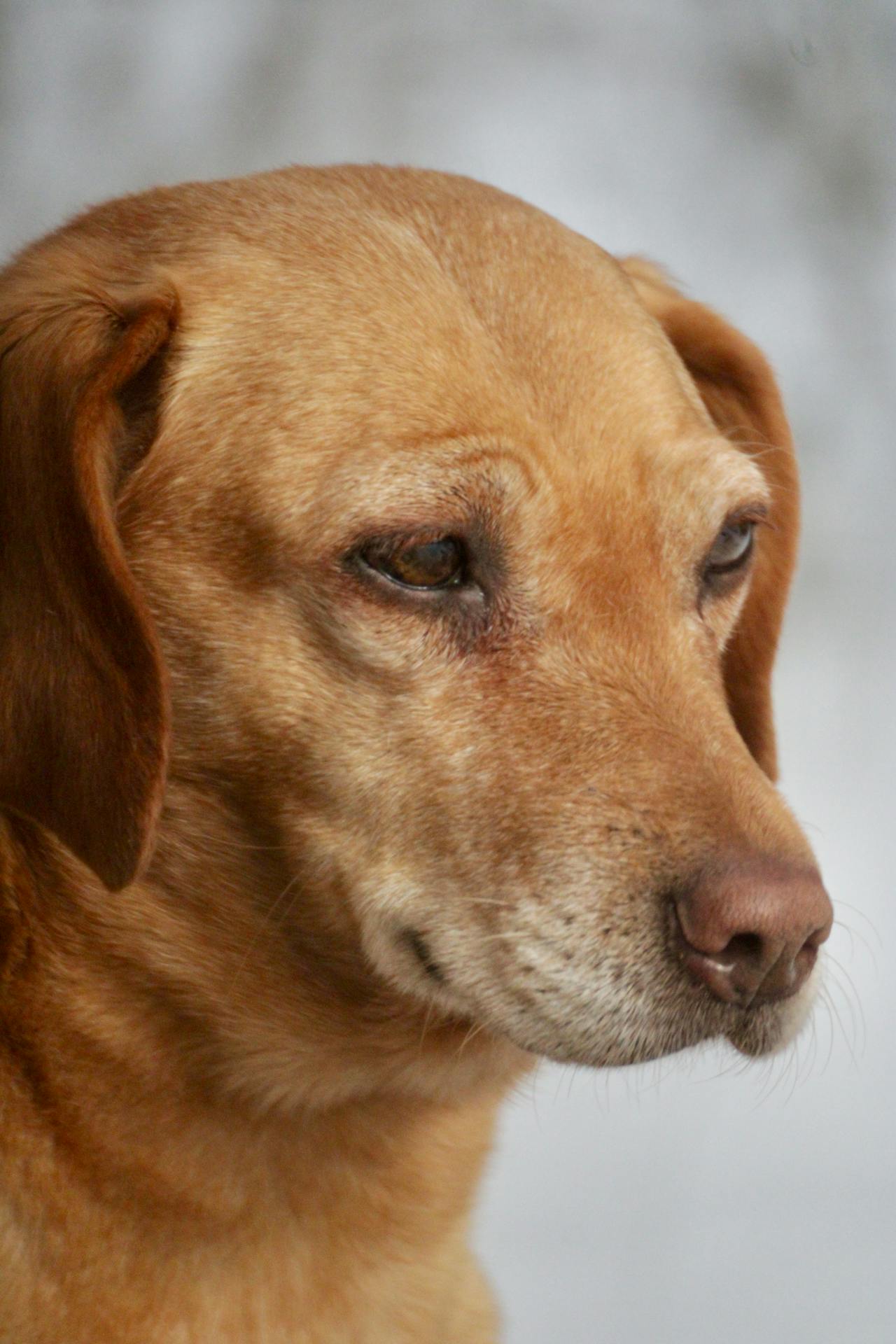
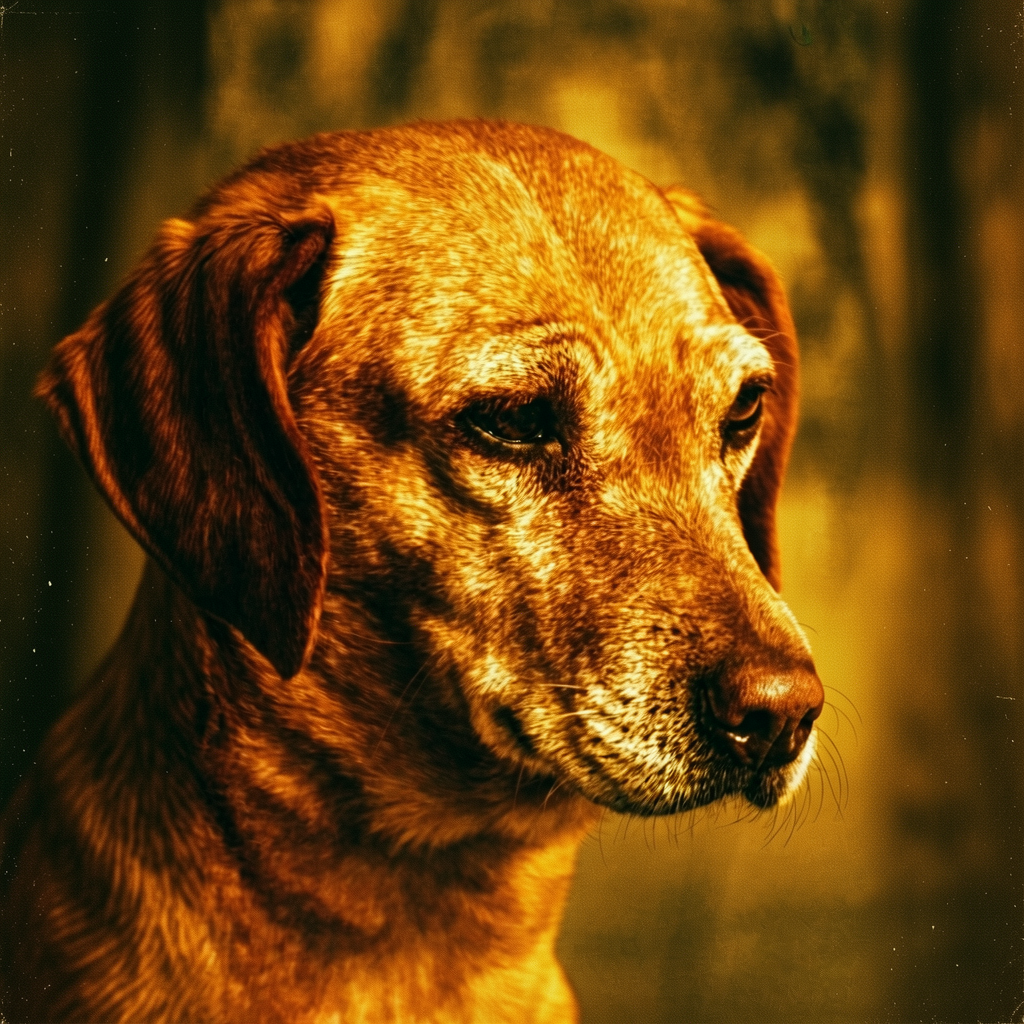
The fifth test starts with a real dog photo and asks for a 1970s film-still treatment while retaining pose and fur detail. The input establishes what must stay stable; the output shows whether the model can shift light, grain, and color without losing the subject. The edited frame keeps the basic pose while moving the image toward warm tungsten lighting and a cinematic grade. That makes this model a sensible option for look exploration from a supplied asset. For more complex reference workflows, see the related FLUX Kontext Max Multi edit test.
Run time and cost per output
The saved records for these five original outputs do not include a completed-task duration or charge, so no per-output time or cost is claimed for this set. The current Wiro model documentation includes an illustrative completed example with one PNG output and a 6-second elapsed time, but it does not attach a completed-run price to that example. Its separate cancellation example reports a total cost of $0.003510; that is not a usable price quote for a completed output. Actual elapsed time and charge can vary with queueing, resolution, steps, samples, and the supplied reference image. Check the run record before budgeting a batch.
When to pick this model
Pick FLUX.2 Klein Base 4B when the work needs a small open 4B model, Apache 2.0 licensing, text-to-image plus reference editing, or room to tune sampling and train a LoRA. The official Hugging Face model card positions the 4B line for consumer hardware and describes the base model’s generation and editing capabilities. Pick a distilled Klein variant when repeatable low-latency generation matters more than base-model flexibility. Pick a larger model when tiny text, intricate layouts, or fine detail must hold with less cleanup. This test set supports that split: Klein Base 4B is strong at scene direction, materials, lens cues, and style changes; it needs verification on exact lettering and small factual detail.
Try FLUX.2 Klein Base 4B
Run the model at Wiro’s FLUX.2 Klein Base 4B page, then start with one sample, a fixed seed, and the 1024×1024 settings above. Change one variable at a time when comparing prompts.