Realtime voice conversation is moving from demo material to product infrastructure. On Wiro, that category already includes live speech-to-speech models, configurable turn detection, transcript handling, and multiple model families that fit different voice-agent jobs.
- What realtime voice conversation means
- Which Wiro models shape this category
- How to pick the right realtime voice conversation stack
- Why this category matters now
What realtime voice conversation means
Realtime voice conversation is not just text generation with a voice layered on top. The Wiro docs describe a persistent WebSocket flow where the app starts a session, registers with a socket token, streams microphone audio in binary chunks, receives AI speech back as binary audio, and listens for turn-level events such as task_stream_ready, task_stream_end, task_cost, task_output, and task_postprocess_end. That matters because a live agent fails when timing feels wrong, even if the words are fine.
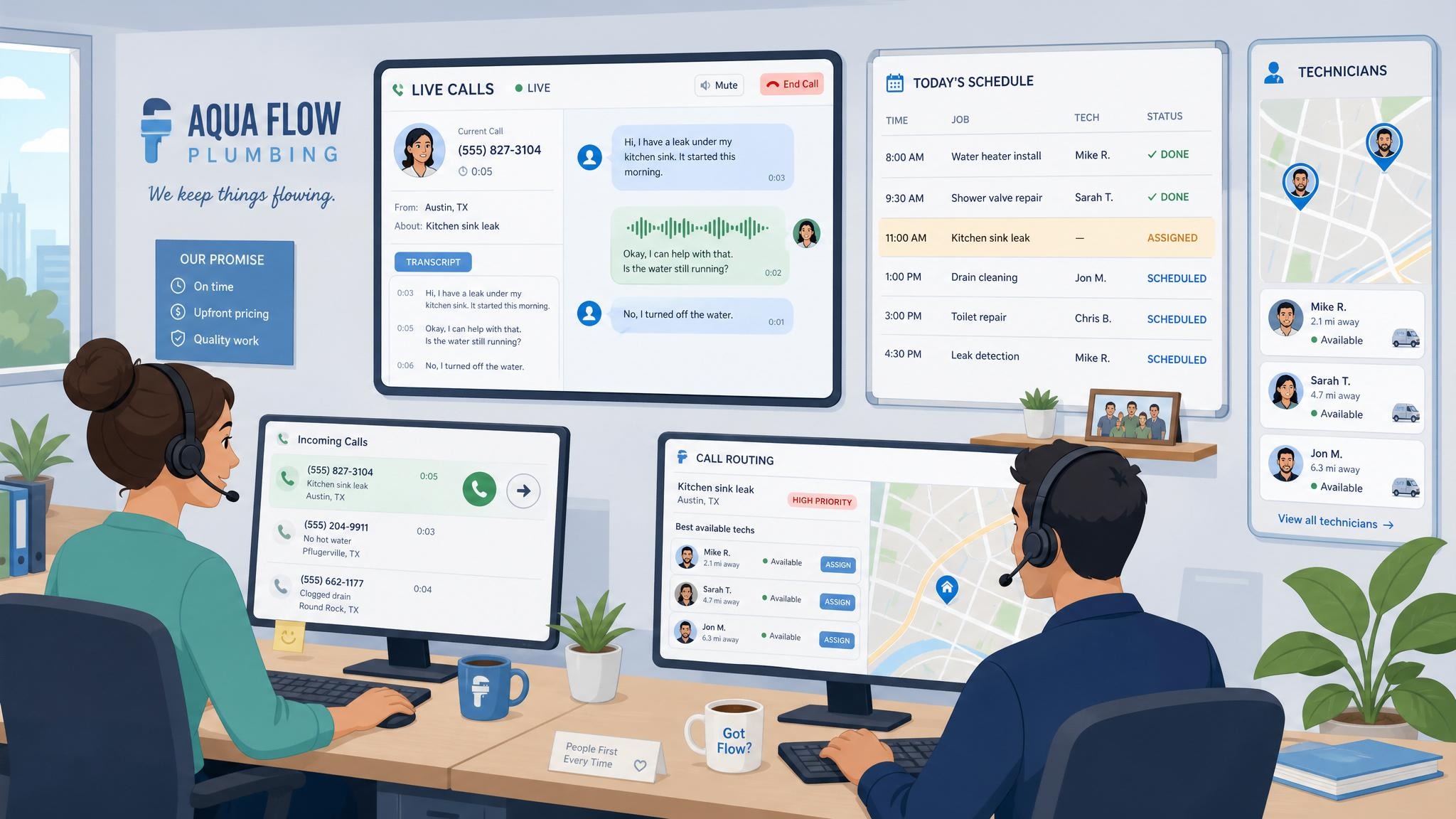
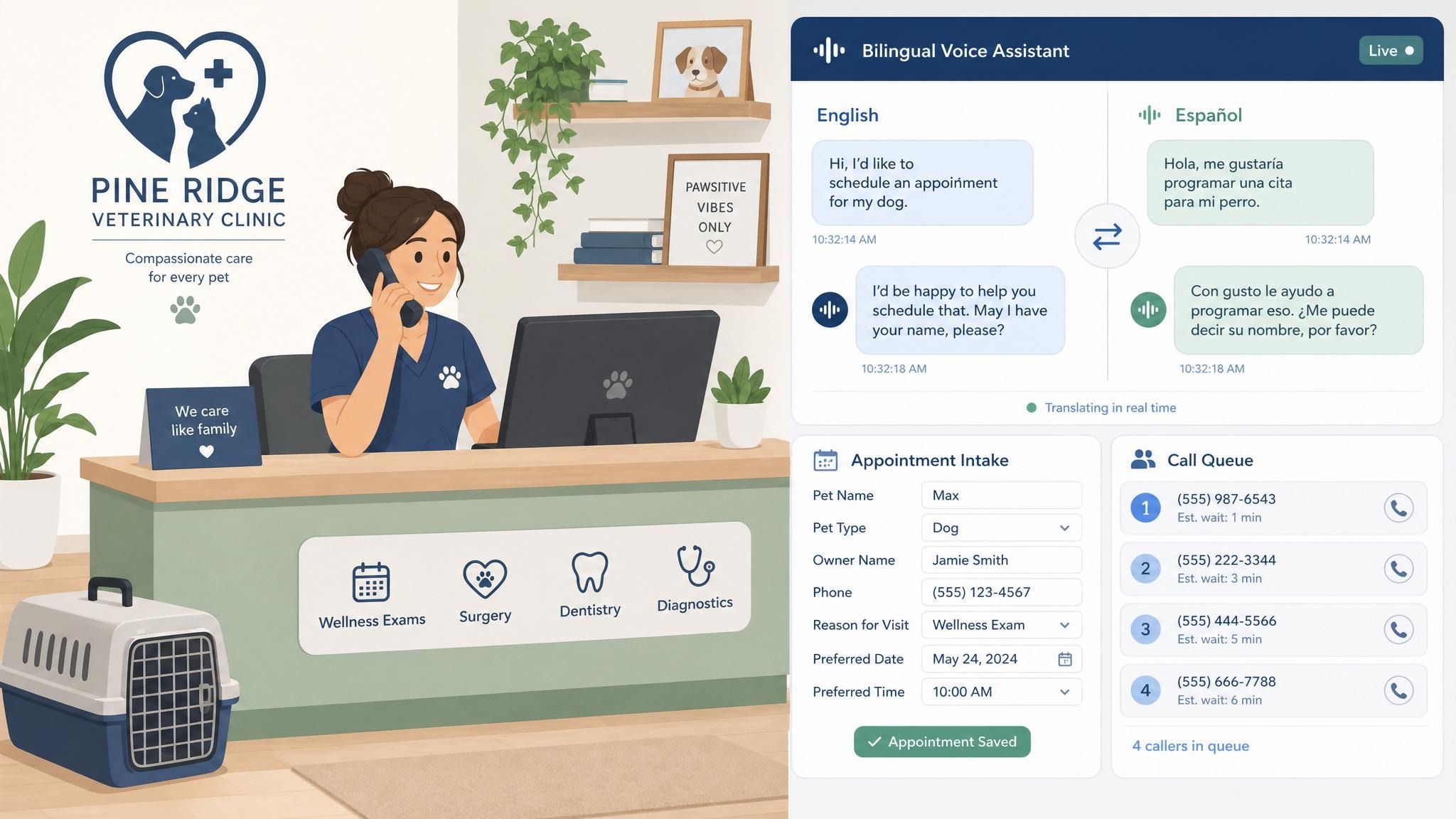
The structure is stricter than a one-shot voice API. Audio moves in both directions at 24 kHz PCM. The session can be interrupted mid-response. Transcripts arrive during the same exchange. The client is expected to stop playback fast when a user cuts in. That makes this category useful for support desks, reception flows, intake calls, and internal assistants where a human should be able to jump in naturally.
For a call-handling use case, the AI voice receptionist guide shows where this turn-taking pattern fits into a local-business workflow.
This is also where Wiro looks more complete than a simple model directory. The platform does not just expose a prompt box. It exposes the session model needed to build something that actually feels live.
Which Wiro models shape this category
The current Wiro realtime voice conversation lineup already gives this category a few clear lanes. GPT Realtime and GPT Realtime Mini are the most obvious general-purpose picks. Their Wiro pages expose voice selection, transcription model choice, input and output audio format, audio rate, turn detection threshold, and silence timing. That means a product team can tune how quickly a caller is cut off, how polished the assistant voice sounds, and which transcription model sits under the call flow.
There is a second lane too. ElevenLabs Realtime Conversational AI gives Wiro a voice-agent option that leans harder into presentation and call behavior. Its model configuration emphasizes greeting logic, language, voice behavior, turn eagerness, latency optimization, and response style. That makes it a strong fit when the product is not only answering questions, but also trying to sound distinctly branded.
OpenAI’s official Realtime Agents examples show how voice-agent patterns can combine realtime sessions with agent orchestration and state handling.
ElevenLabs’ official Conversational AI documentation also covers the agent setup behind its voice and chat flows.
These models do not all compete on the same axis. GPT Realtime looks best when the product needs a general voice assistant that can listen, transcribe, reason, and reply cleanly. GPT Realtime Mini looks like the lower-friction starting point for prototypes and cost-aware rollouts. ElevenLabs looks stronger when the voice itself is a key part of the experience.
The provider docs point in the same direction. OpenAI’s realtime documentation frames the product around live multimodal sessions and streaming connections. ElevenLabs positions conversational AI around low-latency voice and chat agents. Wiro puts both shapes in one place. That is the more interesting story than a simple one-model review.
Teams that need a separate transcription layer can compare the category with this realtime speech-to-text guide.
How to pick the right realtime voice conversation stack
The fastest way to choose inside this category is to decide what matters most in the live call.
| Priority | Best starting point on Wiro | Reason |
|---|---|---|
| Fast prototype with room to scale | GPT Realtime Mini | Shared session pattern with the larger OpenAI realtime setup |
| Higher-touch assistant quality | GPT Realtime | Stronger premium default for live voice assistants |
| Voice brand and conversation styling | ElevenLabs Realtime Conversational AI | More obvious control over greeting, voice feel, and pacing |
That framework helps avoid a common mistake. Many teams pick by brand first. That usually leads to rework later. The better way is to pick by turn-taking behavior, transcript needs, and how much control the product needs over voice identity.
There is also a practical engineering angle. Because Wiro exposes the same session concept across realtime docs, a team does not need to relearn the whole platform when it switches models. That lowers the cost of experimentation. It also makes this category stronger as a blog topic, because the value is not only model quality. It is model choice inside a consistent delivery layer.
Why this category matters now
Realtime voice conversation is one of the cleanest ways to show what Wiro offers that many competitors still flatten. A lot of platforms can claim voice AI. Fewer expose multiple live conversation models, shared session logic, and enough controls to build an actual voice workflow instead of a toy demo.
That matters for the blog too. The existing PersonaPlex article already covers one realtime speech-to-speech model. This broader category post can do a different job. It can explain the shape of the space, show how Wiro’s realtime voice stack is evolving, and help readers decide where to start.
For teams building a receptionist, phone support agent, or in-app live assistant, the practical answer is simple. Realtime voice conversation is already a real category on Wiro, and it is strong enough to deserve its own guide.
For the operational side of those calls, the AI agents for follow-ups guide covers what can happen after the conversation ends.
See the full realtime voice conversation docs on Wiro, the OpenAI realtime guide, and the ElevenLabs conversational AI page for the underlying model patterns.