AI agents for push notifications help mobile teams plan sends around real events, not scattered reminders and last-minute calendar fixes. That matters because retention messaging usually depends on timing. A good message sent late still misses the moment.
Launches, regional holidays, feature drops, and store events all create work across product, growth, and marketing. Without a system, the plan drifts. One market goes live early, another gets missed, and follow-up messages land out of sync.
Table of contents
- What AI agents for push notifications do
- Where they help most
- How the workflow runs
- How to choose the right setup
- FAQ
What AI agents for push notifications do
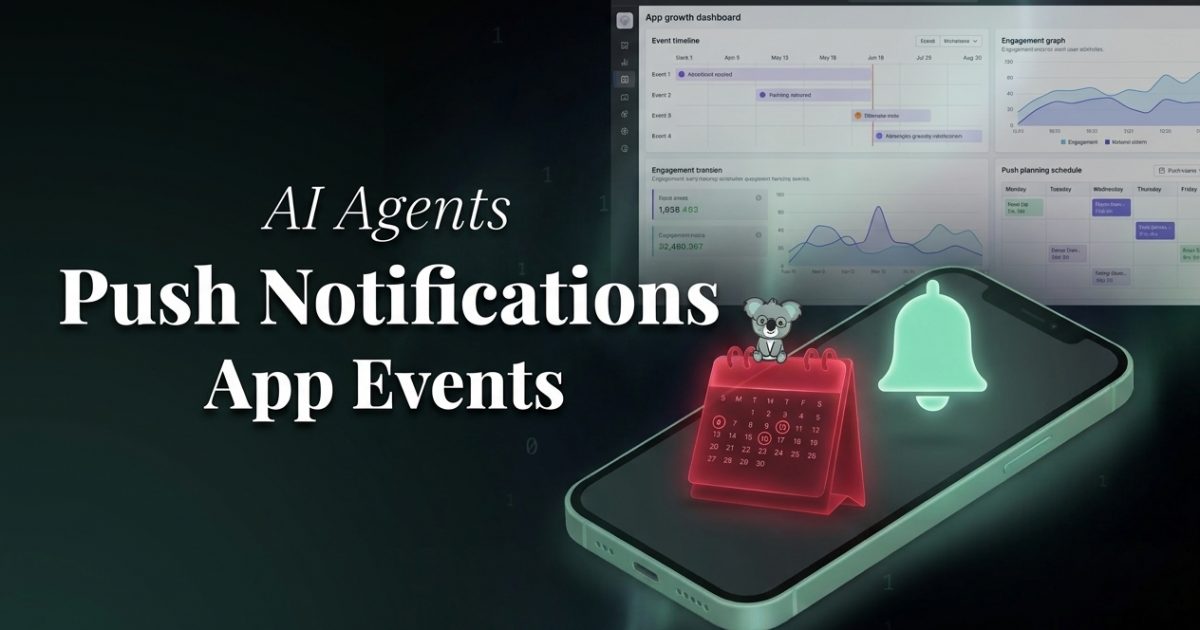
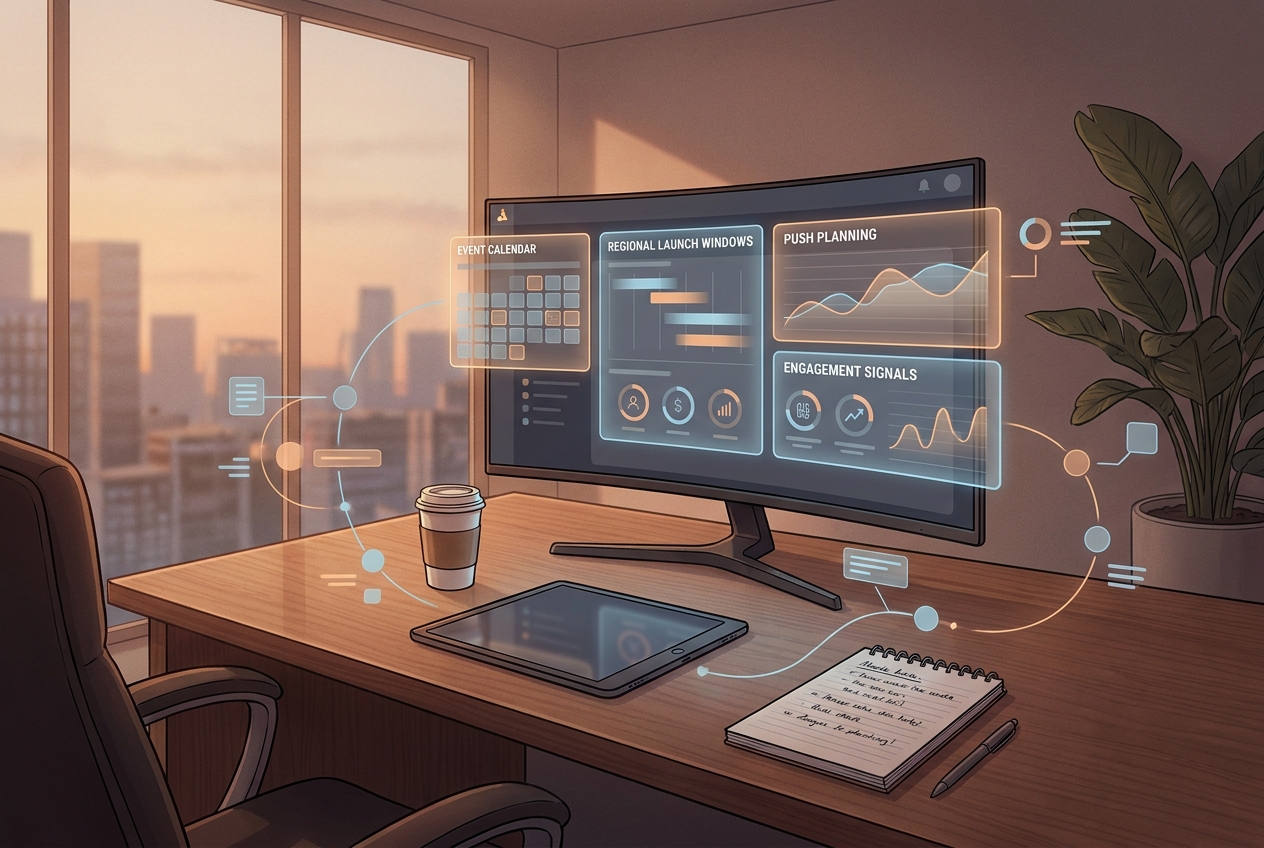
AI agents for push notifications help teams track event calendars, prep campaign timing, draft message options, and keep follow-up steps tied to the original launch moment. The workflow is bigger than writing copy. It is about keeping planning, scheduling, and retention logic connected.
Wiro exposes that through the Push Notification Manager and App Event Manager. That pairing makes sense because lifecycle work rarely stays inside one channel. App events, store promotions, and push campaigns usually move together.
Firebase already provides the delivery layer through Firebase Cloud Messaging. The missing piece for many teams is the planning layer above it. Someone still has to decide what matters, when each market should see it, and what should happen after the first send.
Where AI agents for push notifications help most
AI agents for push notifications are a strong fit for mobile teams that manage repeated campaign moments across markets, channels, or product surfaces. That includes gaming apps, subscription apps, regional consumer apps, and any team with store events plus retention messaging.
The practical wins usually look like this:
- regional launch timing gets cleaner
- event calendars stop living in scattered docs
- push prep starts earlier instead of at the last minute
- follow-up messages stay tied to the event that triggered them
- retention work becomes easier to repeat
AI agents for push notifications help most when several people touch the same campaign but nobody owns the whole chain. Product knows the date. Growth owns messaging. Marketing owns creative. An agent helps those steps stay in one operating rhythm.
Teams that also care about public store feedback can connect this workflow with App Review Support. Launch timing and user response often affect the same retention picture.
How the workflow runs
A healthy lifecycle flow starts when the team identifies a moment worth promoting. That could be a feature release, seasonal campaign, local holiday, store event, or content drop. From there, timing gets set by market, messages get prepared, the event goes live, and follow-up pushes support re-engagement.
That sounds straightforward, but it breaks easily when teams rely on scattered notes and manual reminders. One missed step can throw off the whole sequence. AI agents for push notifications keep the chain visible so launches, reminders, and post-event nudges still make sense together.
This is why the workflow belongs inside retention operations, not just copy production. The value is not one better sentence. The value is cleaner execution over time.

How to choose the right setup
Choose AI agents for push notifications when event planning feels manual, campaign timing changes by market, and retention depends on hitting real moments well. The fit is strongest when launches repeat often and the team needs a cleaner process, not just more message ideas.
Choose review response first if public feedback is the bigger pain. Choose both if retention messaging and public feedback shape the same mobile KPI.
The best setup should let operators adjust timing rules, regional windows, and follow-up logic without rebuilding every campaign from scratch. That flexibility matters because roadmaps, markets, and growth priorities change all the time.
FAQ
What is the difference between push notifications and app events?
Push notifications are outbound messages. App events are moments in the app or store that often need supporting messages around them.
Why use an agent here?
Because timing, market differences, and repeat execution create constant coordination work that manual teams struggle to keep clean.
Is this only for large apps?
No. Smaller apps benefit too when feature drops, regional events, or subscription pushes need better timing.
When is the fit strongest?
When lifecycle work crosses several teams and the main pain is planning and execution, not just copy creation.
Final CTA
See the full workflow here: App Event Manager.