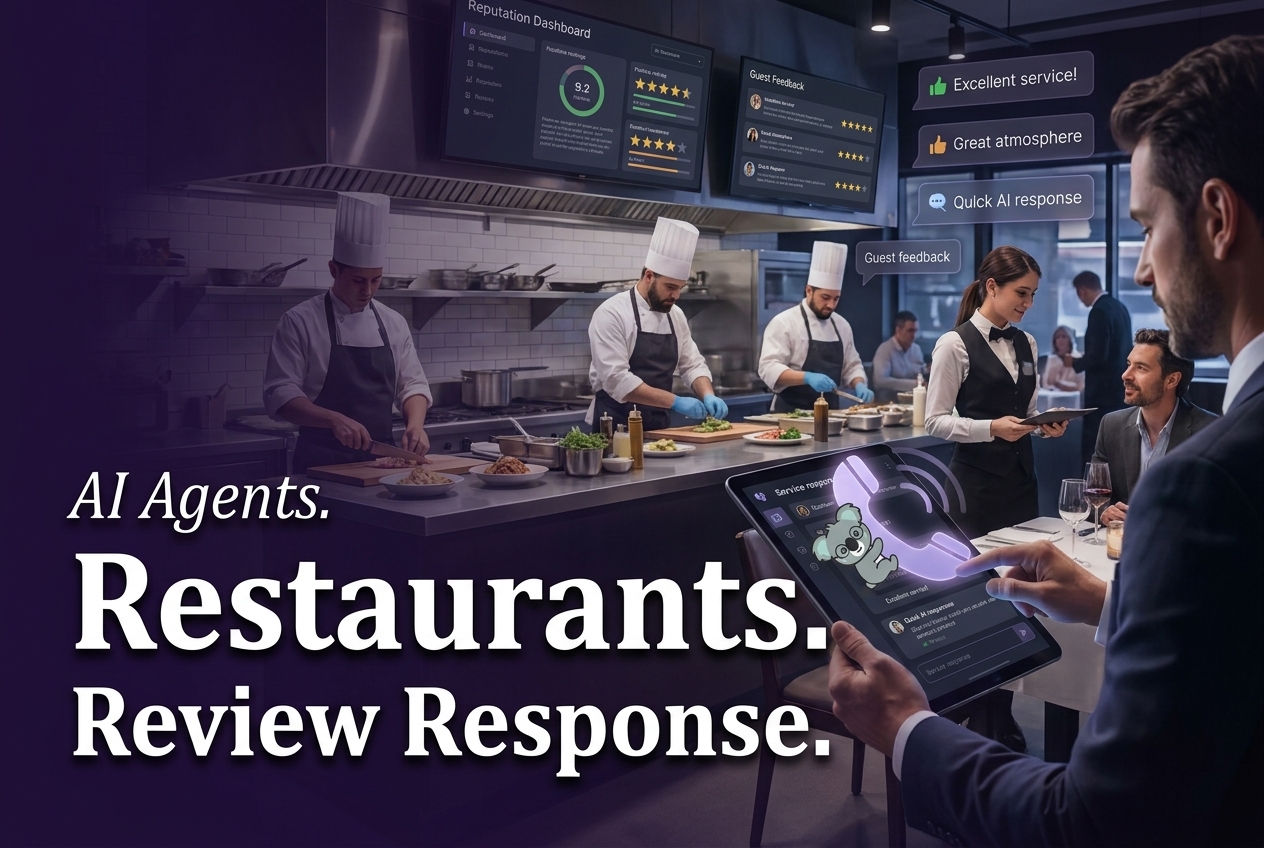
AI agents for restaurants help operators answer reviews faster, flag service issues earlier, and keep local visibility from slipping while the floor team stays focused on guests. That matters because review response is not just a marketing chore. It is part reputation management, part customer support, and part operations feedback.
Most restaurant teams do not ignore reviews on purpose. They run out of time. One bad review waits too long, a pattern gets missed, and the public page starts telling a worse story than the dining room. That is the gap this workflow fixes.
What AI agents for restaurants do
AI agents for restaurants watch incoming reviews, sort them by urgency, draft replies, and send clear alerts when a manager needs to step in. That sounds simple, but it solves a real bottleneck. Public feedback arrives every day, while managers are usually busy with staffing, service, and supplier issues.
Wiro’s restaurant review workflow fits that problem cleanly. A new review can move from detection to reply draft to escalation without getting buried in a dashboard. The workflow also keeps tone rules editable, which matters in hospitality. A neighborhood cafe, a fast casual chain, and a fine dining group should not all sound the same.
Google already gives businesses a direct way to reply to reviews through Google Business Profile review replies. The hard part is not the reply box itself. The hard part is staying consistent when review volume rises, languages vary, and service teams do not have hours to monitor every location.
Where AI agents for restaurants help most
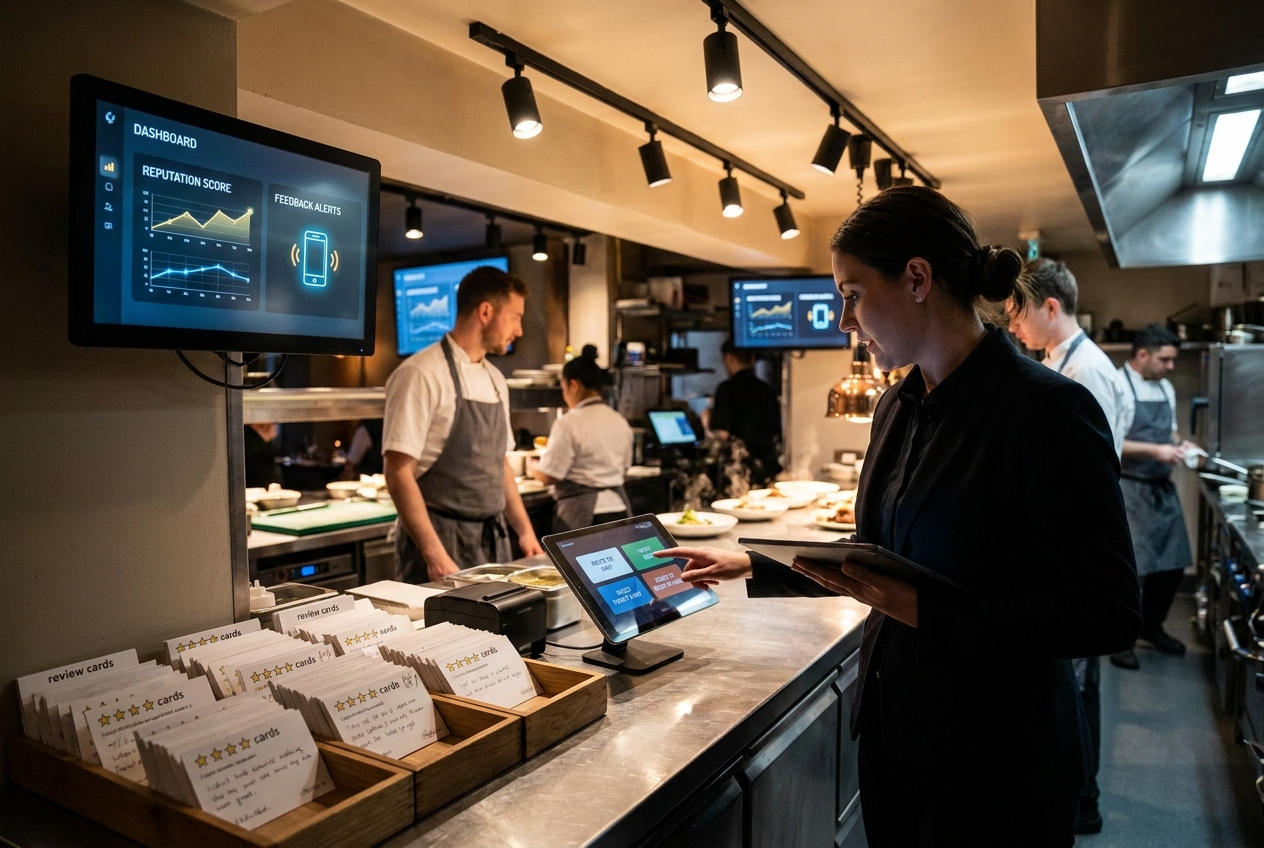
AI agents for restaurants make the biggest difference when reviews affect foot traffic, trust, and discovery. That includes single-location restaurants with busy owners, multi-location groups that need consistent response standards, and hospitality teams serving tourists or multilingual guests.
The practical gains are easy to spot:
- negative reviews get flagged before they sit for days
- reply drafts stay on brand instead of sounding random
- language handling gets easier for tourist-heavy locations
- service failures surface faster for the right manager
- review trends become usable signals instead of noise
This is why AI agents for restaurants are more useful than a basic auto-reply tool. A restaurant does not need the same answer for a late delivery complaint, a rude server complaint, and a happy five-star review. The workflow needs judgment, routing, and boundaries.
Restaurants with heavy call volume can also pair review handling with the Voice Receptionist. One workflow protects reputation in public. The other protects bookings and missed-call coverage.
How the workflow runs
A strong review workflow follows a simple path. A guest posts feedback. The system reads it. Urgency gets scored. A reply draft appears. Serious issues go to the right person. Patterns get logged so the team can fix the underlying problem.
That matters because review response sits between guest experience and operations. If several reviews mention slow tables, food temperature, or rude handoff at pickup, the public comment is only the first signal. The real value is spotting the pattern while there is still time to act.
AI agents for restaurants help keep that loop active without making review work feel like a second full-time job. They also help smaller teams stay visible every day instead of replying in rushed batches once a week.

How to choose the right setup
Choose AI agents for restaurants when review volume is steady, public response time matters, and nobody has time to watch every location all day. The fit is especially clear when Google reviews drive discovery or when one unresolved complaint can hurt future bookings.
Choose a voice workflow first if missed calls and booking overflow are the bigger pain. Choose both if calls and reviews create equal drag on the team.
The right setup should let operators change tone rules, escalation thresholds, and location coverage without rebuilding everything. That is where an agent workflow beats a rigid template. Restaurant operations change too often for fixed scripts to hold up for long.
FAQ
Why do restaurants need an AI agent for reviews?
Because review response affects reputation and local discovery, but most managers do not have time to monitor every new comment.
Can this handle multilingual reviews?
Yes. That is one of the clearest benefits for restaurants in tourist areas or mixed-language neighborhoods.
Does this mean every reply becomes generic?
No. The point is faster response with better triage and cleaner escalation, not canned one-line answers.
When is the fit strongest?
When reviews arrive every week, public response quality matters, and the team needs a faster way to catch real service problems.
Final CTA
See the full restaurant review workflow here: Restaurant Review workflow.