
Realtime speech to text is now one of the clearest model categories on Wiro. The platform has streaming transcription, lower-latency captioning, and broader multilingual ASR options that fit very different live products.
- What realtime speech to text needs
- Which Wiro models cover the category
- How to choose a realtime speech to text model
- Why this category deserves its own post
What realtime speech to text needs
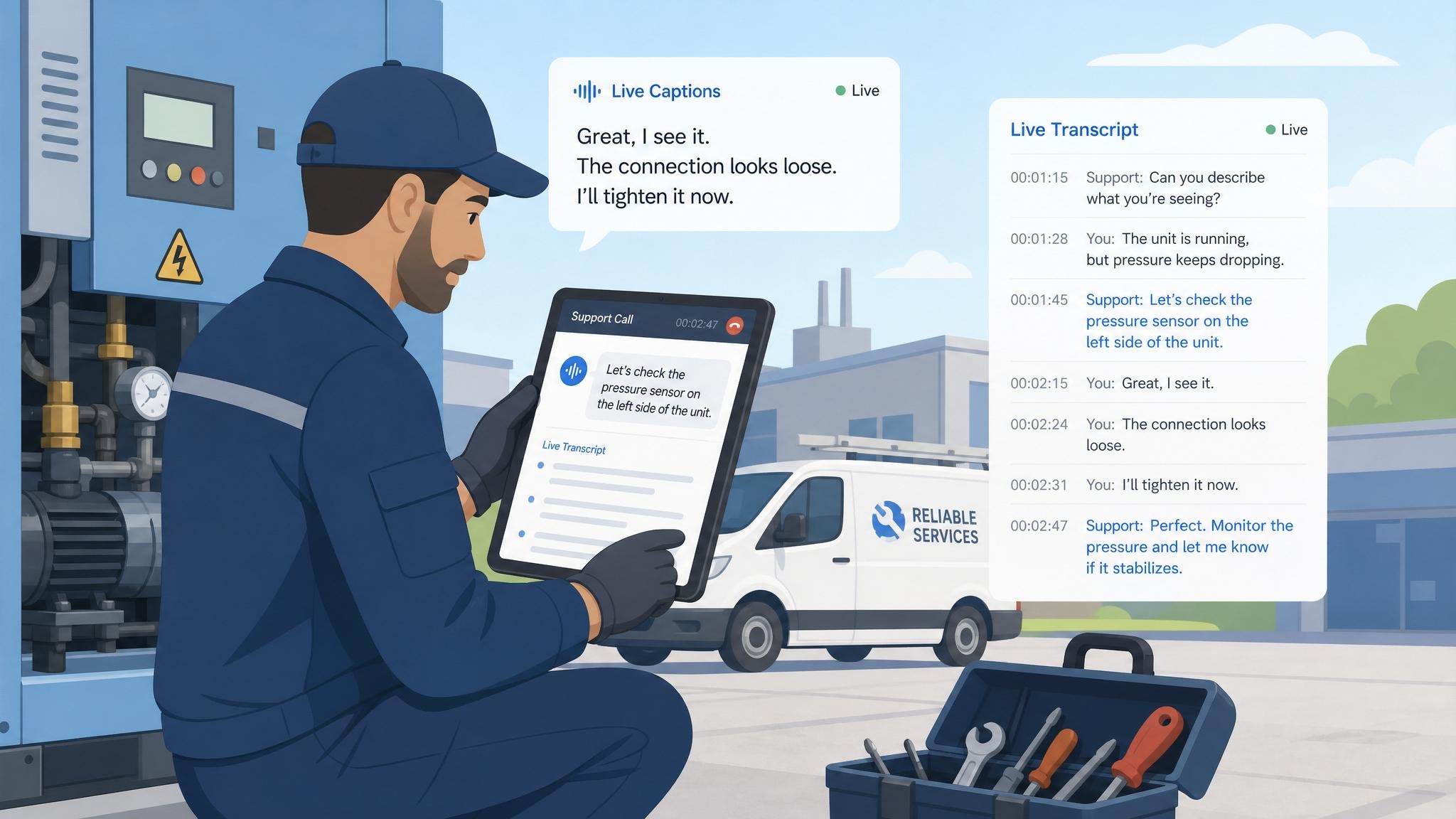
Realtime speech to text is not the same job as uploading a meeting file and waiting for a transcript. In Wiro’s docs, the app keeps a WebSocket open, sends microphone audio as PCM frames, and receives transcript text back as progressive task_output messages. That means the category is built for live captions, dictation, agent transcripts, and interfaces that need text while someone is still speaking.
That product shape changes how the category should be judged. Latency matters. Transcript cadence matters. Cleanup and session endings matter. A strong offline transcription model is not always the right live transcription model.
That is why this category is worth separating on the blog. It helps readers understand that realtime speech to text is about flow, not only accuracy.
Which Wiro models cover the category
Voxtral Mini Realtime is the clearest streaming model in this group. Its Wiro page describes a multilingual realtime speech-transcription model with sub-second delay and selectable transcription timing modes such as Fast, Balanced, and Accurate. That makes it easy to map to live captions and voice UI logging.
Qwen3-ASR-1.7B gives the category a different shape. Its Wiro description focuses on fast inference, lightweight deployment, broad language coverage, and audio-to-text conversion with selectable language settings. Even though the page is not framed as a websocket-first realtime model, it still matters inside the category because teams often want one speech stack that can cover live and near-live transcription jobs without jumping to a heavyweight pipeline.
The Qwen3-ASR open-source repository documents the family’s multilingual recognition, language detection, timestamp prediction, and streaming inference support.
Parakeet TDT 0.6B V3 adds another useful lane. Its Wiro page highlights multilingual transcription for 25 European languages, auto language detection, punctuation, capitalization, and optional timestamps. That makes it especially relevant when the product needs readable subtitle output or timestamp-friendly transcripts rather than the fastest possible live response.
The Parakeet TDT 0.6B V3 model card confirms its 25-language multilingual ASR coverage and automatic language detection.
Put together, these models make the category easier to explain. Voxtral Mini Realtime is the streaming-first choice. Qwen3-ASR looks like the flexible fast-ASR option. Parakeet is strong when punctuation, timestamps, and multilingual transcription matter more than live dialog feel.
How to choose a realtime speech to text model
The smartest way to compare realtime speech to text is to start from the output the product needs.
| Need | Best starting point | Reason |
|---|---|---|
| Live captions with low delay | Voxtral Mini Realtime | Built around realtime progressive transcription and delay tuning |
| Fast general ASR across many languages | Qwen3-ASR-1.7B | Lightweight speech-to-text profile with broad language options |
| Readable transcripts with timestamps | Parakeet TDT 0.6B V3 | Punctuation, capitalization, and optional timestamps are already exposed |
That framework does two useful things. First, it stops the post from turning into a fake single winner story. Second, it makes the article more helpful to developers. Different teams want different outputs. A call-center transcript tool is not the same thing as a subtitle pipeline. A live dictation widget is not the same thing as a multilingual archive workflow.
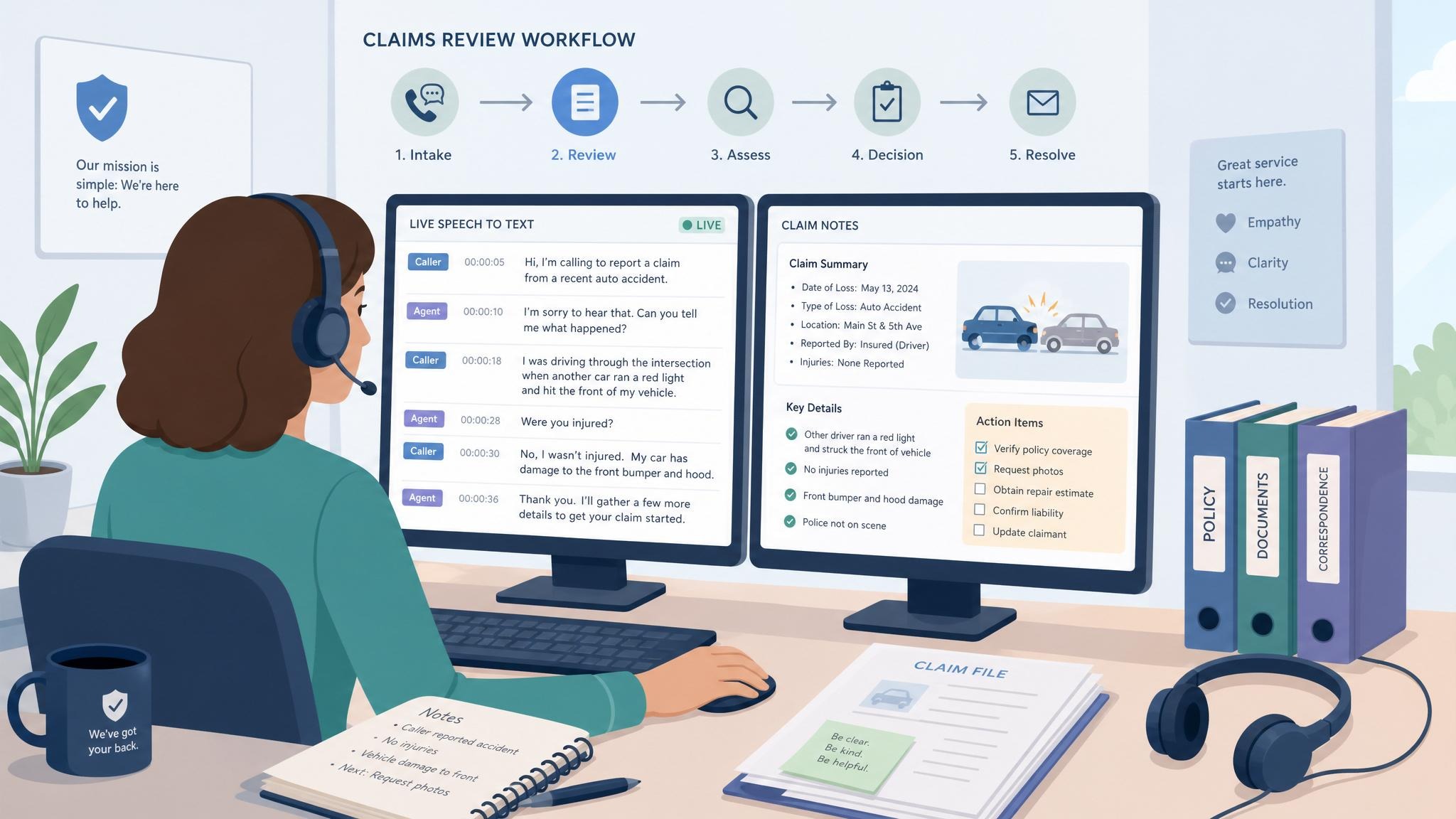
This is also one of the clearest examples of why Wiro’s catalog is getting stronger. The platform is not offering one generic speech-to-text answer. It is offering multiple ASR paths with distinct strengths.
Why this category deserves its own post
Realtime speech to text deserves its own post because it is easy to undersell. Many readers still think speech-to-text is a solved commodity. On Wiro, that is no longer true. The model pages already show meaningful differences in latency design, language support, timestamps, and intended use.
That makes this a good category article instead of another narrow model review. The blog can explain the shape of the market, show where Wiro already has depth, and help readers match a model family to a real product need.
It also keeps distance from the existing realtime posts. PersonaPlex focused on live speech-to-speech. VibeVoice focused on realtime TTS tests. A realtime speech to text category post fills a gap instead of repeating an old angle.
For teams building captions, live note-taking, or transcript-aware agents, the message is simple. Realtime speech to text is already a serious category on Wiro, and the model mix is broad enough to compare on product fit rather than hype.
For adjacent implementation and comparison angles, see PersonaPlex Realtime: Real-time Speech-to-Speech for Live Voice Agents, Qwen3-ASR-1.7B: Speech-to-Text in 6 Audio Tests, and Nemotron vs Whisper Large V3: 5 Audio Transcription Tests.
See the Wiro realtime speech to text docs, the Voxtral Mini Realtime page, the Qwen3-ASR page, and the Parakeet page for the current model details.