AI agent audit trails should let a team answer one question without reconstructing a story from several dashboards: what happened in this run? This test checked whether a run record contains enough connected evidence to explain an automated action after the fact. It did not benchmark, invoke, or compare a model. The two inline visuals below are existing hosted blog outputs used to show the record structures under review, so there is no model prompt, generation parameter, Wiro runtime, or Wiro cost to report for either visual.
The test used seven operational questions. Could an operator identify one run? Could they see its trigger and safe input reference? Could they tell which decision path ran, which tools acted, whether a person approved it, how retries behaved, and what finally changed? A trail that answers only some of those questions may still help debugging, but it cannot reliably support a review of a consequential action.
What the AI agent audit trails test checked
The test was a reconstruction exercise, not a throughput test. Start with an incident that an operations team might need to explain: an agent updates a customer record, drafts a reply, or sends an approved follow-up. Then start from the final side effect and ask whether the retained events can lead back to the initiating request and forward through every meaningful action.
That requires correlation. A stable run ID must appear on the trigger, decision, tool events, approval, retry record, and terminal result. A readable timeline is useful, but the timeline must point to durable facts: an event time, object identifier, tool response, policy version, or reviewer decision. The OpenTelemetry observability primer describes the core value of connected telemetry: it lets operators ask questions about a system from its observable behavior rather than guess from one isolated log line.
The test also separates evidence from narration. A short summary can say that a customer record was updated after approval. The underlying records should show the run ID, the reviewed version, the update target, the response identifier, and the terminal state. If the summary disagrees with those records, the records win. This matters for normal quality reviews as much as incident response.
7 things AI agent audit trails need to log
1. Run identity
Give each execution one stable ID. Include it in every event emitted by that execution, including events produced after a retry or handoff. A descriptive job name helps people scan a list, but it is not a substitute for a stable identifier. Names change, and two scheduled jobs can share a name.
2. Trigger and input boundary
Record what started the run: a user request, schedule, webhook, queue item, or operator action. Store the arrival time and a safe reference to the input. A reference might be a message ID, a queue ID, or a redacted hash. It should let an authorized reviewer locate the source without duplicating private text, credentials, or customer data into a broad log stream.
3. Decision record
Capture the branch selected and why it was selected. That can be a policy name and version, an evaluation result, a routing rule, or an approval requirement. A useful event says that the workflow held a message for review because a rule marked it customer-facing. A weak event says only that the workflow took branch B.
4. Tool activity
Log meaningful reads, writes, sends, and external requests in sequence. For each event, retain the target system, action type, start and finish time, status, and correlation ID when the target provides one. For a write, retain the object reference or returned identifier. Storing full payloads by default creates an avoidable privacy problem and rarely improves a later review.
5. Approval events
Approval belongs in the same trail as the action it released. Record who approved, rejected, or edited the action; when that happened; and which version they saw. If no approval was required, record the rule that allowed the action to continue. This makes a later question answerable: was this automatic by policy, or was it reviewed by a person?
6. Retries and exceptions
A retry can explain a duplicate write, a late delivery, or a partial result. Retain the failed attempt, error class, retry number, wait period, and idempotency key when one exists. The event should make it clear whether the next attempt reused the same operation identity. A final failure must also identify the blocking condition, not just show a generic failed label.
7. Final outcome and handoff
End the run with a terminal state: succeeded, partially succeeded, awaiting approval, escalated, cancelled, or failed. Include resulting object references and remaining work. A run that creates a message draft but fails to update a CRM is partially successful, not simply successful. The terminal event is the anchor for dashboards, but it needs the preceding records to be credible.
What the two visual outputs actually show
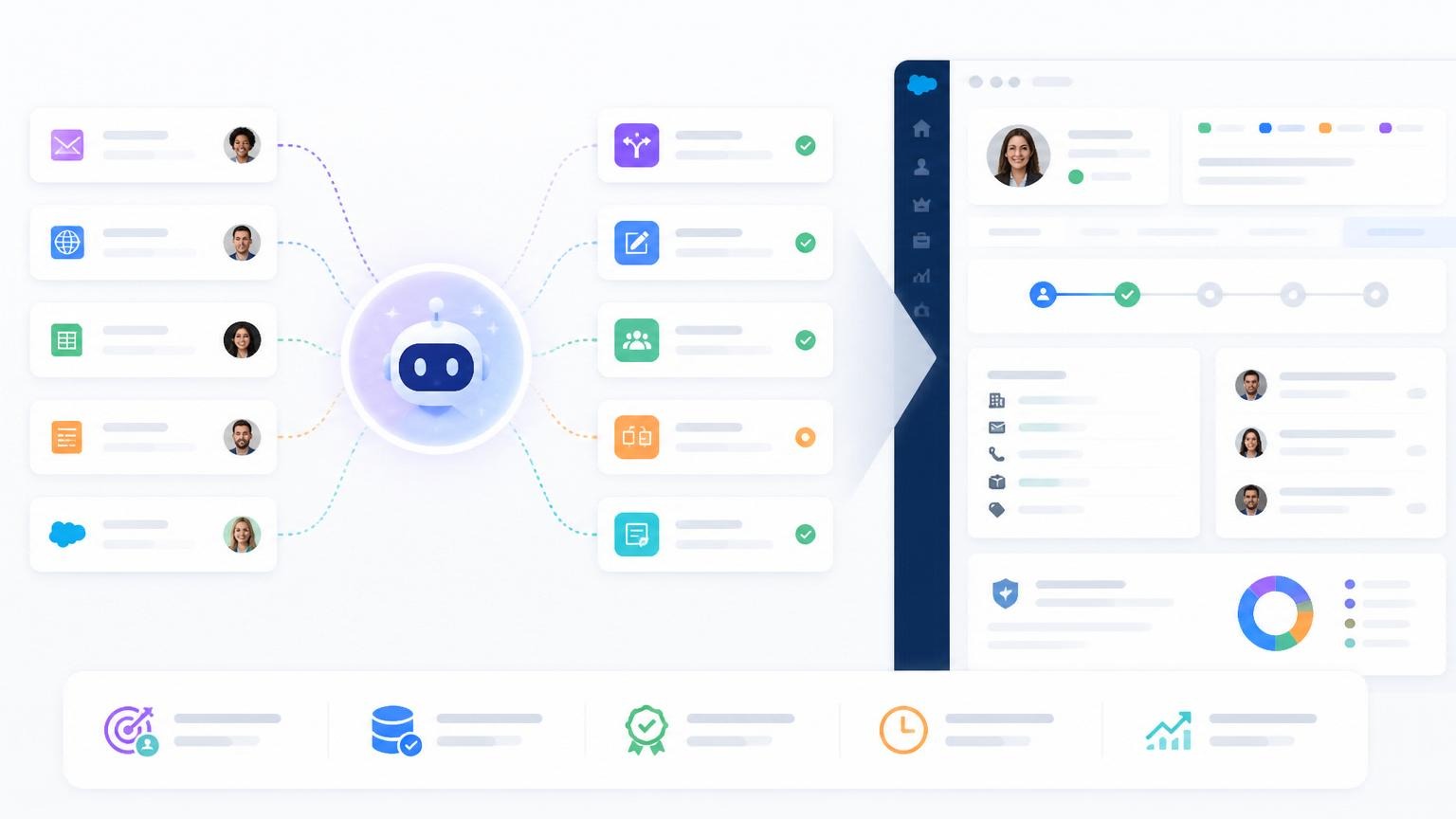
The first output illustrates the right starting point for an operator: one run, then linked evidence around it. Run identity sits at the center. The trigger explains why the run exists. Decision and approval events explain why it continued. Tool events describe its observable actions. This is more useful than a chronological wall of mixed application logs because a reviewer can isolate the operation before inspecting details.
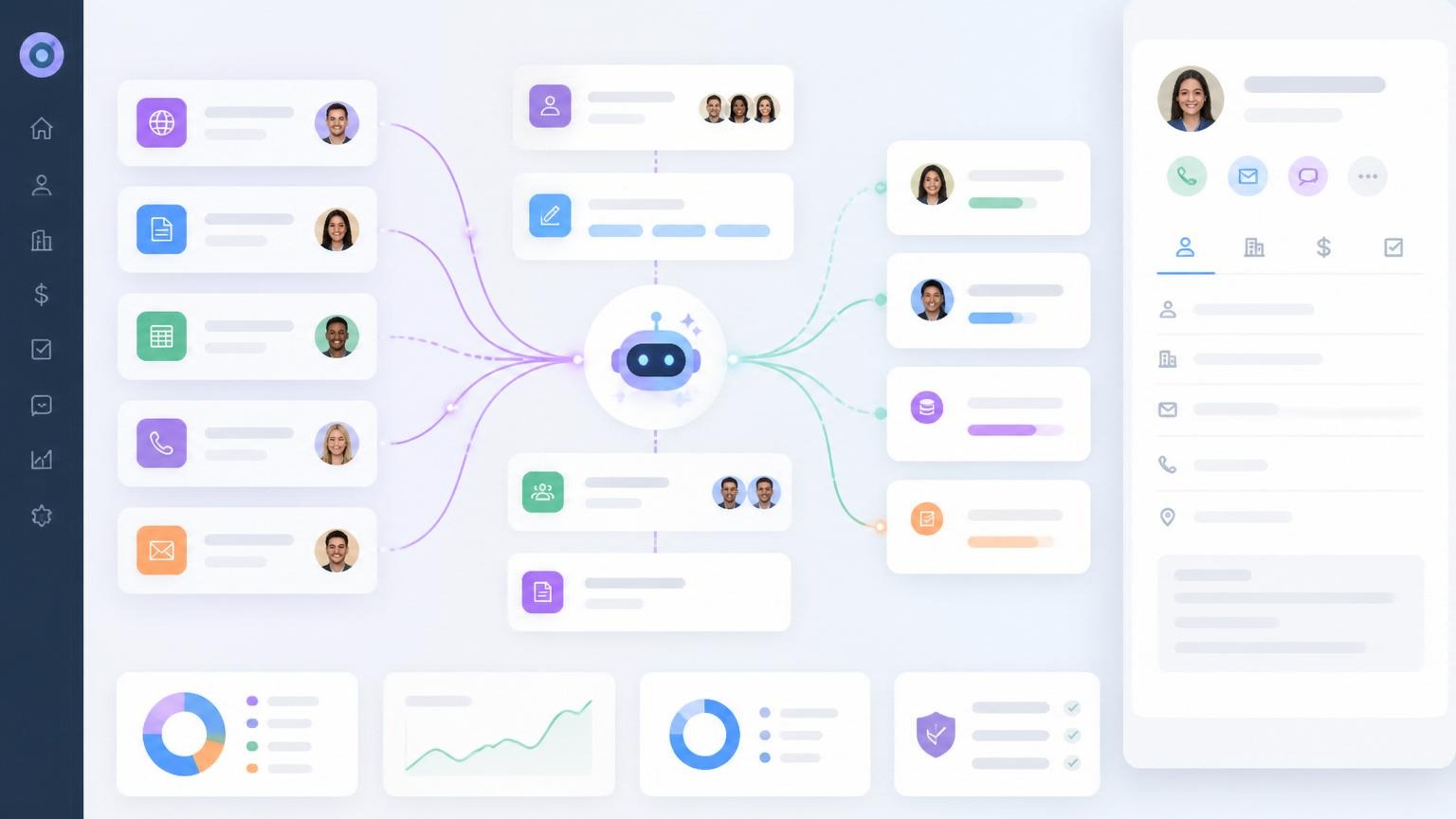
The second output focuses on continuity. An approval record without the action it authorized is incomplete. A retry record without the original failure can hide a duplicate. A success status without object references cannot prove what changed. The useful output is the chain across those moments. These visuals are diagrams of audit evidence, not generated model samples, so no inference about a model, parameter set, runtime, or cost should be made from them.
Test parameters, runtime, and cost
The test parameters were operational and fixed: one run identity; one trigger source; a safe input reference; a decision record for each meaningful branch; ordered tool activity; explicit approval state; retry history; and one terminal outcome. The test asked whether a reviewer could reconstruct the run using those fields. It did not call a Wiro model, set image or video parameters, or produce a billable model output.
For that reason, runtime per output and cost per output are not applicable here. Reporting a made-up duration or price would turn an audit article into the kind of unreliable record it argues against. The only outputs retained in the body are the two hosted audit diagrams above. Their role is explanatory: the first shows connected review questions; the second shows that approvals, failures, retries, and outcome need one traceable sequence.
A team can add measurable checks to this test without inventing metrics. Sample completed and failed runs. Ask whether each sampled run resolves to an initiating event, a policy or approval state, a sequence of meaningful tool actions, and a terminal status with object references. Track the share that pass reconstruction, the share of writes with resolvable identifiers, and the share of approvals tied to an exact reviewed version. The OpenAI evals guide is a useful reference for defining checks rather than assuming a system behaves as intended.
When to pick which audit depth
Choose a lightweight trail for low-risk internal work such as scheduled monitoring or non-sensitive summaries. At minimum, keep the run ID, trigger, major tool actions, and final outcome. This is usually enough to answer whether the run happened and where it ended without retaining more data than the task warrants.
Choose a full trail for customer-facing messages, CRM updates, financial actions, permission changes, or workflows that affect reputation. Those runs need decision evidence, policy versions, approval state, retry behavior, and durable references to affected objects. If a human can ask who authorized an action or why it was automatic, the system should have a direct record.
Do not respond by logging everything. Full prompts, source documents, access tokens, and unnecessary personal data can make the audit store a new security risk. Use structured references, redaction, retention limits, and access controls that match the systems the agent touched. The NIST AI Risk Management Framework provides a useful governance reference for treating traceability as part of day-to-day risk management rather than paperwork saved for an audit.
For related operating patterns, see AI Agent Retry Logic: 6 Rules for Jobs That Fail Mid-Workflow, AI Agents for CRM Updates: 7 Smart Ways to Keep Pipeline Data Clean, and AI Agent Analytics: 7 Metrics Teams Should Track Before Scaling. Audit records turn these workflows from opaque automation into work a team can inspect, correct, and improve.
AI agent audit trails earn trust when they support a precise answer: what did this run do, why did it do it, and where is the evidence? Design the record around that answer. Then keep it readable enough to help on an ordinary workday, not only during an incident.