AI agents for internal knowledge search are useful because most business knowledge is trapped in the wrong format. The answer exists somewhere in a playbook, SOP, meeting note, onboarding doc, or help article, but nobody remembers which one. A good agent turns that pile into something a team can actually use during work.
This is different from a generic chatbot with memory. Internal knowledge search is not about sounding clever. It is about pulling the right process, the right policy, and the right next step at the moment the operator needs it.
- Why AI agents for internal knowledge search work
- 6 smart uses
- How Wiro can shape this workflow
- What makes knowledge search fail
Why AI agents for internal knowledge search work
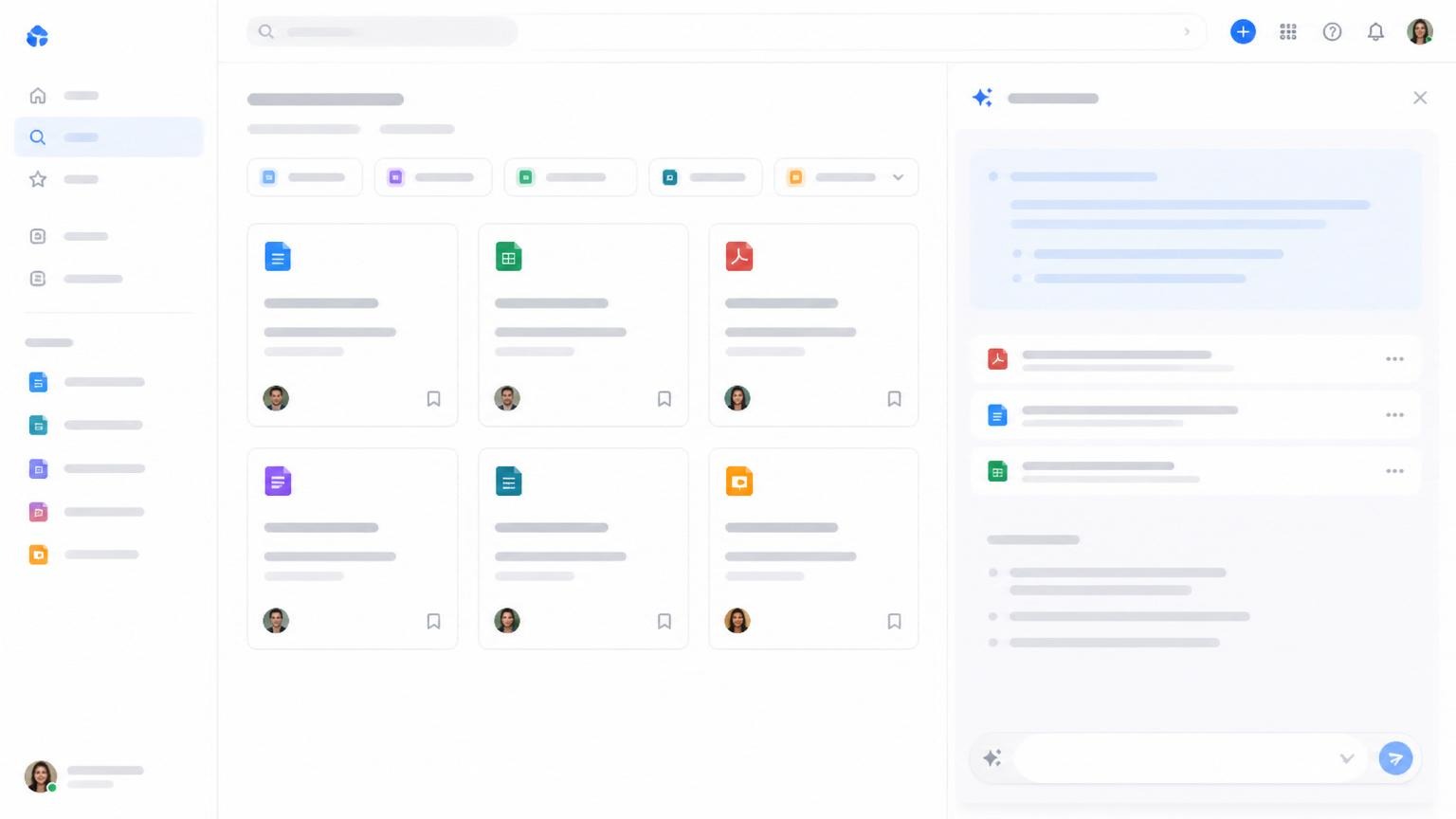
Most teams do not need another place to store documents. They need a faster way to find the right step inside documents they already have. That is where an agent helps. It can classify the question, search the right source, return the answer in plain language, and then hand off the supporting detail when someone wants to verify it.
The workflow is usually stronger when it stays narrow. Search SOPs for ops questions. Search onboarding docs for team setup questions. Search pricing and packaging docs for sales enablement. That kind of boundary keeps the result useful. OpenAI frames a similar idea in its agents guide: the workflow around the model shapes how helpful the answer becomes.
6 smart uses for internal knowledge search
1. SOP lookup during live work. An operator asks for the next step in a refund or escalation flow and gets a short answer with source context.
2. Onboarding support. New team members can ask how a process works without waiting for a senior teammate to reply.
3. Sales enablement. The agent can pull the latest approved positioning, qualification rules, and objection handling notes.
4. Support consistency. The workflow can surface the right policy before an agent drafts a reply or routes a case.
5. Internal checklists. Repetitive operational work becomes easier when the agent assembles the steps in order.
6. Cross-team translation. Product, ops, and support often describe the same process differently. The agent can normalize that language.
How Wiro can shape this workflow
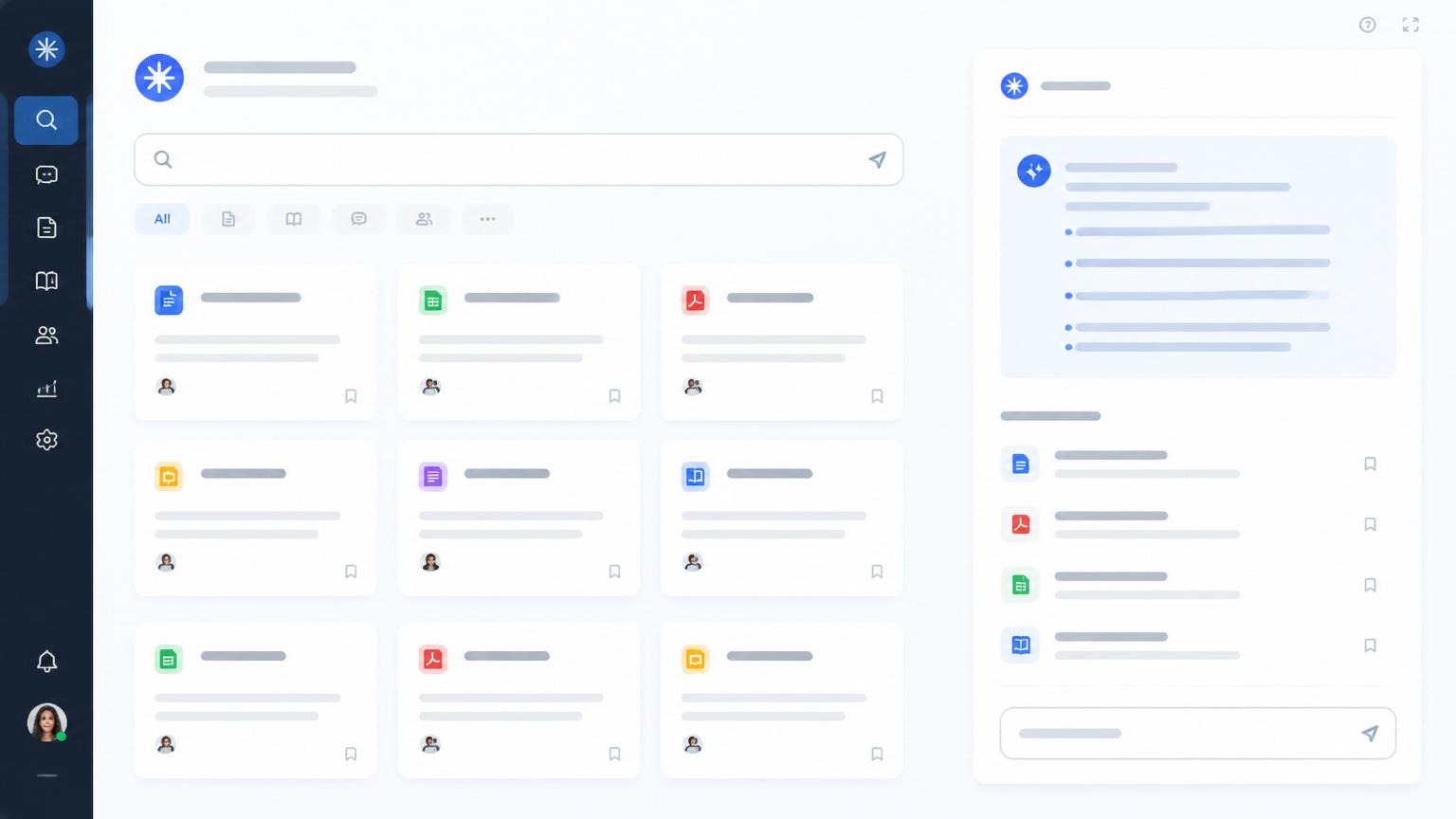
Wiro fits this pattern because the platform already centers skills, context, and workflow boundaries. The learn page makes the knowledge layer explicit. The anatomy page adds the other pieces that matter here: memory, self-review, and reasoning. That is useful because internal knowledge search is not just retrieval. It is retrieval plus judgment about what to surface first.
There is also a practical business angle. A knowledge-search agent can sit upstream of other Wiro workflows. It can support the receptionist agent, the CRM agent, the review-response agent, or the follow-up agent by giving those workflows better context before they act. That is more useful than treating knowledge search like an isolated chatbot.
If you want a reference point, compare this with AI agents with memory. Memory helps the workflow remember prior interaction state. Knowledge search helps it pull the right process and policy at the right time. Those are related, but they are not the same thing.
What makes knowledge search fail
The usual failure is feeding the agent everything and hoping it sorts the mess out. If the docs are stale, contradictory, or full of near-duplicates, the workflow will surface conflicting answers. Another common mistake is returning only the answer without the source context. That feels fast, but it makes verification harder for the team.
AI agents for internal knowledge search are strongest when the scope is clear, the sources are current, and the workflow knows when to answer directly and when to point the operator to the underlying playbook. That is where the agent stops being a novelty and starts becoming part of daily operations.