
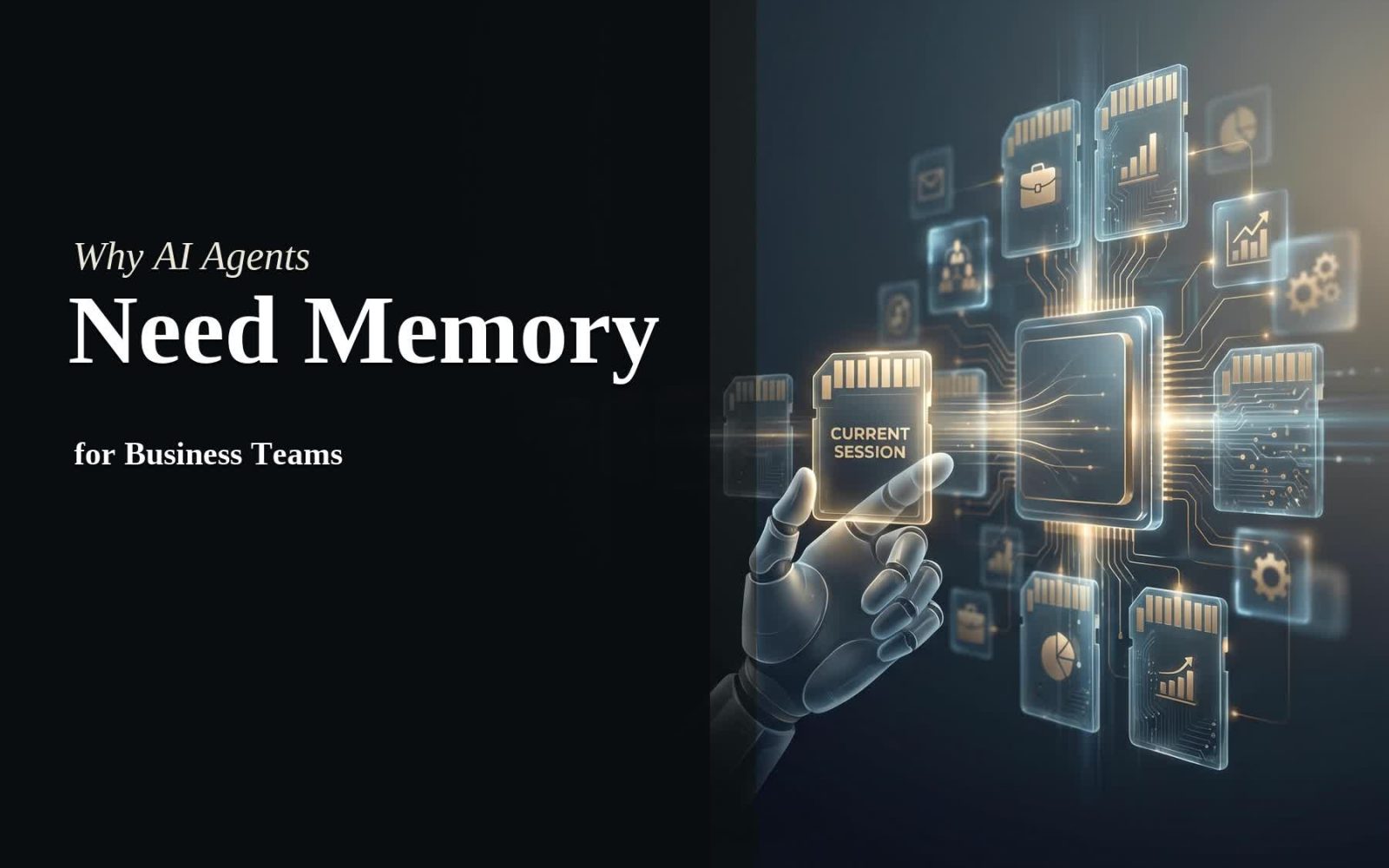
AI agents with memory help business teams avoid one of the most common failures in automation: starting from zero every time. A workflow that forgets past actions cannot follow up cleanly, cannot spot repeated issues, and cannot build momentum across days or weeks. That is why AI agents with memory matter long before a team asks about bigger models or more integrations.
Memory is not the same as a long chat log. Good memory keeps the right state, drops noise, and brings useful context back into the next step. That difference matters in lead follow-up, support queues, review recovery, and scheduled checks that run without a person hovering over them.
Why AI agents with memory matter
Without memory, an agent can still answer a question. It just cannot manage a process. Business work rarely ends in one turn. A lead replies two days later. A customer changes the issue after the first support message. A weekly check needs to know what happened in the last run. If the system cannot recall that context, the team has to rebuild it by hand.
This is also why memory changes the economics of AI agents. The team spends less time repeating setup, checking old threads, and correcting broken follow-up. The workflow gets sharper with each run instead of resetting.

Where memory changes business workflows
Some workflows barely need memory. A simple FAQ answer is fine without it. The picture changes once the workflow compounds. Sales teams need contact history. Support teams need issue summaries. Lifecycle teams need past campaign behavior. Ops teams need recurring checks with recap instead of fresh setup.
- Lead follow-up after the first reply
- Support escalation with prior issue context
- Review recovery that tracks repeat complaints
- Winback work that remembers who already engaged
- Scheduled reporting that compares this run with the last one
These are not edge cases. They are the middle of real business work. A system that forgets them creates more manual work than it removes.
What teams should store
Not every detail deserves to live forever. Useful memory is selective. Teams usually need a small set of durable facts: customer status, last action, unresolved issue, next step, and a short recap of what changed. Storing everything creates clutter. Storing the right facts makes the agent faster and easier to trust.
This is also where guardrails matter. Memory should not become a hidden mess of stale notes. Teams need clear rules for what gets saved, what expires, and what triggers a human review. The NIST AI Risk Management Framework is useful here because it pushes teams toward monitoring and governance, not only model quality.
Wiro leans into that operating model. The platform frames memory beside recap, scheduling, and controlled skills, so continuity is part of the system design instead of a random add-on.
How Wiro handles continuity
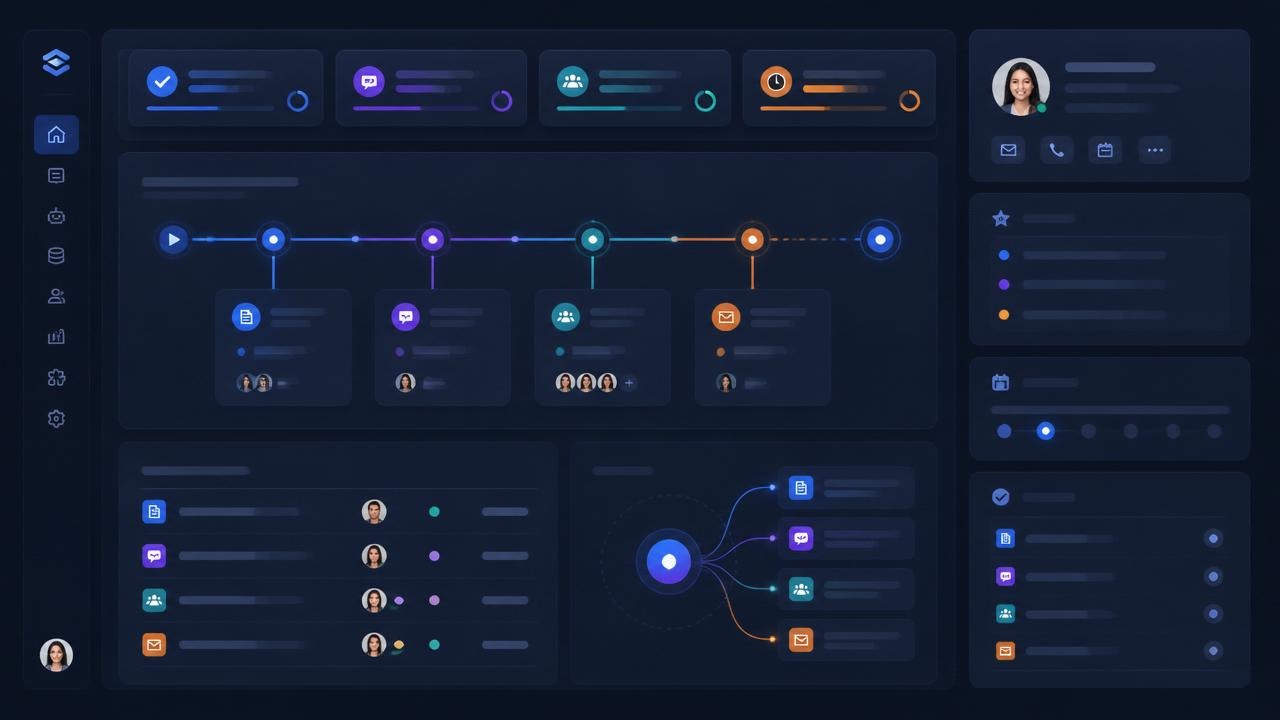
The strongest argument for memory is not that an agent can remember more. It is that the agent can do the next step with less friction. On Wiro, that usually means combining memory with recap, skills, and scheduled work. A weekly job can compare new results with last week. A customer workflow can store the last outcome before the next touchpoint. An operator can inspect the logic instead of guessing what the system remembered.
That approach also fits the Wiro product pages well. Agent Anatomy explains memory as part of a wider operating loop, while Learn and Agents show how teams turn that into production work.
Where memory can go wrong
Memory hurts when it stores too much, keeps bad assumptions, or never expires old state. Teams should watch for duplicate notes, stale statuses, and workflows that keep dragging irrelevant context into the next run. That is why small, deliberate memory design beats a giant history every time.
If the workflow ends after one answer, memory is optional. If the workflow compounds, memory becomes core infrastructure.
Bottom line
AI agents with memory are easier to trust because they can keep context, hold state, and move work forward without constant re-briefing. For business teams, that is not a nice extra. It is what makes the workflow usable. Teams that want continuity should start with platforms that treat memory as part of the operating model, not as a thin chat feature.
See how Wiro connects memory, recap, and scheduled work in Agent Anatomy and review the governance lens from NIST AI RMF.