Human handoff in AI agents is where a workflow proves it respects business reality. The agent does not need a person for every step. It does need a clean handoff rule for the few moments where confidence drops, risk rises, or context gets messy.
That sounds simple, but many teams still treat handoff like a fallback error message. A better setup treats it like part of the workflow design. The agent knows what it can finish alone, what it can draft for review, and when a human should step in before anything changes a customer record, sends a message, or approves money.
- Why human handoff in AI agents matters
- 6 approval rules for handoff
- How Wiro handles human handoff
- What breaks most handoff flows
Why human handoff in AI agents matters
Every business workflow has a few sensitive moments. A support complaint may mention a refund. A voice receptionist may hear a legal threat. A lead follow-up may require pricing the agent should not promise on its own. In those moments, the right move is not a clever guess. The right move is a handoff with context.
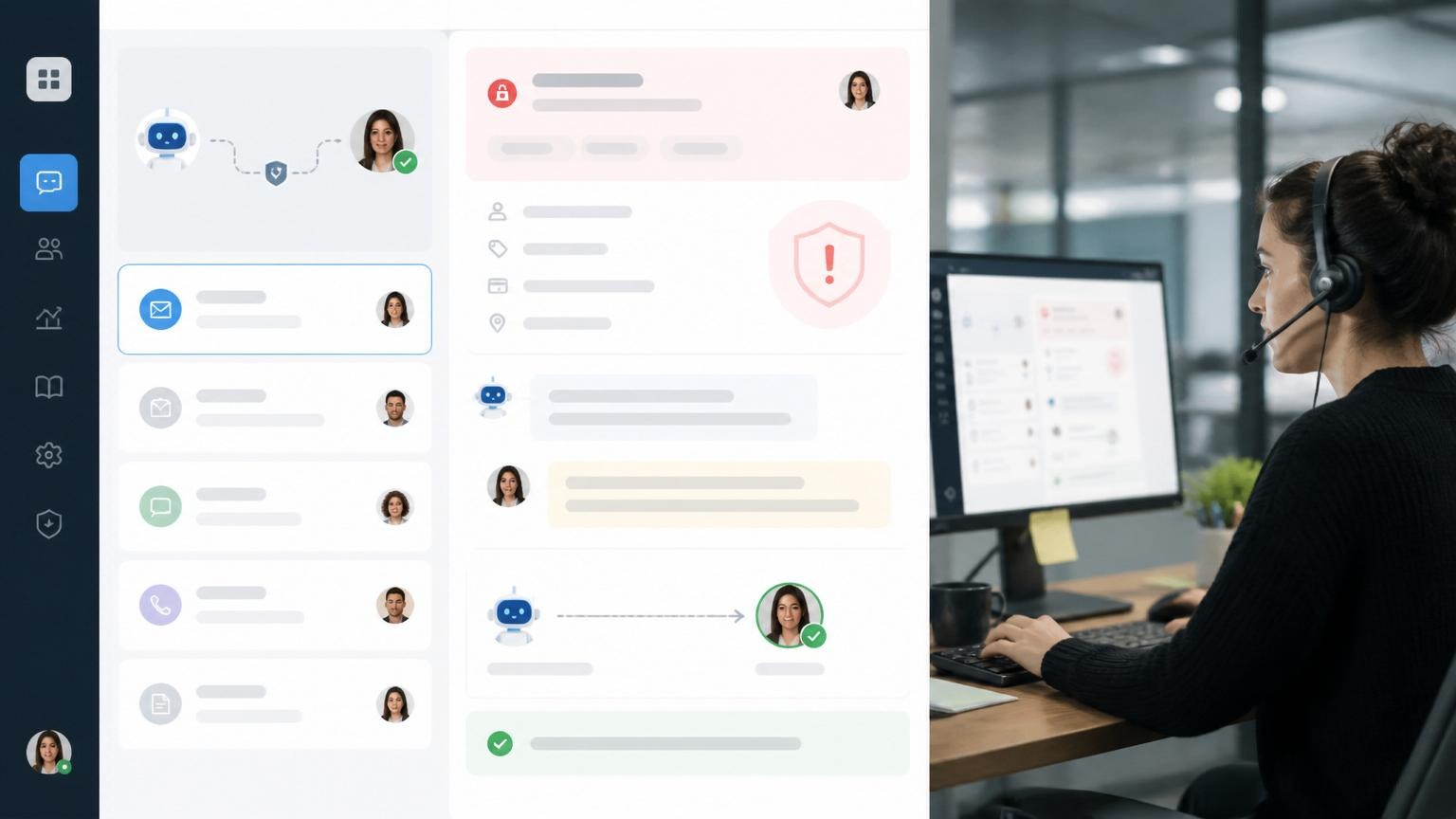
That context matters. The human should not receive a blank ticket that says “please review.” They should get the customer message, the summary, the reason the agent paused, and the draft action it was about to take. That is what turns handoff from friction into leverage. OpenAI frames this as part of agent design too: tools, state, and escalation logic all shape the final reliability of the system. Its agents guide covers that broader system view.
6 approval rules for handoff
1. Handoff on money. Refunds, credits, ad spend changes, and contract actions should go to a human unless the workflow has a narrow pre-approved rule.
2. Handoff on ambiguity. If the agent cannot tell whether the user intent is support, sales, complaint, or abuse, it should stop and route the case.
3. Handoff on sensitive language. Legal threats, medical issues, abusive messages, and account recovery requests should not be handled the same way as a normal support ask.
4. Handoff when external systems disagree. If the CRM says one thing and the form says another, the workflow should pause instead of picking a winner silently.
5. Handoff after bounded retries. If a tool call fails repeatedly, the handoff should include the error pattern and the last safe state.
6. Handoff with a draft, not a shrug. The best agent does the prep work first. It summarizes the issue, proposes the next step, and then asks the human to approve or edit.
How Wiro handles human handoff
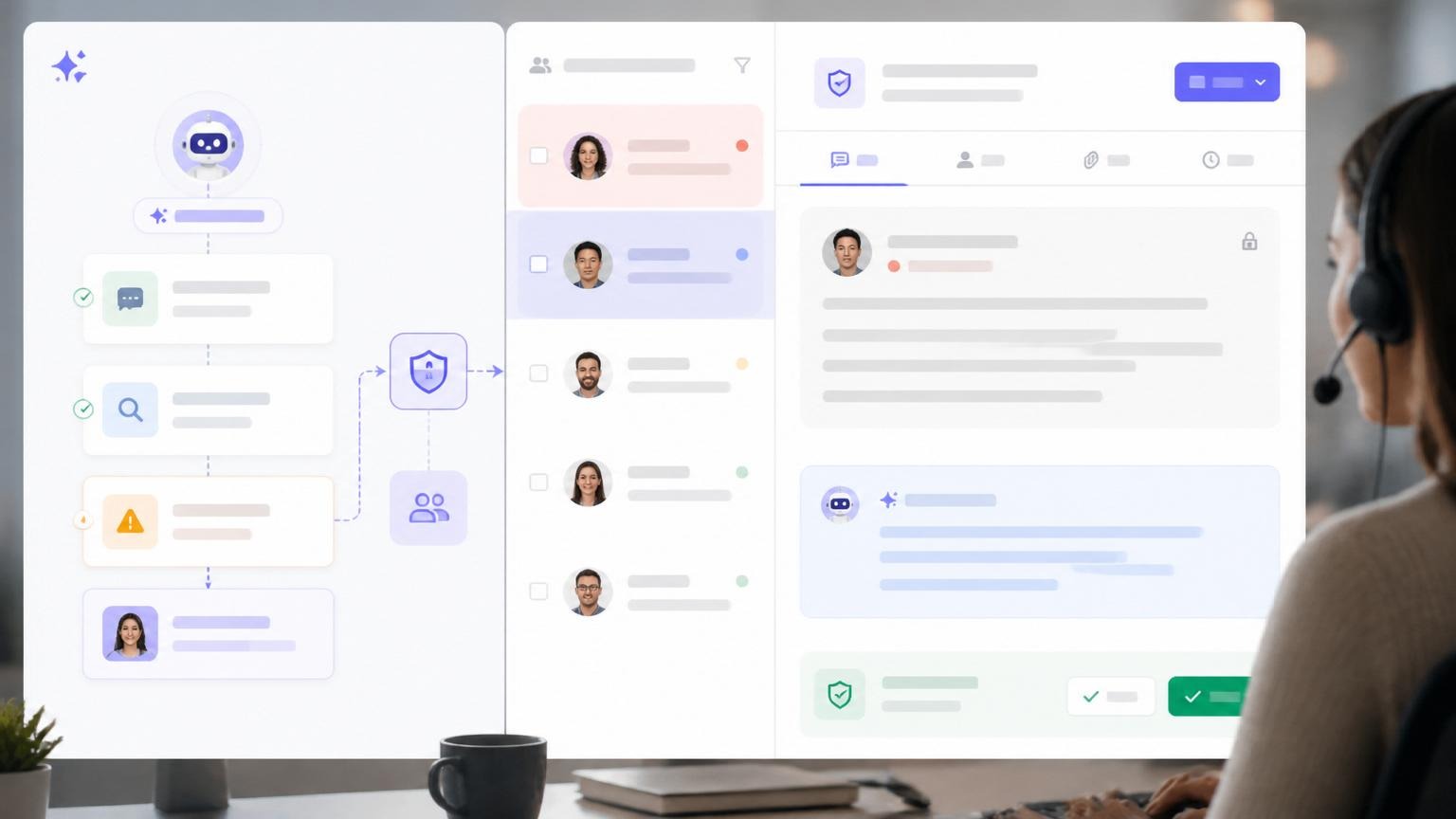
Wiro is a good fit for this topic because the platform already treats approval as a first-class workflow choice. The agent can do read-only work without interruption, then switch to a draft-and-approve path when the action becomes risky. That maps well to real operations. Teams do not want approval on every low-value step. They want approval exactly where it matters.
The Wiro restaurant review story shows this well. The agent drafts, the operator approves in chat, and the workflow keeps its context. The learn page and build page also make the case that skills, behavior, and rules belong together. Handoff is not an afterthought. It is part of how the agent is defined.
Microsoft makes a related point in its design guidance for production AI systems. Clear boundaries and escalation paths are part of the architecture, not just an ops habit.
What breaks most handoff flows
The usual failure is adding a handoff switch but not designing the operator experience. If the human receives too little context, they redo the work from scratch. If they receive too much raw output, they waste time digging. The handoff should be brief, structured, and obvious.
Human handoff in AI agents works best when the system stays calm under uncertainty. The agent does the routine work. The human handles the edge case. The workflow keeps moving. That is much better than pretending the model should improvise its way through every exception. If you want a clean companion read, start with AI voice receptionist for local businesses and then compare it with AI agents for restaurants.