Seedream 4.5 vs Seedream V5 Lite: the 6-prompt test
This Seedream 4.5 vs Seedream V5 Lite test uses the same six 2K, square, one-image prompts to look at a practical question: which model is the better fit for clean text, product work, dense scenes, simple diagrams, portraits, and difficult transparent materials? These are not benchmark scores. They are the actual outputs shown below, so the useful comparison is what survived in each image and what still needs a designer’s pass.
Test setup and parameters
Both runs used text-to-image, resolution 2k, aspect ratio 1:1, maxImages: 1, and watermark: false. That matters because the two model pages expose different resolution ranges: Seedream 4.5 supports 2K and 4K, while Seedream V5 Lite supports auto, 2K, and 3K. Keeping this test at 2K removes size as a variable. At 1:1, the documented output sizes are 1920 x 1920 for Seedream 4.5 and 2048 x 2048 for V5 Lite, so the files are close but not pixel-identical.
The prompts deliberately mix layout, photography, people, and structure. A model can make a striking single subject yet still struggle when asked to spell a phrase, separate many faces, or draw believable refraction. For context on the maker behind these models, see ByteDance Seed.
What the six output pairs show
1. Typography poster: both render the requested words, but V5 Lite gives the layout more breathing room
Prompt: Minimalist poster on white background, big text WIRO, smaller text API MARKETPLACE, Swiss grid layout, clean typography, print texture.
| Seedream 4.5 | Seedream V5 Lite |
|---|---|
 |
 |
Both outputs spell WIRO and API MARKETPLACE correctly. Seedream 4.5 fills the canvas with a huge wordmark and a visible grid; it looks more like a cropped poster detail. V5 Lite centers a smaller wordmark with more white space and a more conventional poster composition. Neither result proves production-ready type control: a brand team should still set final copy in a design tool. But both are useful for art direction, and the result shows that large, short text is much safer than dense copy.
2. Product close-up: both handle water and steel, with different framing
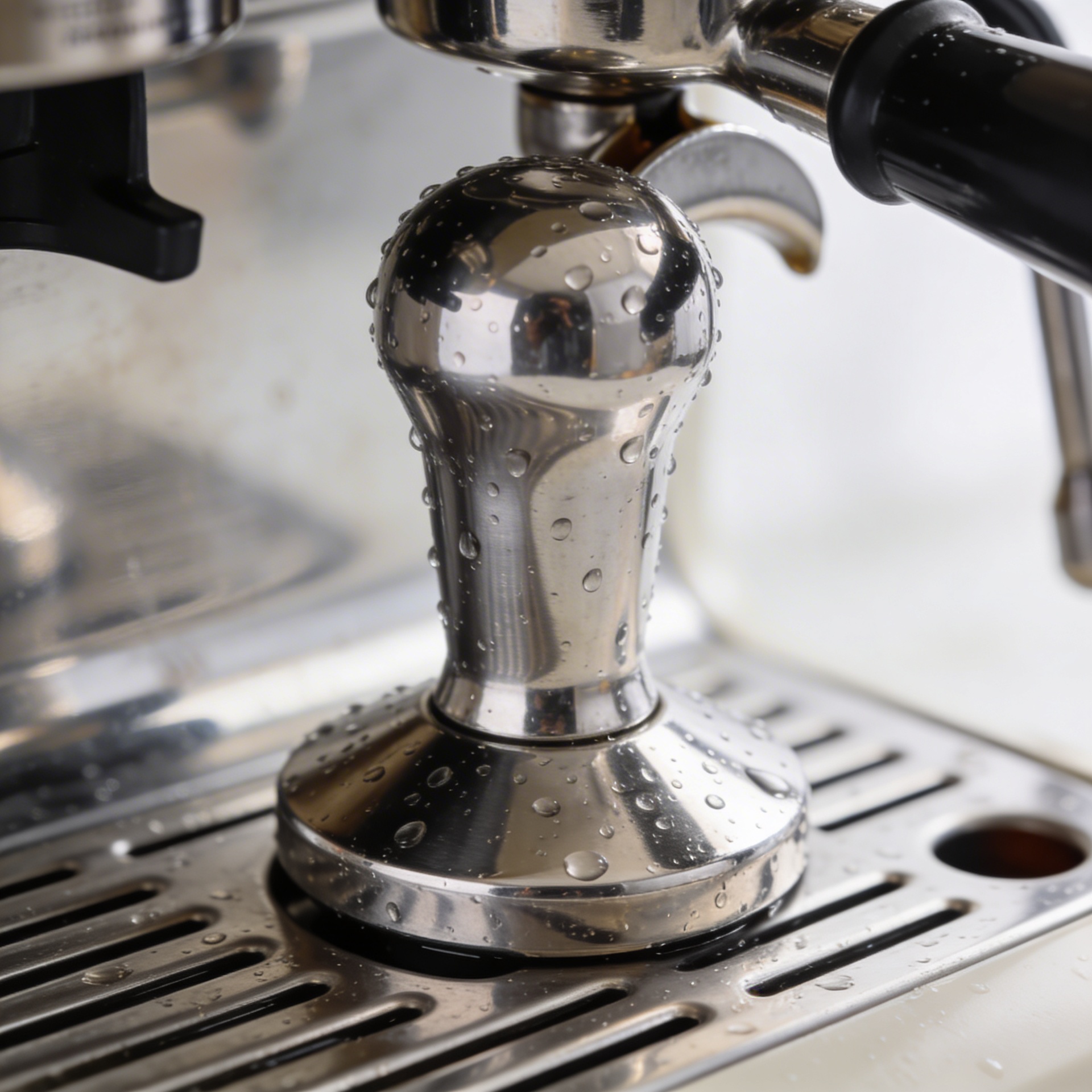
Prompt: Studio product photo of a stainless steel espresso machine knob with water droplets, softbox lighting, shallow depth of field, ultra sharp.
| Seedream 4.5 | Seedream V5 Lite |
|---|---|
 |
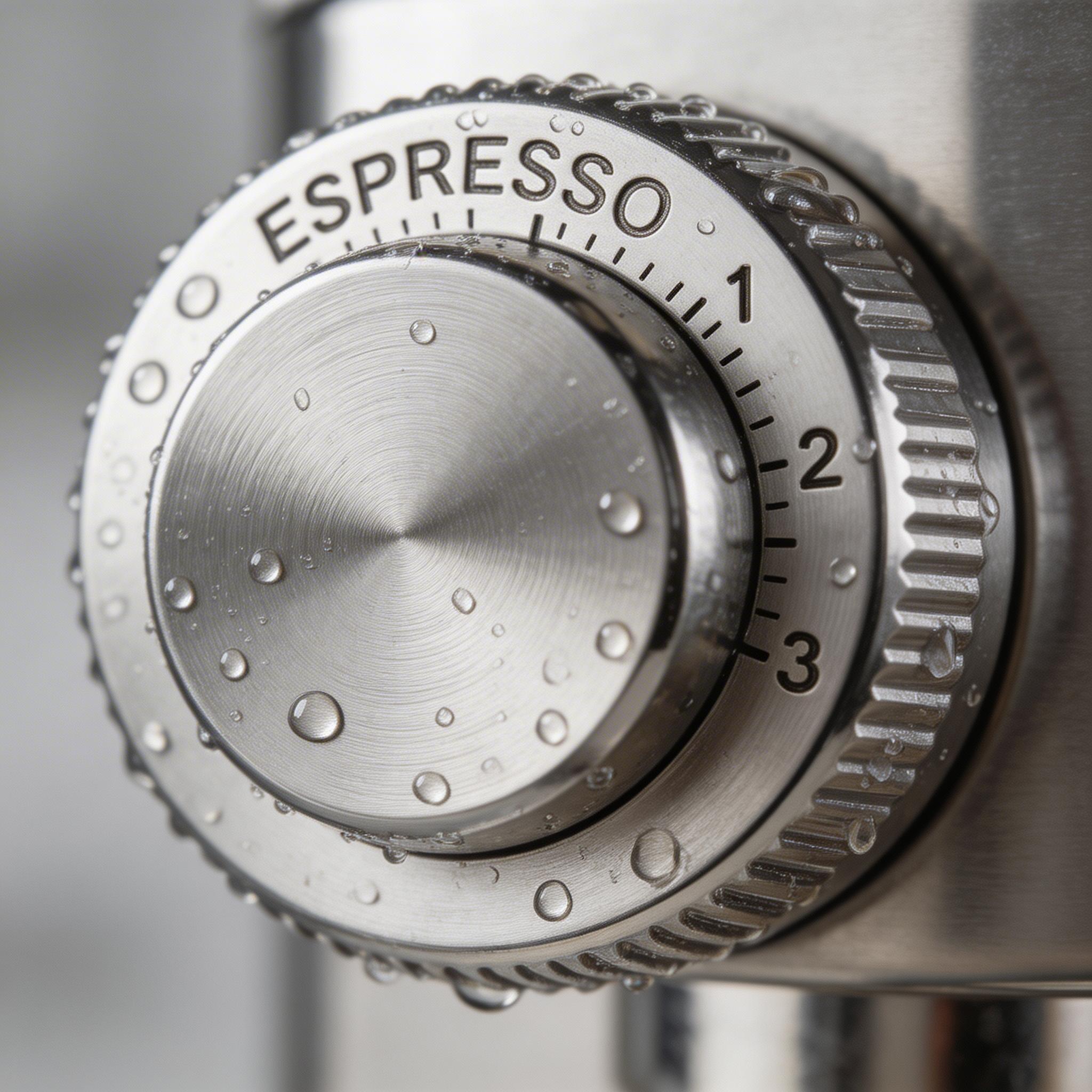 |
Seedream 4.5 creates a wider machine context: the portafilter and drip tray help explain the object, and the droplet highlights read well. V5 Lite goes tighter on the dial and adds readable ESPRESSO lettering plus numbered marks. The latter is the stronger image for a detail-led product crop, though its dial is an invented product rather than a literal faithful rendering. Pick 4.5 for broader scene context; pick V5 Lite when a tight hero detail is the target.
3. Crowded bazaar: 4.5 feels more cinematic; V5 Lite carries more individual people
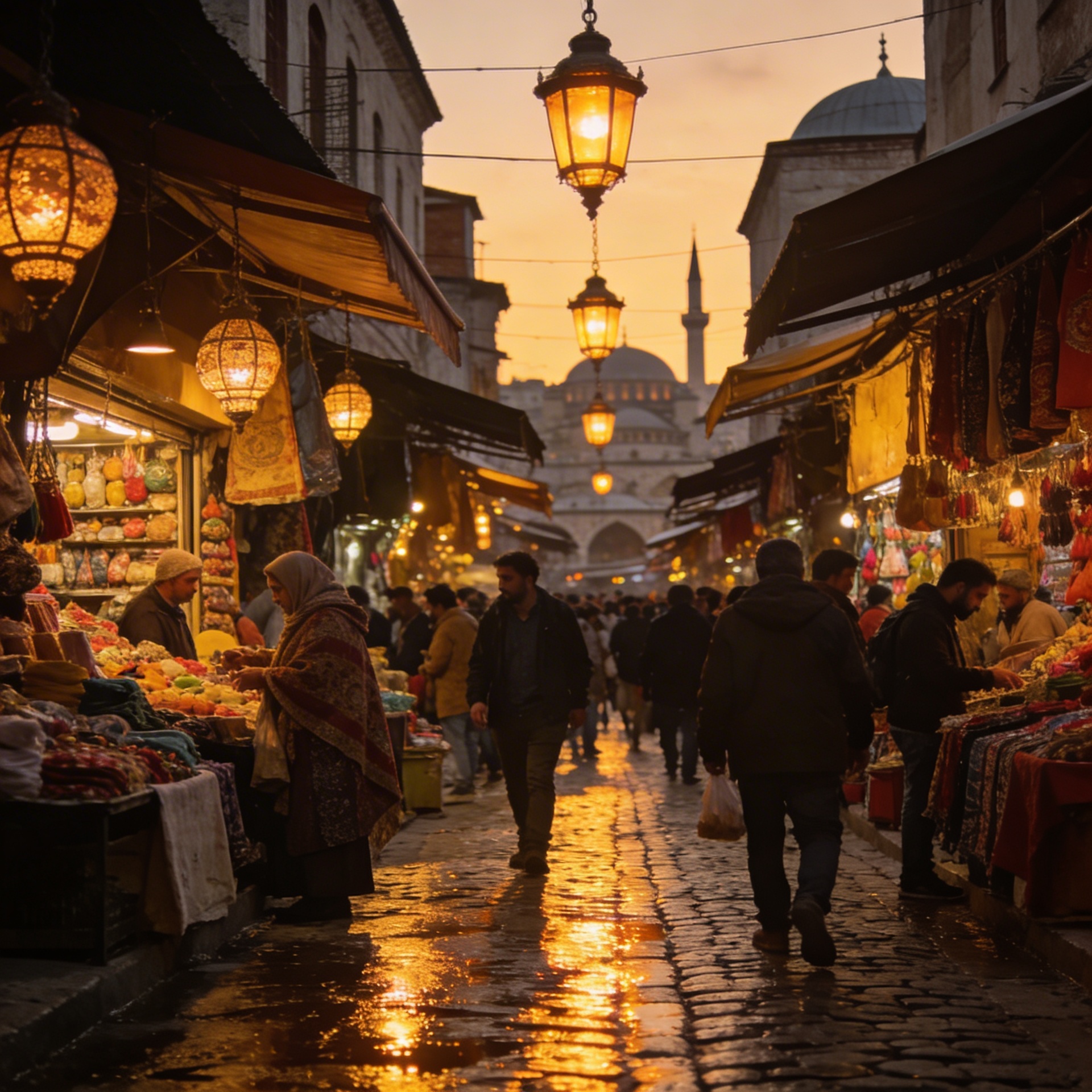
Prompt: Open air bazaar in Istanbul at dusk, wet cobblestone street, hanging lanterns, crowded scene, cinematic lighting, detailed faces.
| Seedream 4.5 | Seedream V5 Lite |
|---|---|
 |
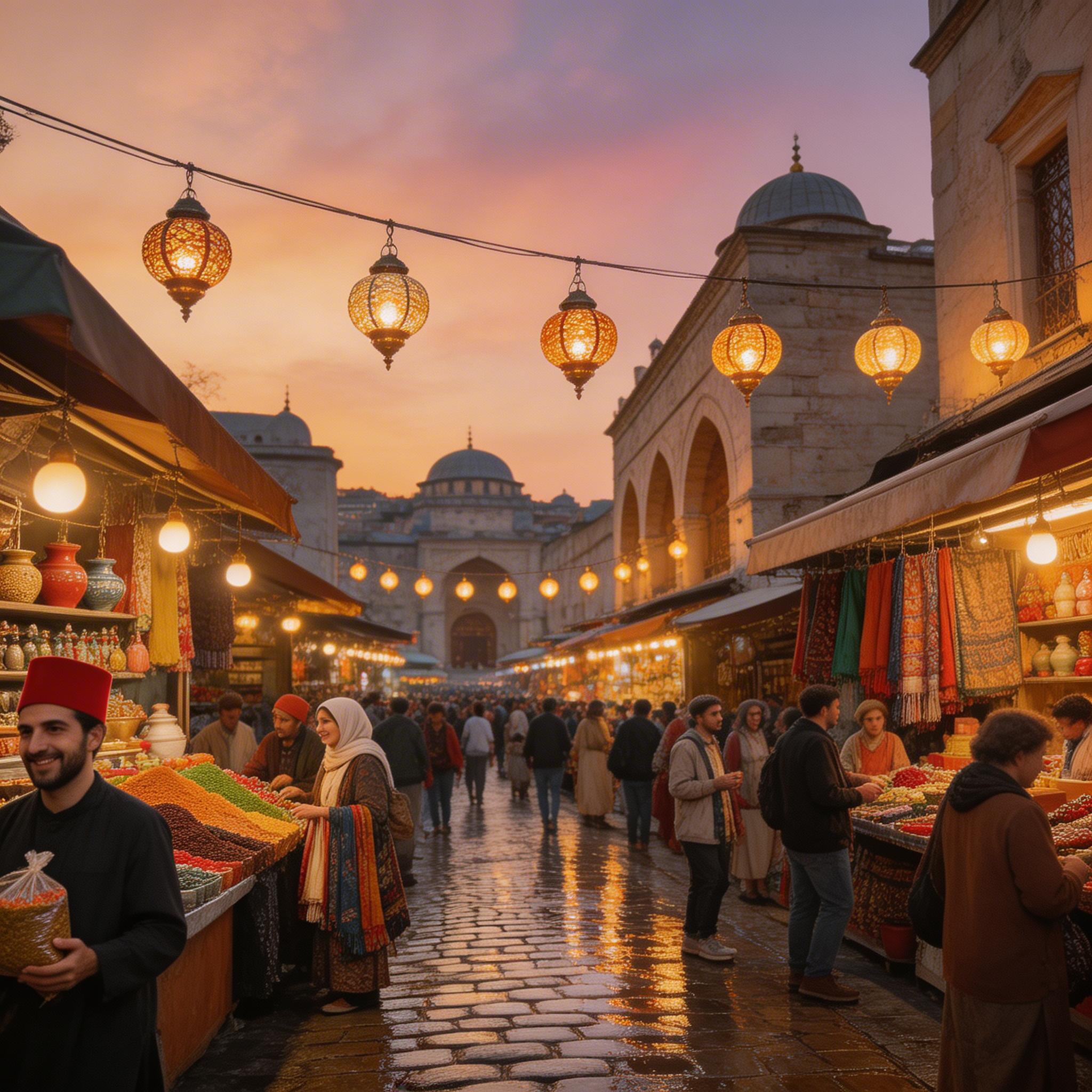 |
Seedream 4.5 commits to a darker, film-like street with strong lantern reflections and a central walking figure. V5 Lite opens the scene, shows more market goods, and gives several foreground shoppers clearer faces. Both make a persuasive wet-street atmosphere. Neither should be used as documentary imagery of a real location. For a mood-led campaign frame, 4.5 has the stronger contrast; for a busier editorial illustration, V5 Lite gives more readable activity.
4. Diagram prompt: 4.5 follows the requested topology more closely
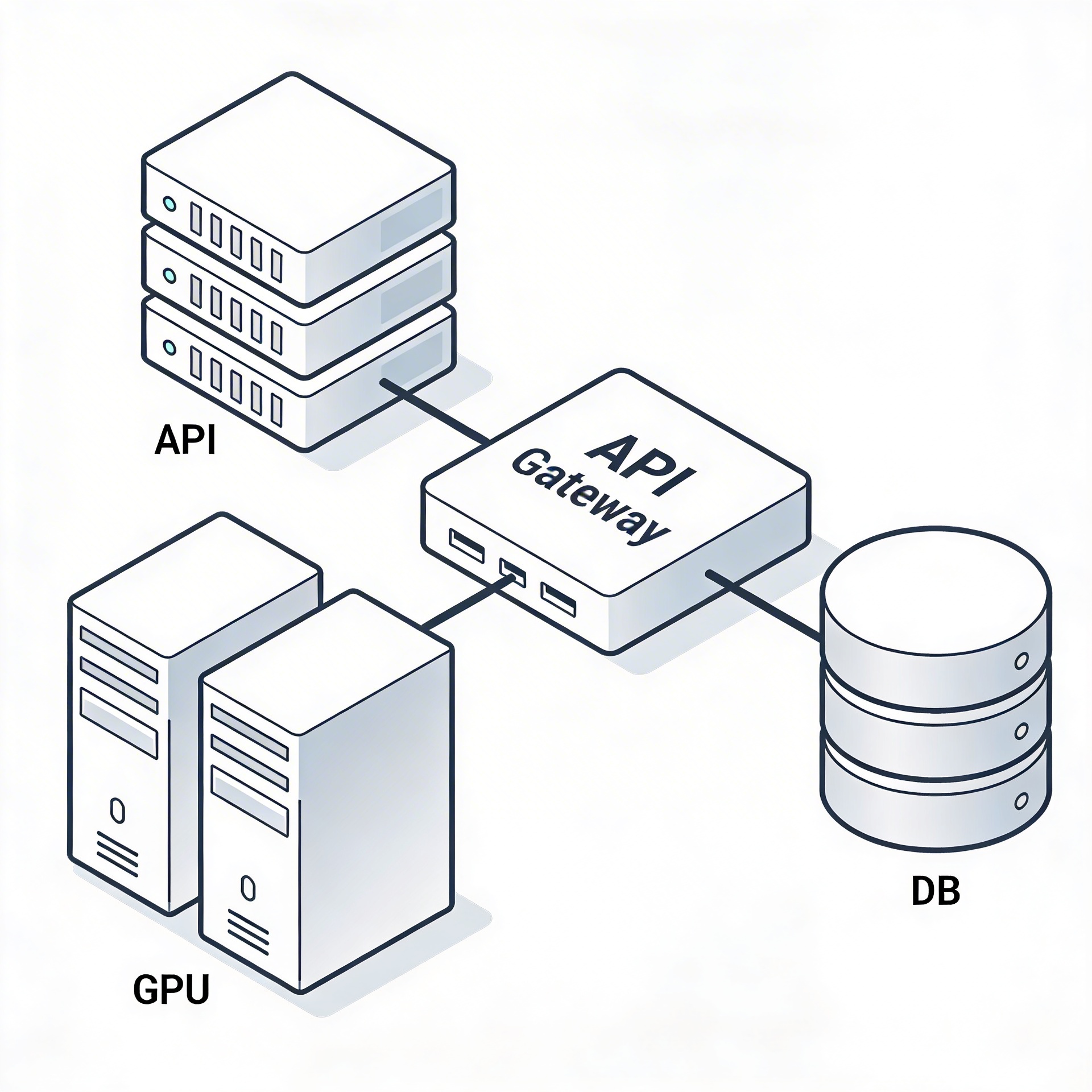
Prompt: Isometric technical illustration of an API gateway connected to GPU servers and a database, labels GPU API DB, clean vector style, white background.
| Seedream 4.5 | Seedream V5 Lite |
|---|---|
 |
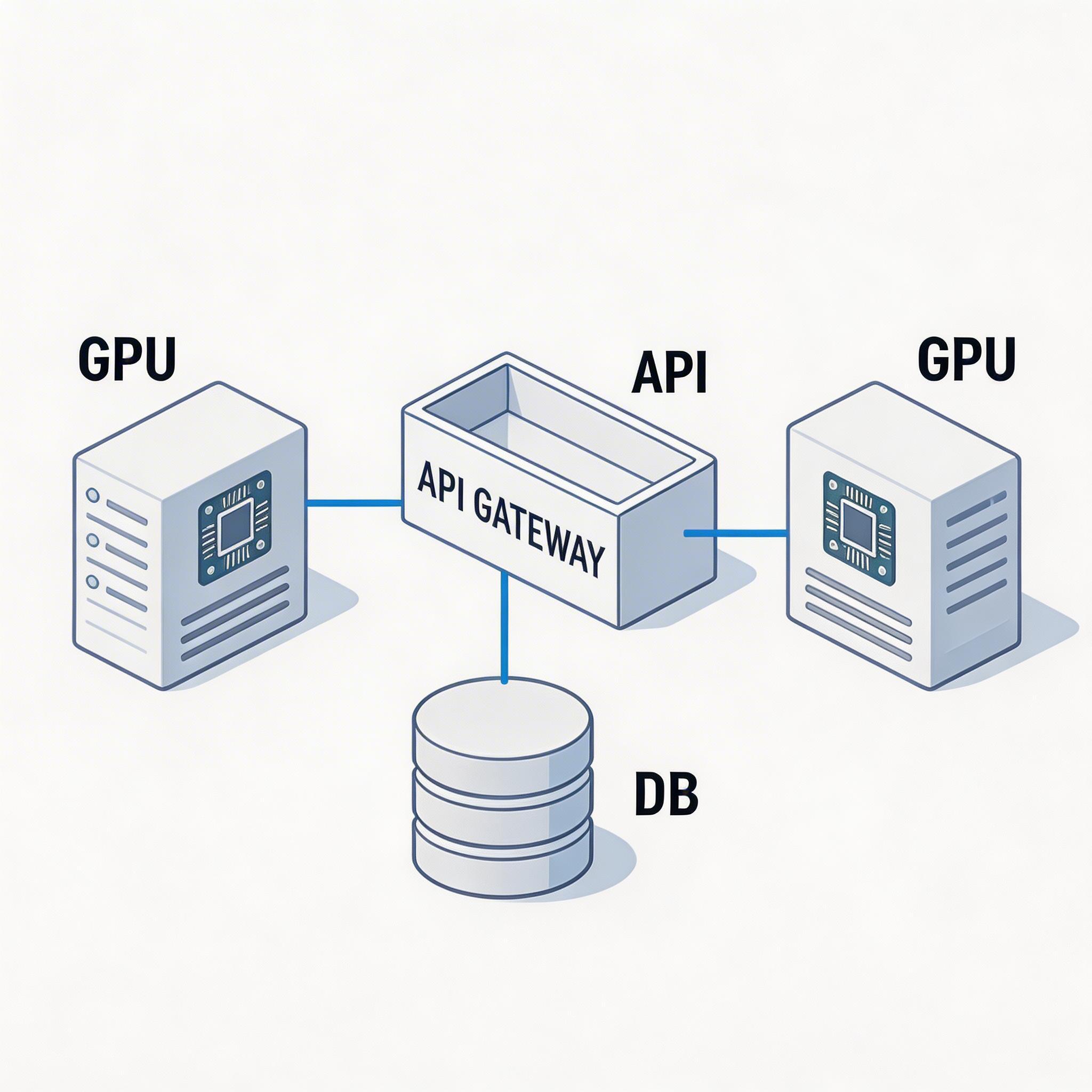 |
The 4.5 image includes server stacks, a gateway, a database, and labels API, GPU, and DB. V5 Lite produces a cleaner-looking line illustration, but it adds a second GPU server and places labels less consistently. This is a useful warning: generated diagrams can work as visual concepts, not as infrastructure documentation. If labels and topology must be exact, use a diagram tool after the model supplies the visual direction.
5. Portrait: both survive the close crop; V5 Lite is more evenly lit
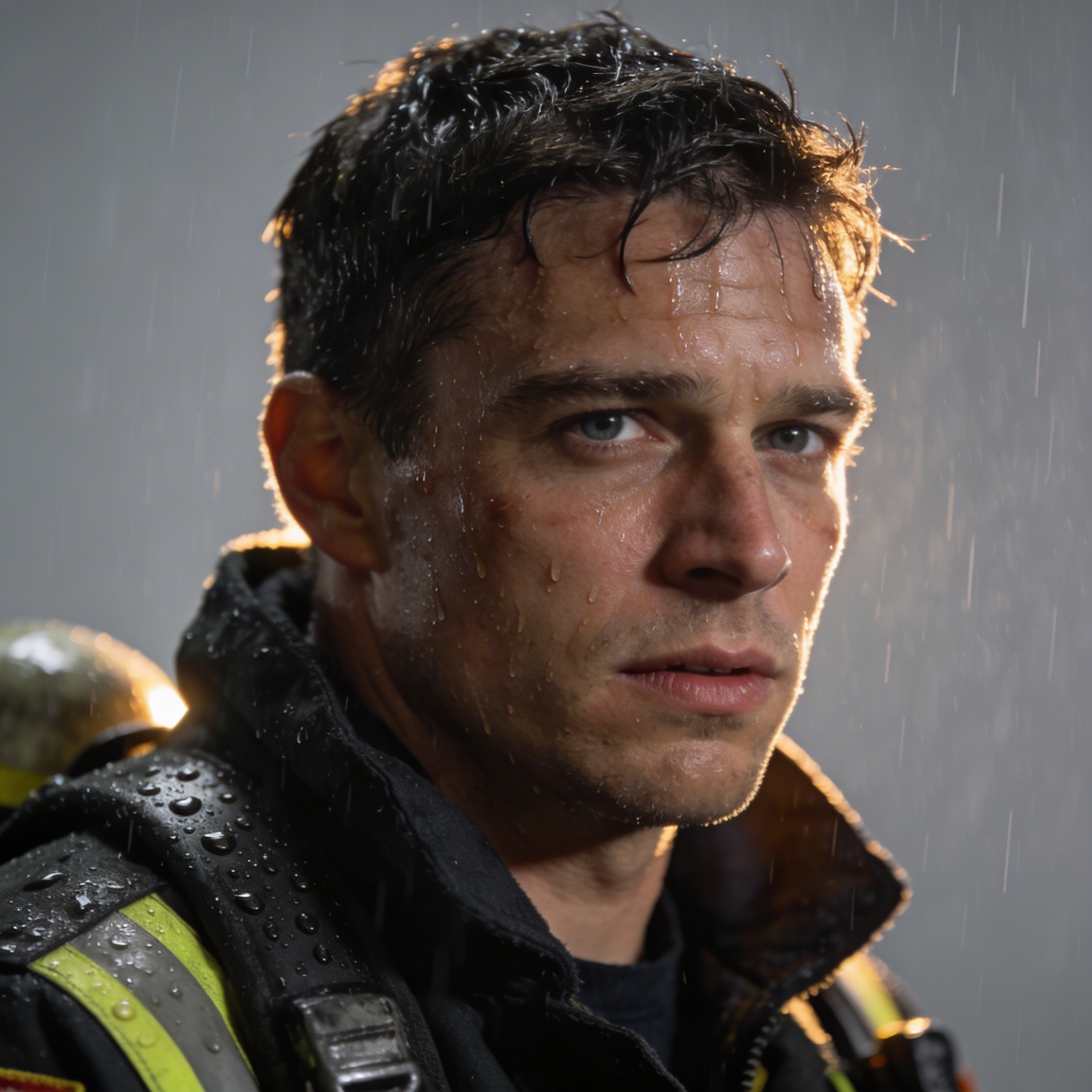
Prompt: Ultra realistic portrait of a firefighter in a rain soaked jacket, soft rim light, detailed skin texture, 85mm lens look, neutral background.
| Seedream 4.5 | Seedream V5 Lite |
|---|---|
 |
 |
Both faces are coherent, the eyes align, and the rain reads as water rather than random texture. Seedream 4.5 uses a harder backlight and shows more gear in the background. V5 Lite puts the face squarely at the center with smoother skin lighting and a clearer jacket collar. These are good portrait starting points, but a single result cannot establish identity consistency across a campaign.
6. Glass perfume: the most demanding test ends in a near tie
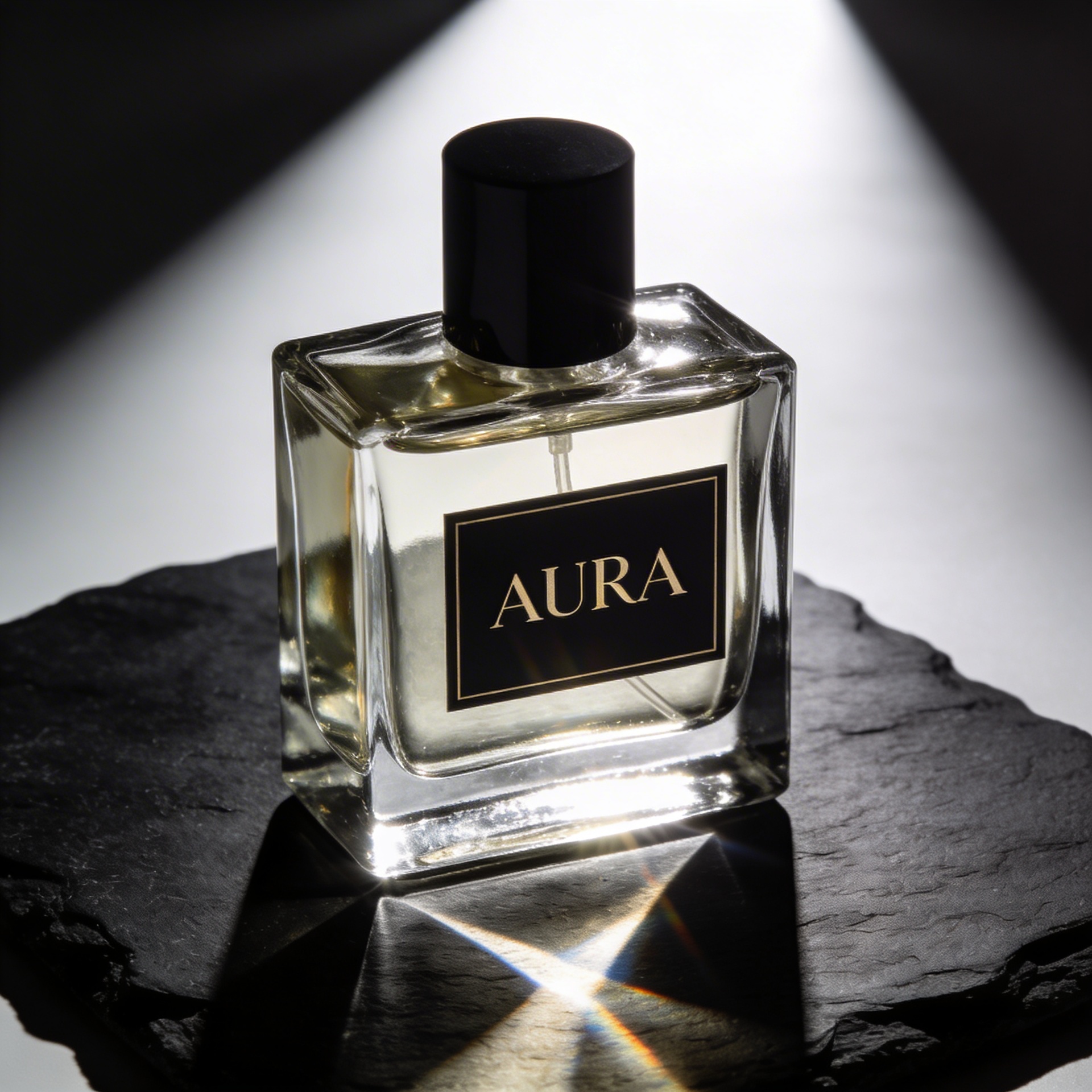
Prompt: Transparent glass perfume bottle on black slate, label text AURA, dramatic spotlights, realistic caustics, high detail, product photo.
| Seedream 4.5 | Seedream V5 Lite |
|---|---|
 |
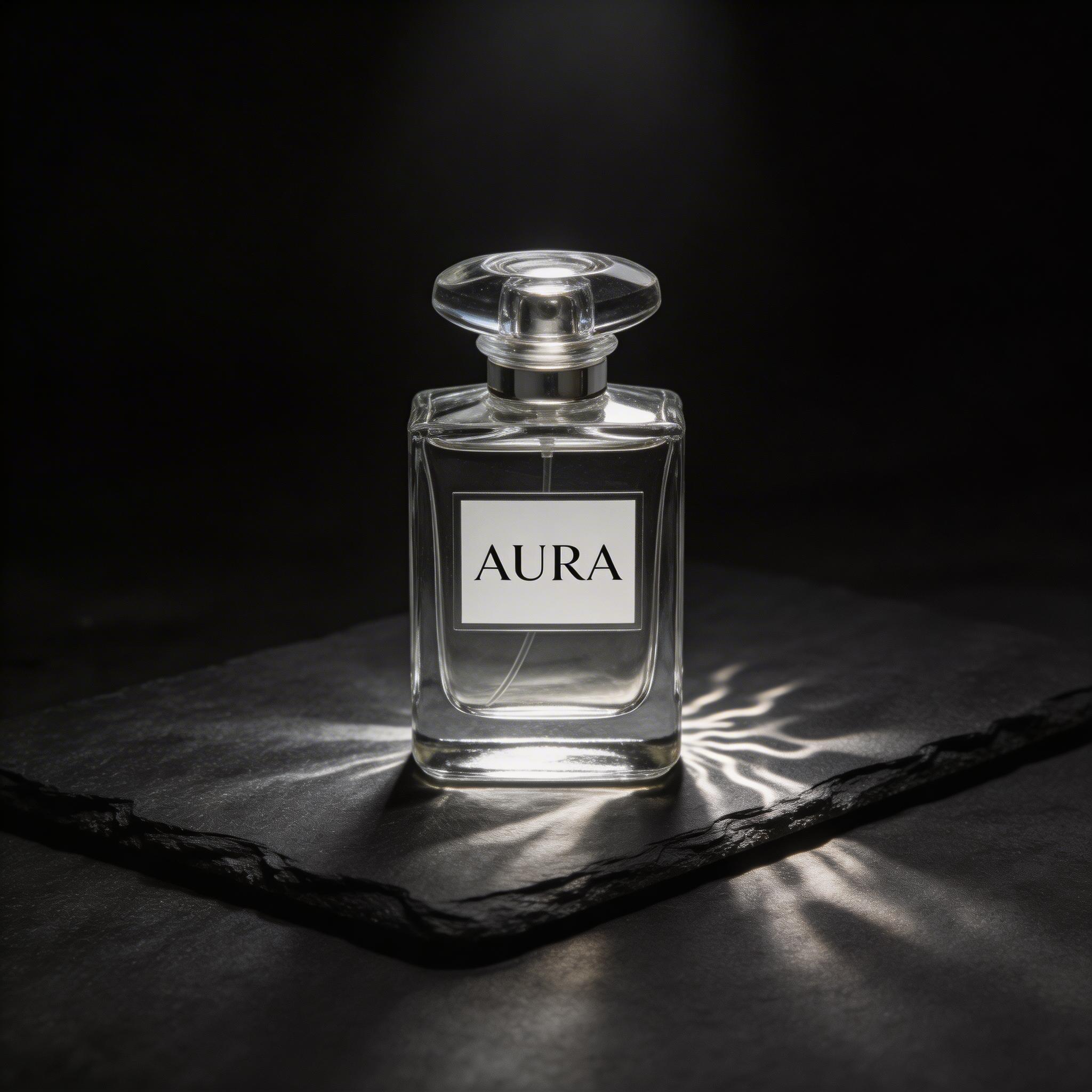 |
Both models render the AURA label legibly and make convincing glass edges. Seedream 4.5 gives the bottle a heavier square silhouette and pronounced rainbow-like caustics across the slate. V5 Lite makes a narrower bottle and cleaner light pattern, although the cap shape is less like a conventional perfume atomizer. This pair shows why transparent objects remain a good stress test: the lighting may look credible while the product construction still drifts.
Runtime and cost notes
The recorded completion times for these runs were 11, 16, 11, 18, 18, and 11 seconds for Seedream 4.5; V5 Lite recorded 33, 24, 31, 35, 36, and 33 seconds. Across this small set, 4.5 finished faster on every prompt. The Wiro model documentation lists the available parameters and output constraints, but does not publish a per-output price in the documentation used for this update. No cost figure is therefore claimed here.
| Prompt | Seedream 4.5 | Seedream V5 Lite |
|---|---|---|
| Typography | 11 sec | 33 sec |
| Product close-up | 16 sec | 24 sec |
| Bazaar | 11 sec | 31 sec |
| Diagram | 18 sec | 35 sec |
| Portrait | 18 sec | 36 sec |
| Glass | 11 sec | 33 sec |
Which model should you choose?
Choose Seedream 4.5 when speed is the priority, when a scene needs more dramatic contrast, or when the structure of a simple technical concept matters. Its documented 4K option also makes it the natural one to test when a 2K draft works and a larger final is needed.
Choose Seedream V5 Lite when close product detail, cleaner centered portrait framing, or a more open composition matters more than turnaround time. Its documented 3K ceiling may be enough for many square social and editorial uses.
For related tests, see Seedream V5 Lite Image Editing: 7 Real Before and After Tests, FireRed Image Edit vs Seedream V5 Lite, and Seedream V5 Pro vs Nano Banana Pro. Start with the model that matches the final use case, then run a small prompt set of your own. The output pairs here make the trade-off clear: both can produce usable images, but neither replaces a review step when text, product accuracy, or technical structure has to be exact.