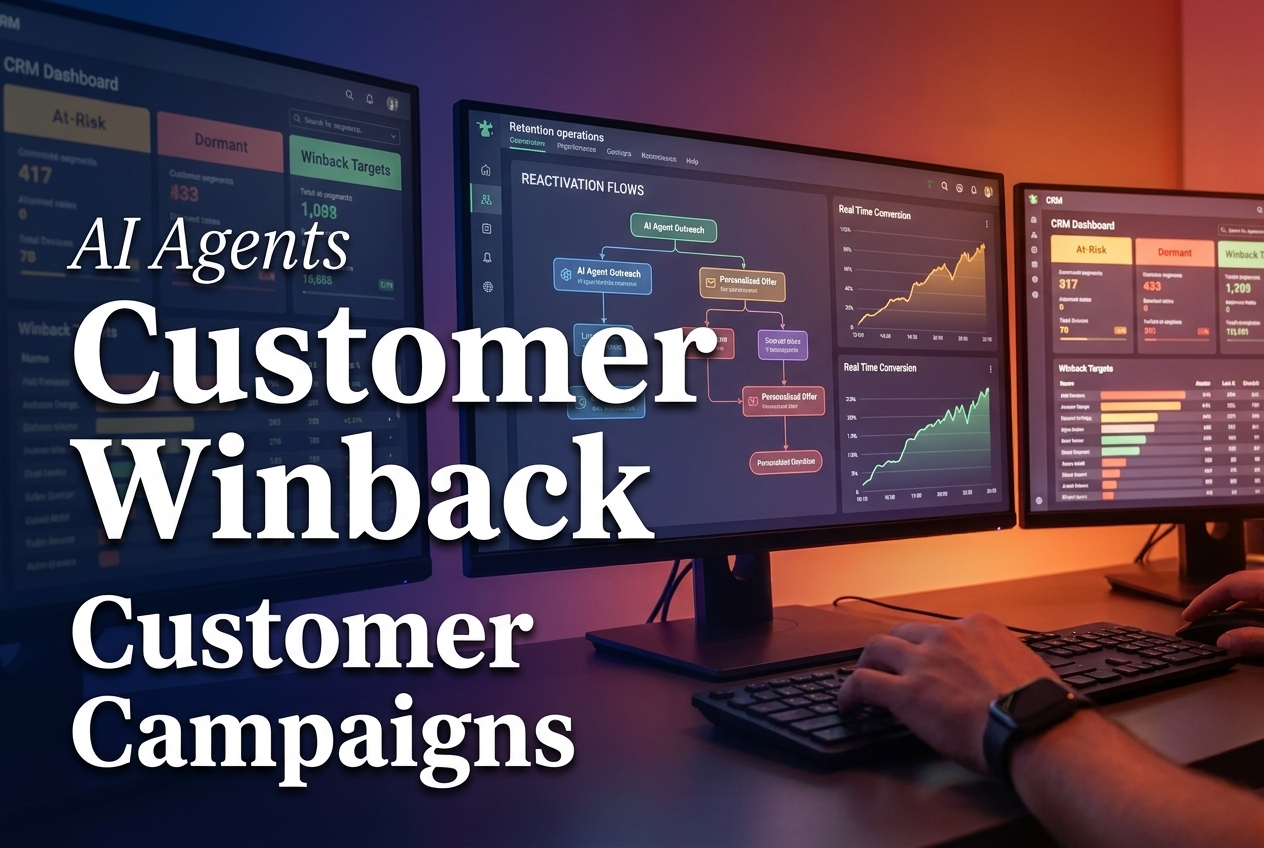
Winback AI agents give teams a better answer than endless acquisition spending when a real customer base is already sitting idle. Dormant lists are usually neglected because nobody owns the follow-up rhythm well enough to keep it going. An agent changes that by turning inactivity into an active workflow.
The core advantage is not more messages. It is better timing, cleaner segmentation, and steadier execution across a queue that humans rarely keep consistent for long.
Why winback AI agents matter
Winback works because the audience already knows the brand. That means the team can focus less on awareness and more on relevance. The problem is execution. Dormant lists grow quietly while teams chase new acquisition because reactivation work feels slow, repetitive, and easy to postpone.
Winback AI agents fix that by spotting inactivity, grouping customers by likely re-entry path, and pushing the next message or task on schedule. That makes retention work more dependable and less dependent on whoever happens to remember it this week.
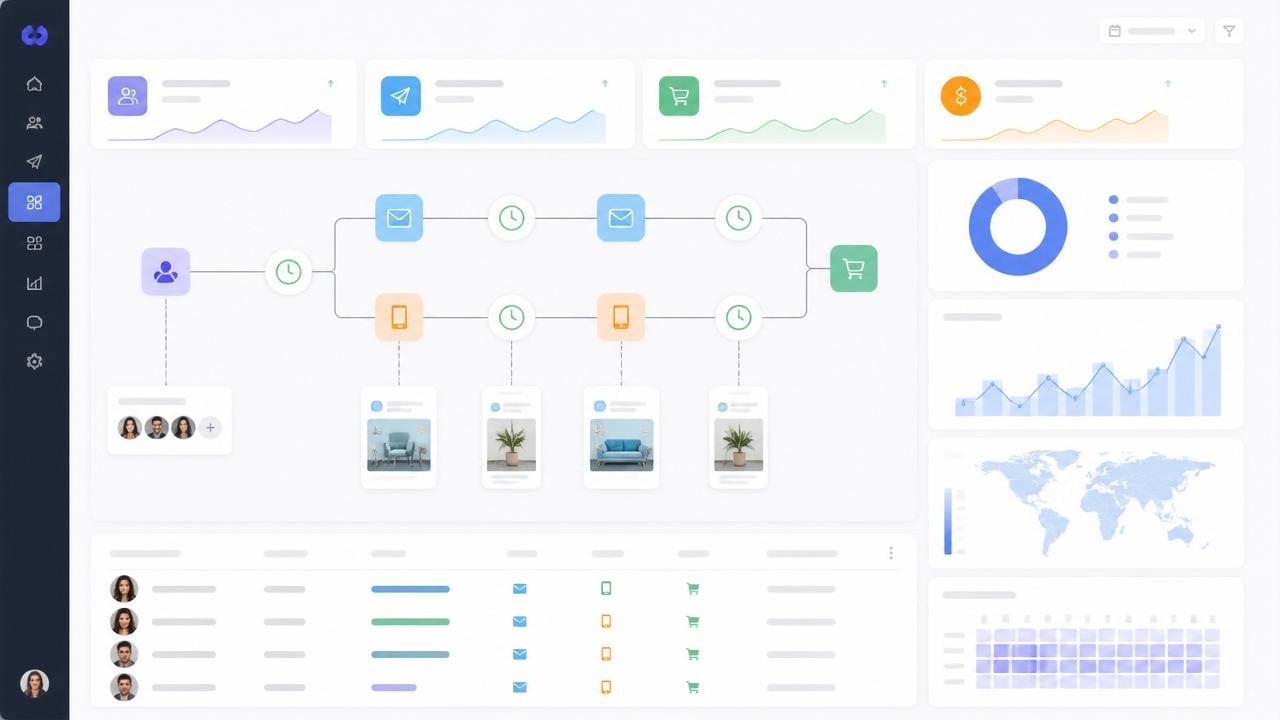
What to automate first
The best first automations are segment detection, timing logic, and message preparation. Teams should start with the workflows they already know matter but rarely execute well enough by hand.
- Detect dormant segments by time since last action
- Split customers by purchase or engagement pattern
- Prepare message paths for different return triggers
- Schedule reactivation touches across the right channels
- Track which segments re-engage and which stay cold
That structure is what turns winback from a campaign idea into a reliable operating motion.
How to avoid bad reactivation flows
Bad winback automation sends the same message to everyone at the wrong moment. Good winback AI agents do the opposite. They adapt by customer state, recent behavior, and the channel most likely to work. Timing matters. So does memory. The workflow should know if the person already re-engaged, ignored the first touch, or showed a stronger signal somewhere else.
This is why winback is a system problem, not only a copy problem. Teams need memory, recap, and scheduled execution more than they need another subject line test.

How Wiro fits the job
Wiro is a strong fit because the platform can connect inactivity detection, scheduled work, and channel delivery paths inside one agent workflow. The customer winback workflow is the clearest starting point, and supporting agents such as Push Notification Manager and Newsletter Manager help explain how the channel layer fits in.
That matters for repeat-purchase businesses, apps, and local service brands. They do not need more dormant lists. They need a system that keeps reactivation moving.
What to measure after launch
Measure reactivation rate, time to first re-engagement, dormant-list size, and the share of inactive customers who move back into a healthy lifecycle path. Then compare the winback lift with the cost of continued acquisition.
Winback AI agents are worth it when they make reactivation steady, measurable, and harder to ignore. That is when dormant lists stop being wasted potential and start becoming one of the cleaner growth levers on the table.
See how Wiro approaches this in the customer winback workflow and keep the outside governance view from NIST AI RMF in the rollout plan.