AI agents for CRM updates are useful because most CRM damage happens in small pieces. A field is left blank. A note is pasted into the wrong place. A deal stage never moves. A duplicate record survives for weeks. None of that looks dramatic in the moment, but it slows the whole pipeline down.
An agent helps by handling the repetitive clean-up work that sales and ops teams rarely enjoy doing by hand. The important part is not speed alone. It is applying the same update logic every time so the pipeline stays readable.
- Why AI agents for CRM updates matter
- 7 smart CRM update workflows
- How Wiro can run CRM update agents
- Clean CRM data needs rules
Why AI agents for CRM updates matter
A pipeline can look active while the data inside it gets worse every week. Reps skip fields. Follow-up notes arrive late. New leads come in with partial context from forms, calls, and spreadsheets. That makes reporting weaker and follow-up timing worse.
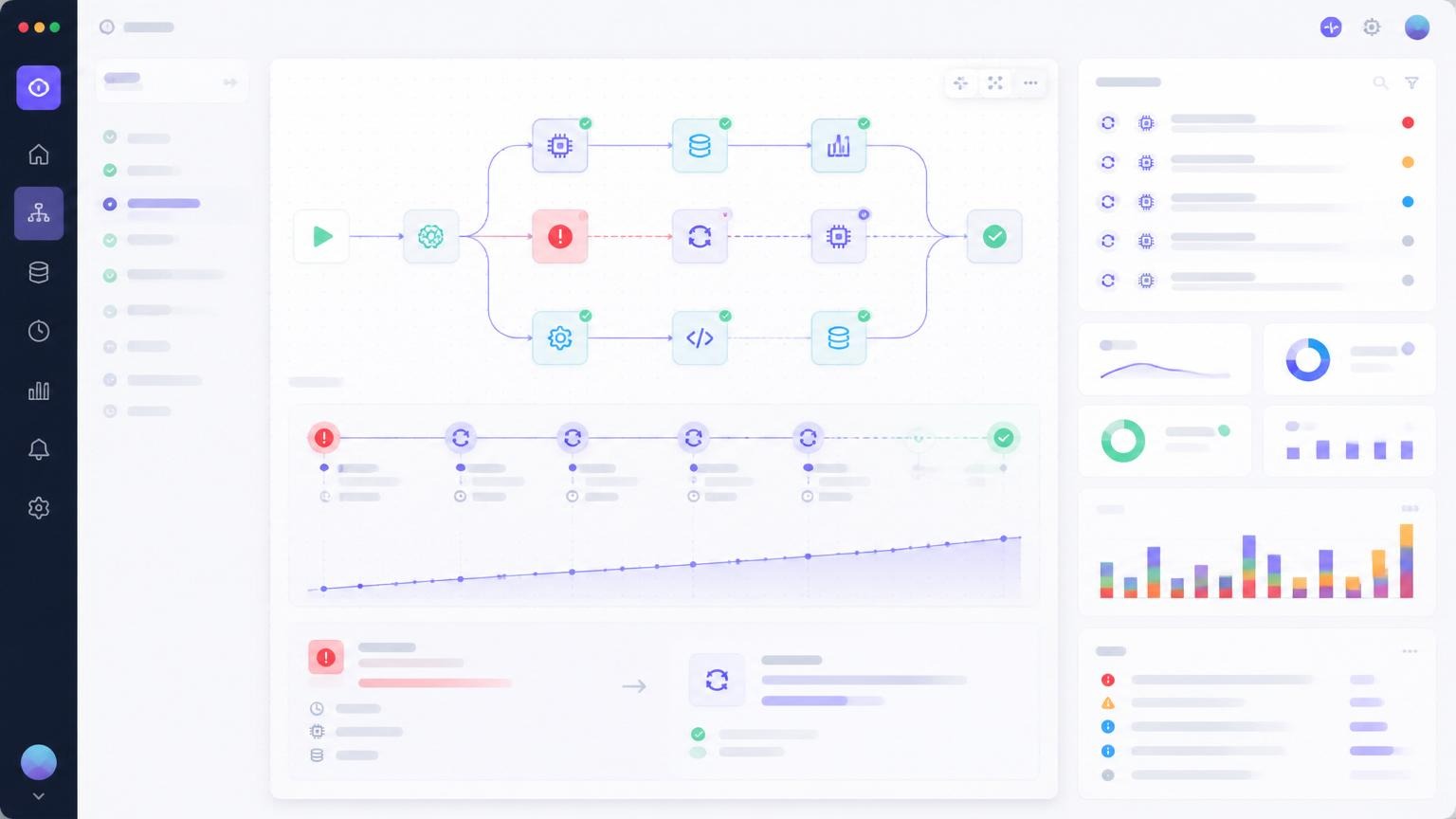
A CRM update agent fixes that by turning each new signal into a structured update. The workflow can extract the right details, check for duplicates, map the next stage, and log what changed. That is much better than waiting for a team to clean the mess on Friday. The same systems thinking appears in the Microsoft agent guidance: reliability comes from clear execution rules around the model.
7 smart CRM update workflows
1. Form-to-CRM sync. Normalize new lead data before it lands in the pipeline.
2. Call summary updates. Turn a call recap into structured notes and a clear next step.
3. Stage movement suggestions. Recommend the next pipeline stage based on the latest interaction.
4. Duplicate detection. Match records across email, phone, and company signals before creating a new row.
5. Field repair. Fill missing source, owner, location, or segment fields from the latest context.
6. Follow-up task creation. Create the next task when the conversation implies a real next move.
7. Ops review escalation. Route conflicts or low-confidence updates to a human before writing.
How Wiro can run CRM update agents
Wiro is a strong fit because CRM work sits right at the center of business automation. It touches intake, lead generation, follow-ups, and reporting. The lead generation teams post already shows one side of that picture. A CRM update agent is the data-quality side of the same operational chain.
The Wiro build model also helps here. Skills, behavior, and approvals can be kept close to the workflow. That matters because CRM updates should not all be treated the same way. Updating a lead source field is low risk. Merging duplicates or moving a deal stage may need a review path. The workflow should know the difference.
If you want related context, compare this with lead generation workflow agents and winback AI agents. Both depend on clean pipeline state, even if the end goal is different.
Clean CRM data needs rules, not only speed
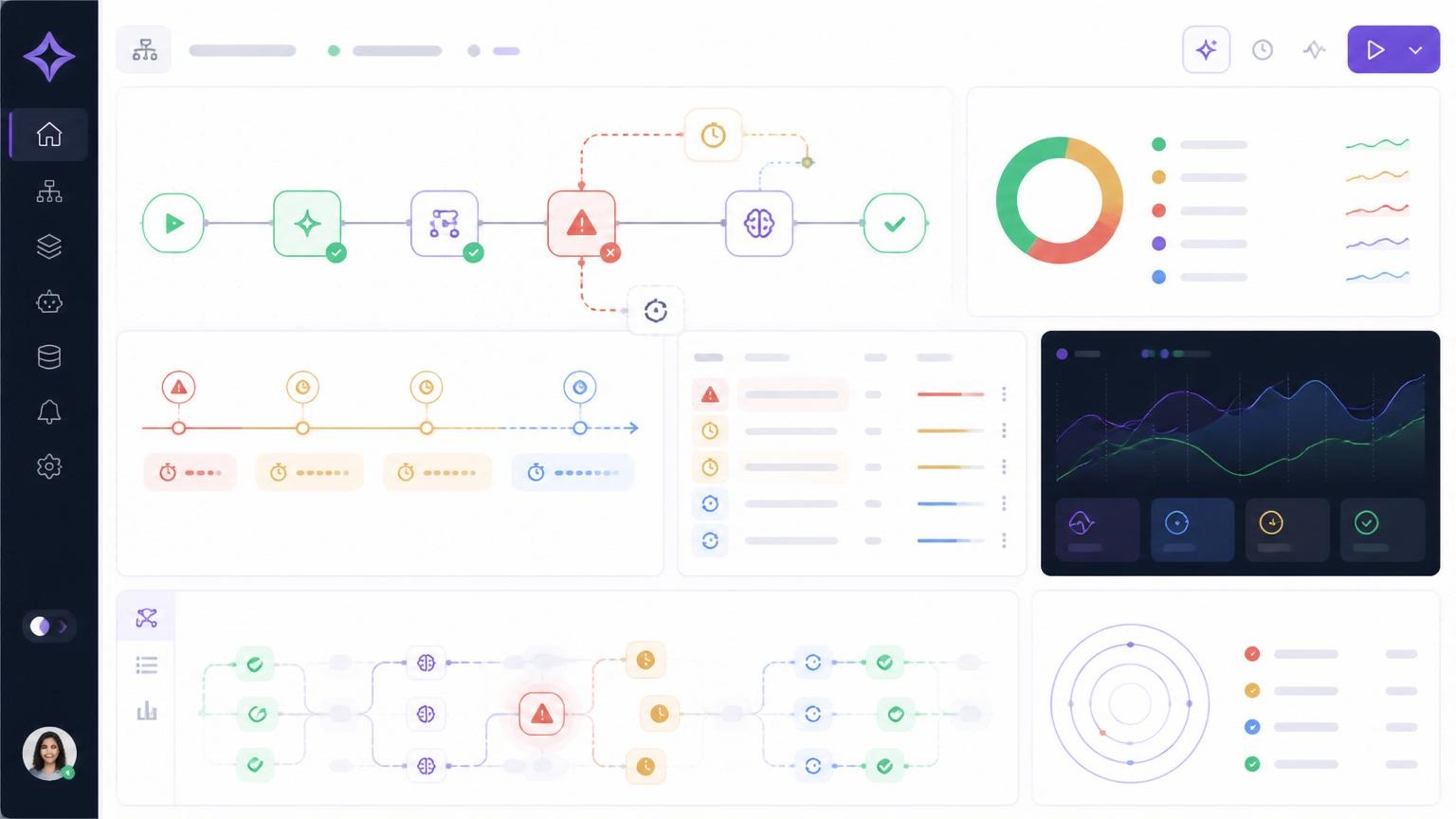
The common mistake is trying to automate CRM updates without defining what counts as safe. That leads to silent field overwrites and duplicate records that look legitimate on the surface. The agent should know which writes are harmless, which writes need a conflict check, and which writes need approval.
AI agents for CRM updates work best when the workflow treats the CRM as a system of record, not a dumping ground. That means bounded writes, clear logging, and a visible path for exceptions. When those rules are in place, the pipeline gets cleaner every day instead of drifting further out of date.