Kling Image V4 prompts work best when they describe the product, the setting, the light, and the detail that cannot drift. This guide uses eight product-focused tests to show how a specific brief changes the result. Kling Image V4 can generate a still from text or edit one reference image, with fixed aspect ratios and outputs from 2K to 8K.
How to write Kling Image V4 prompts
A useful product prompt gives the model a job, then removes room for guesswork. Name the object first. Add its material, the surface or setting, camera distance, lighting, and the feeling of the shot. For a technical image, call out the components that need to be visible. For an ecommerce frame, ask for controlled reflections and no logo rather than hoping the model infers both.
These Kling Image V4 prompts were run at 2K in a 9:16 frame. That ratio suits vertical placements, but it also exposes a common weakness: a scene can feel crowded if the product needs a wide stage. Use a fixed ratio when the layout matters. Auto can be useful for exploration, but it is a poor choice when a designer needs a known crop.
The tests lean toward products because they reveal a lot quickly. Glass shows reflection quality. A shoe tests material detail and motion. A cutaway checks whether the model can organize small mechanical parts without turning them into visual noise.
8 Kling Image V4 prompts for product mockups
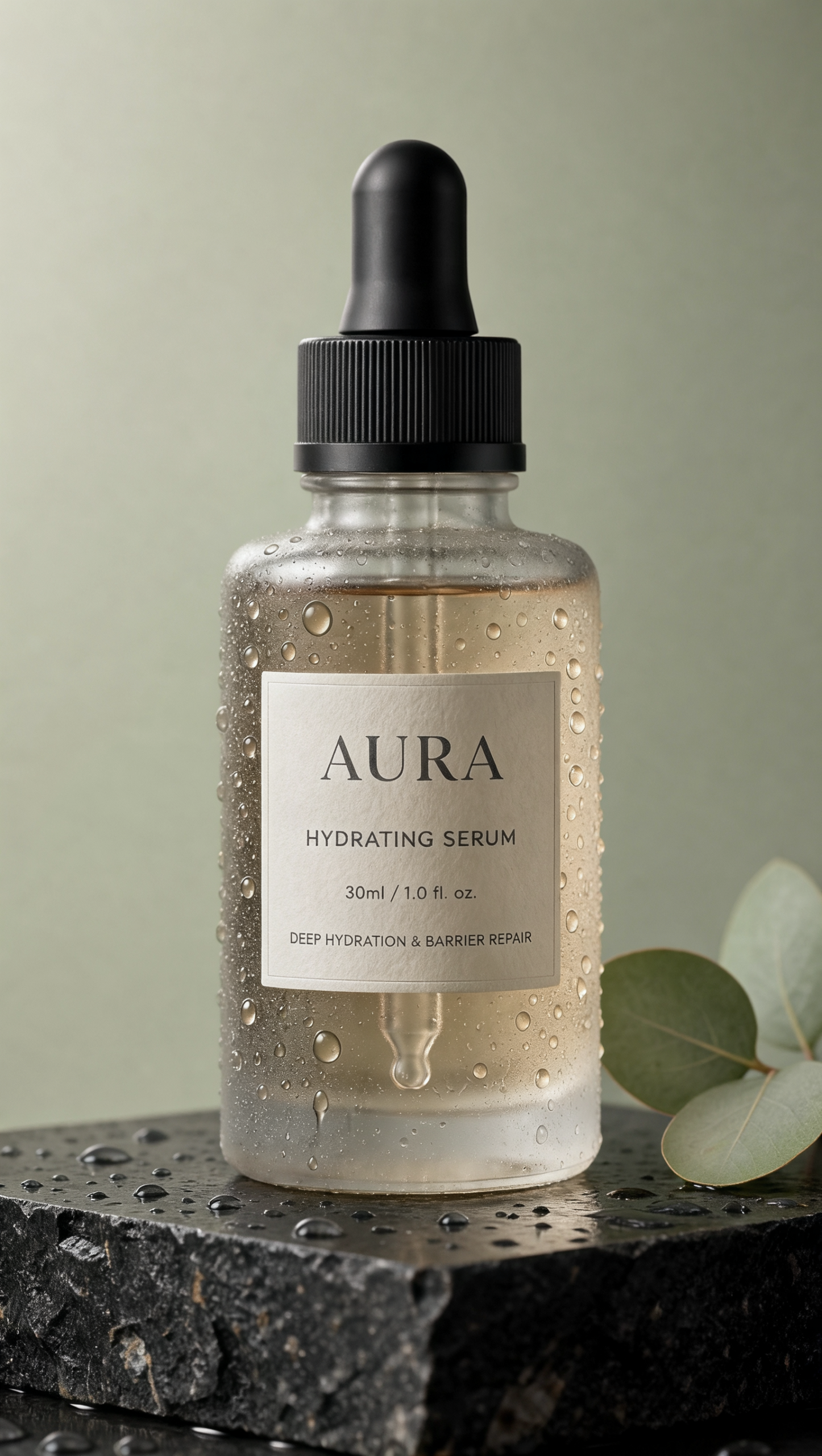
1. Serum bottle on wet stone
The first test pairs glass, water, and controlled studio light. Asking for condensation, a black stone plinth, and a pale sage field gives the frame three layers without making it busy. The bottle remains the clear focal point.
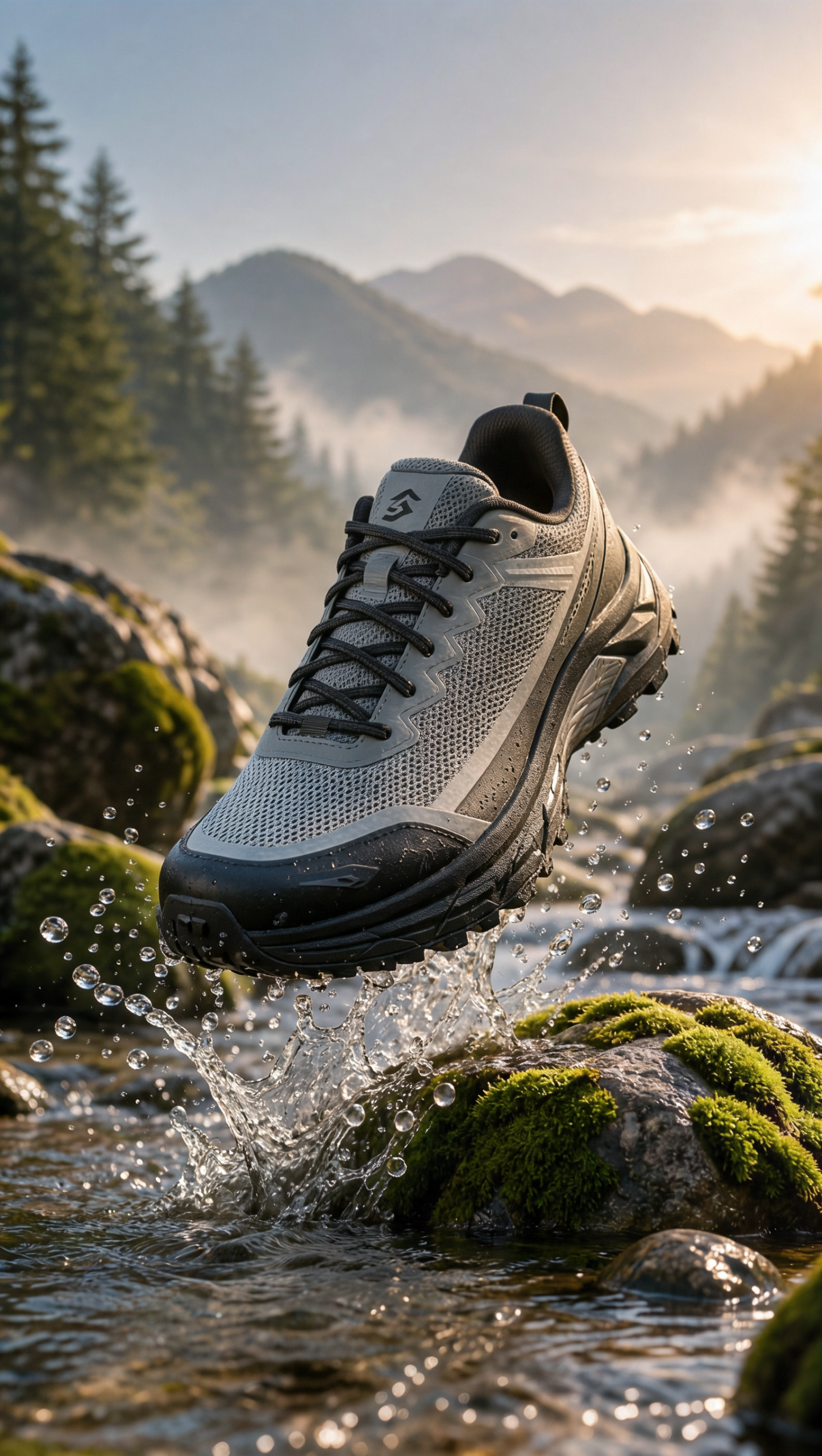
2. Trail shoe in moving water
Motion can make an otherwise plain shoe render feel like a campaign frame. The useful constraints here are clear stream, frozen droplets, mossy granite, dawn fog, and accurate mesh and laces. They tell the model that the material needs as much attention as the splash.
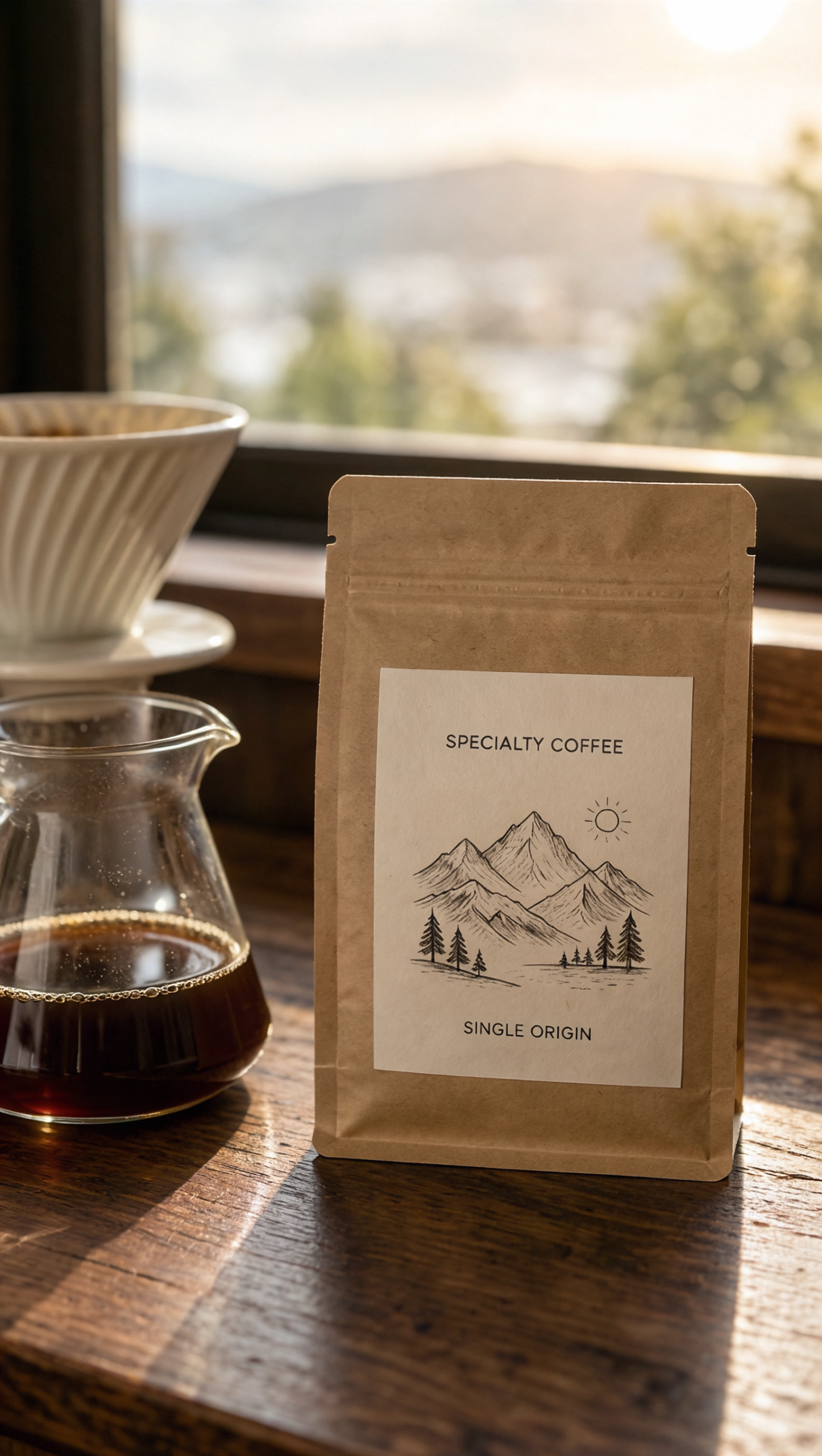
3. Specialty coffee packaging
Packaging needs a restrained set. Walnut, ceramic, window light, and a quiet cafe mood keep attention on the bag. The prompt asks for label artwork, not a specific brand mark. That is safer when the goal is a concept rather than production-ready packaging.
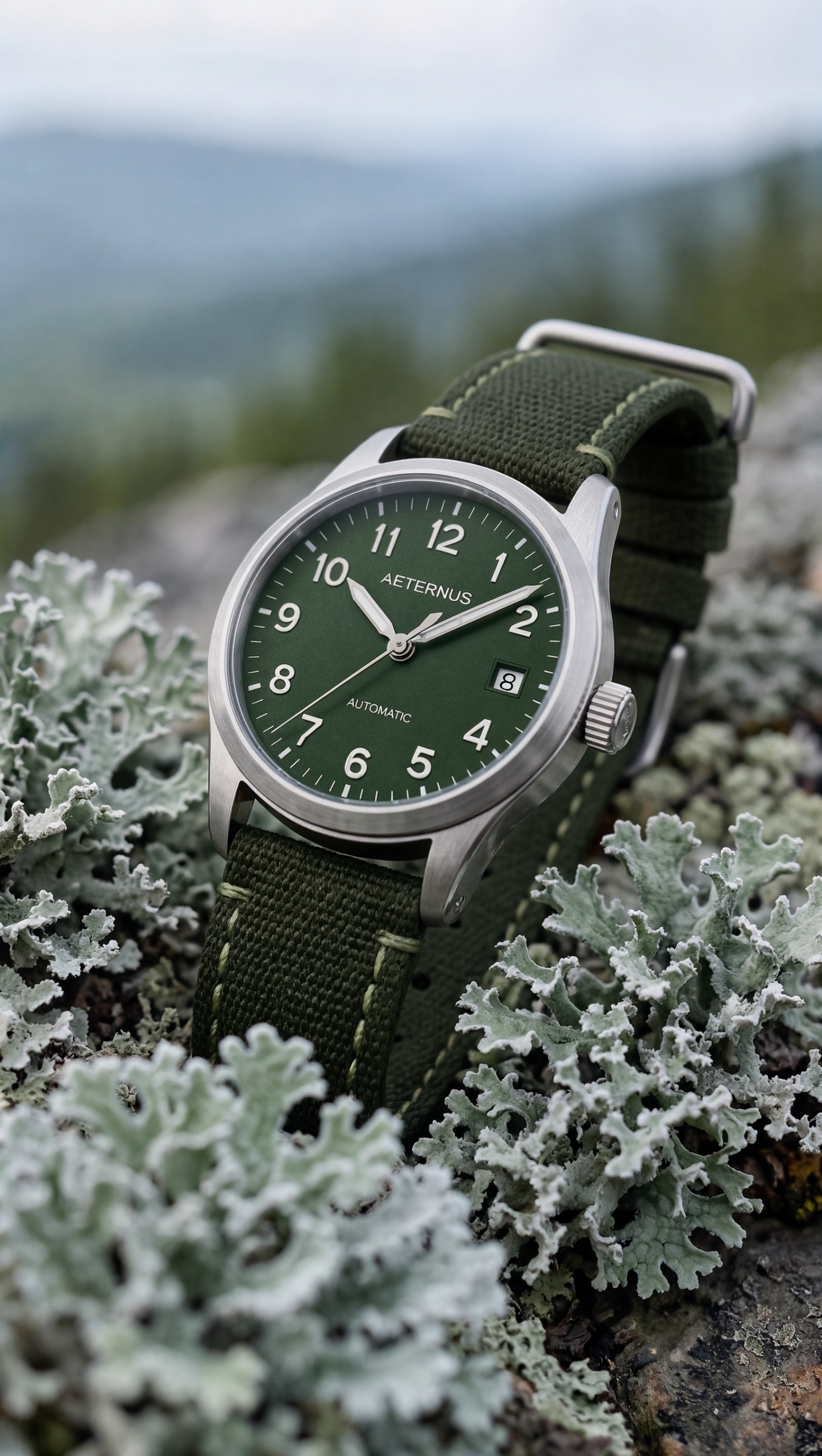
4. Field watch on frosted lichen
Small objects need macro language. Naming the dial, crown, strap material, lichen, and overcast mountain light gives the watch a believable setting while keeping the product readable. This is a good pattern for jewelry, wearables, and tools.
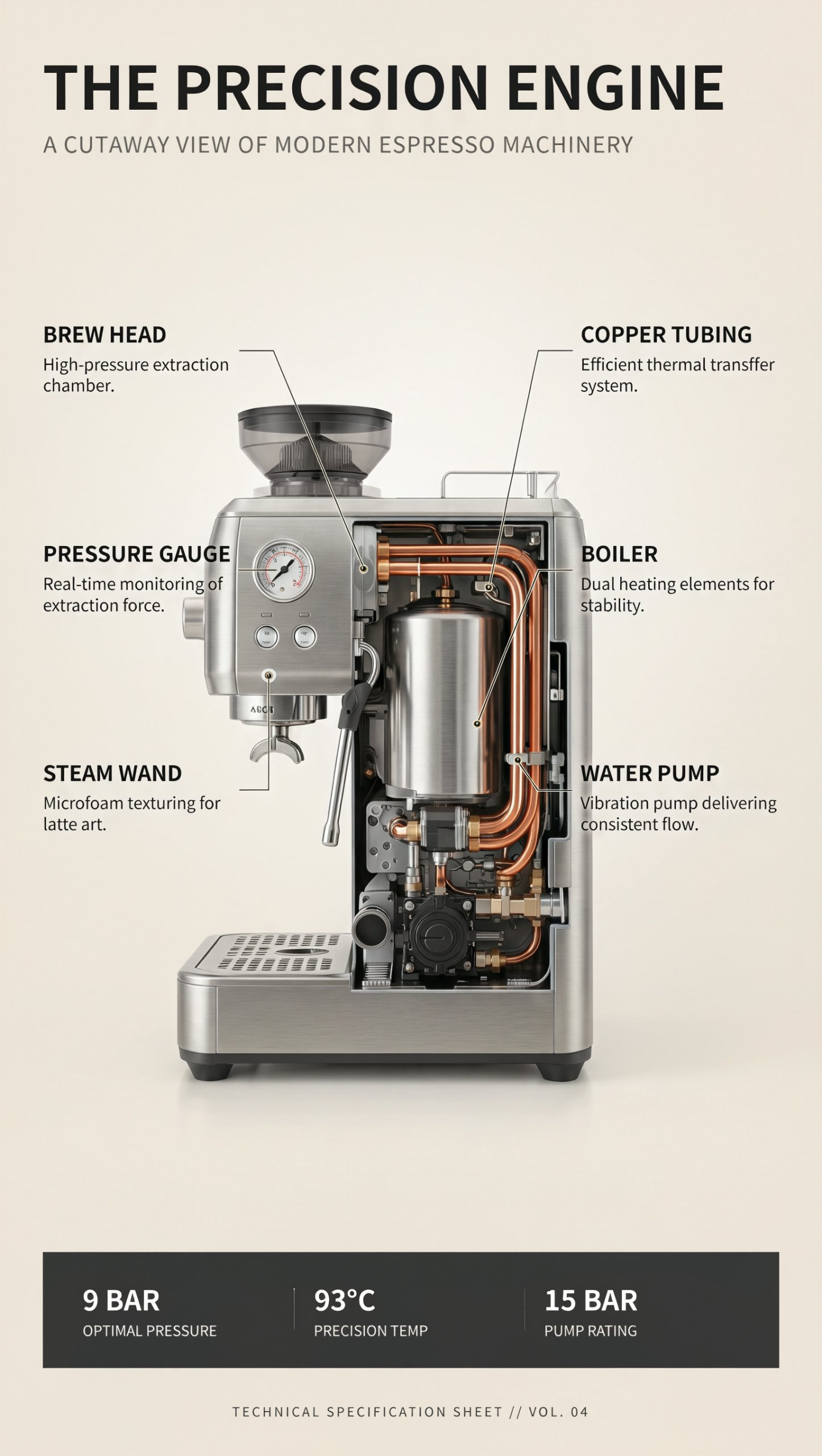
5. Espresso machine cutaway
This was the hard test. A cutaway must make internal parts readable while preserving the outside form. The prompt uses named components and asks for magazine diagram lighting. It is more reliable than a vague request for a technical view.
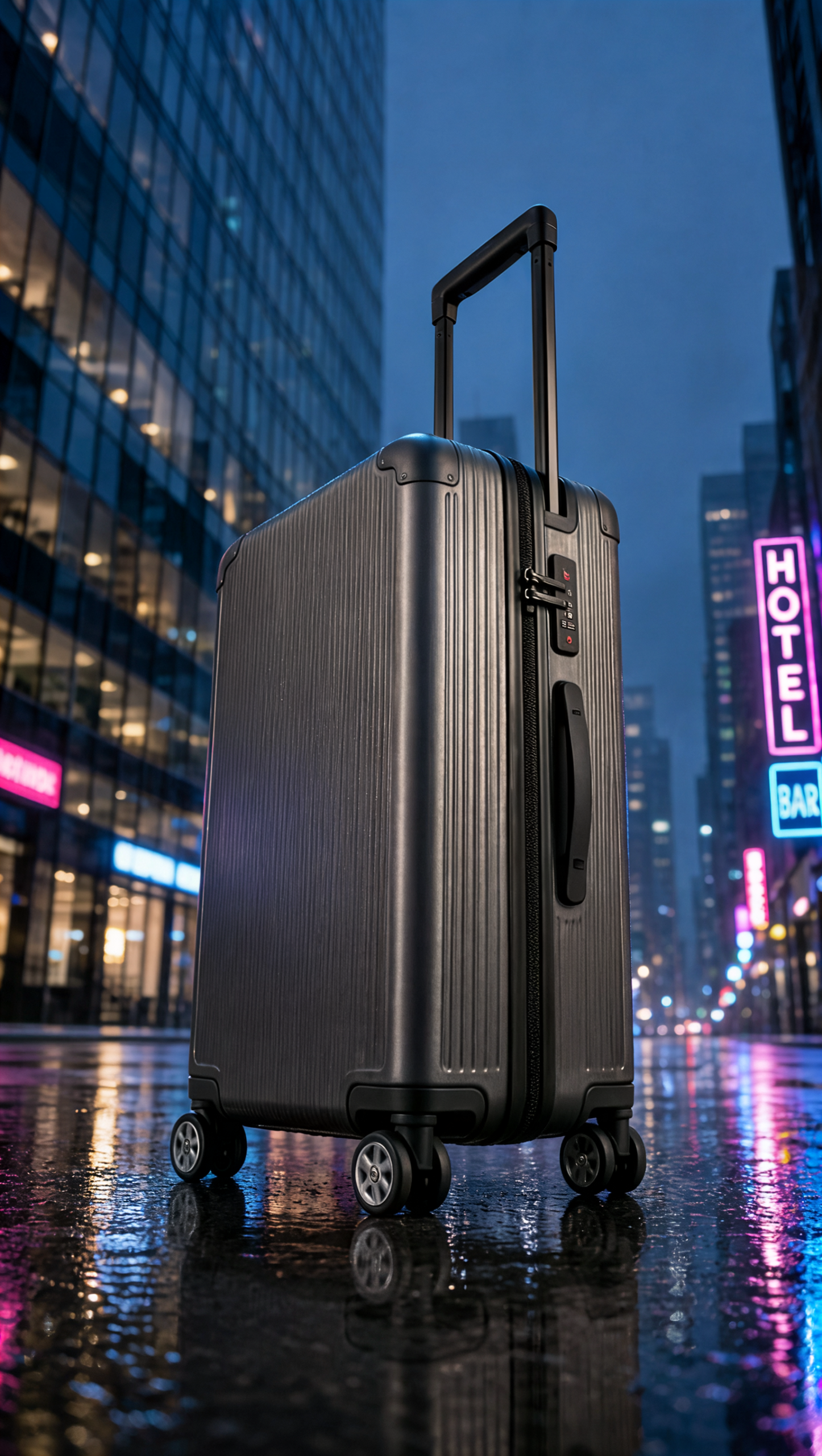
6. Suitcase at blue hour
Rain-slick pavement and a low camera angle give a suitcase scale and movement. The short brief leaves room for the city to feel natural but locks the key commercial cues: premium luggage, believable materials, and reflected neon.
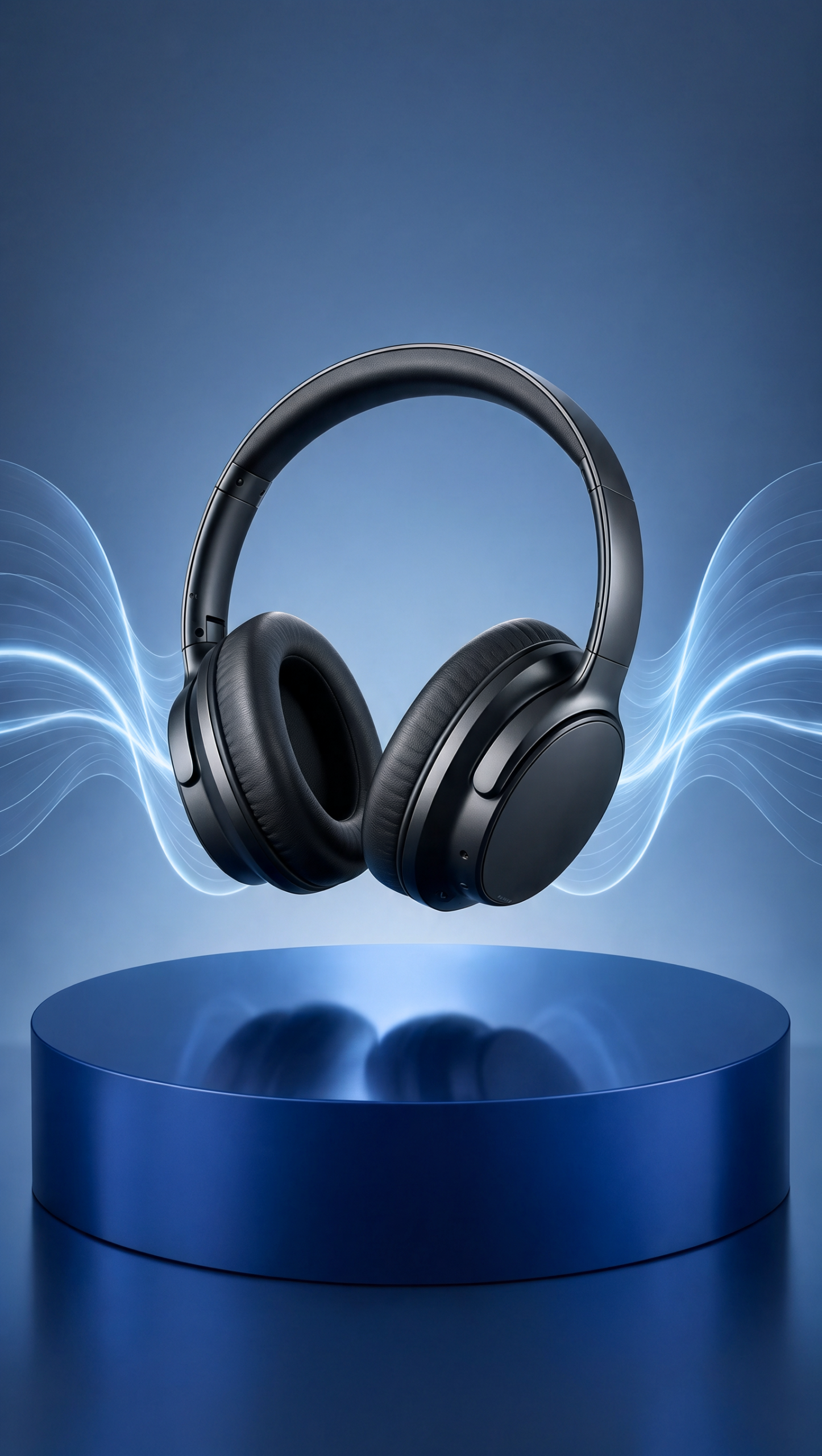
7. Headphones with sculptural sound waves
Abstract visual effects can swallow a product. The cobalt podium anchors the composition while the translucent sound ribbons add an idea without covering the headphones. The no-logo instruction helps keep the image usable as a concept mockup.
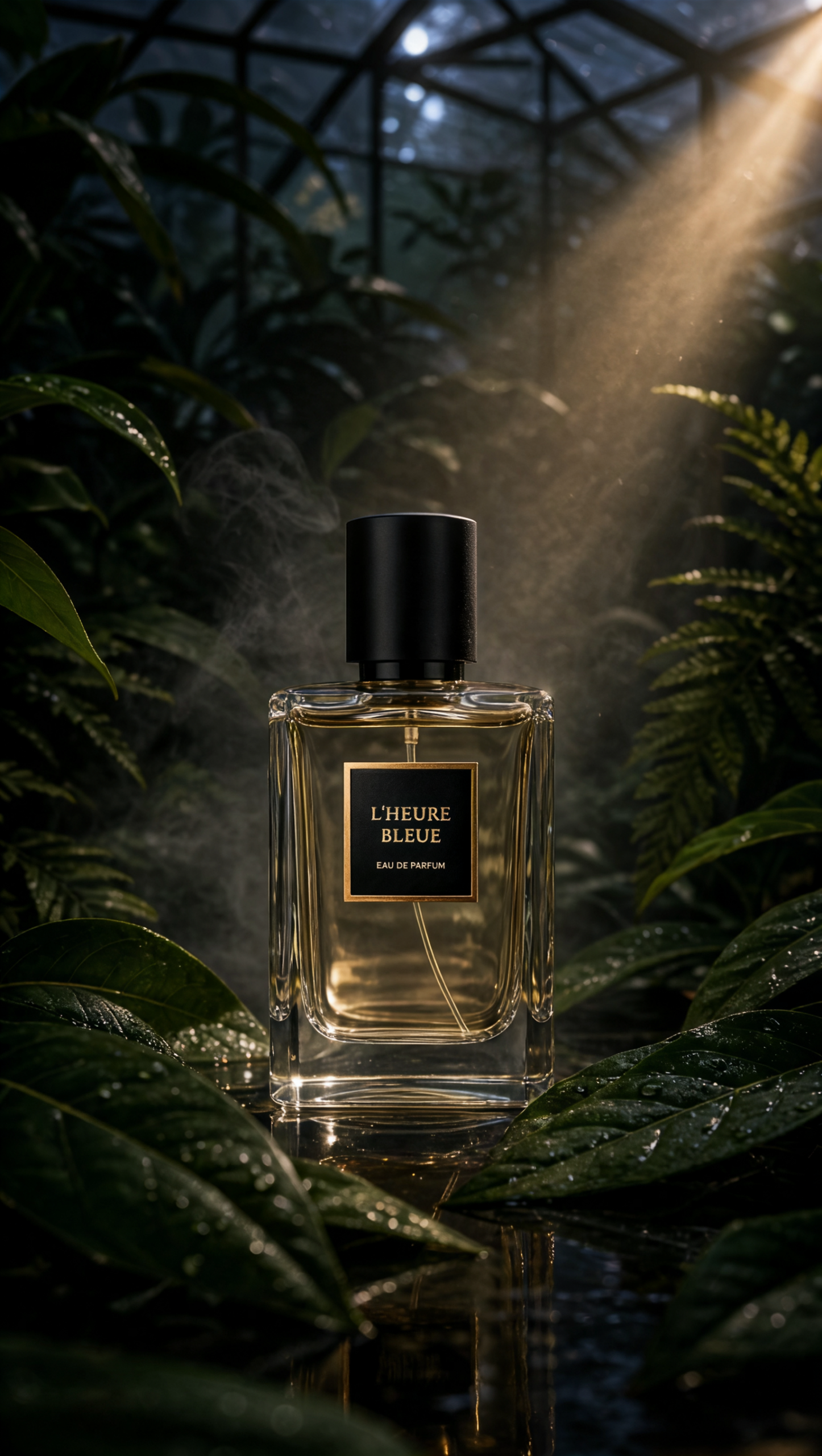
8. Fragrance in a midnight greenhouse
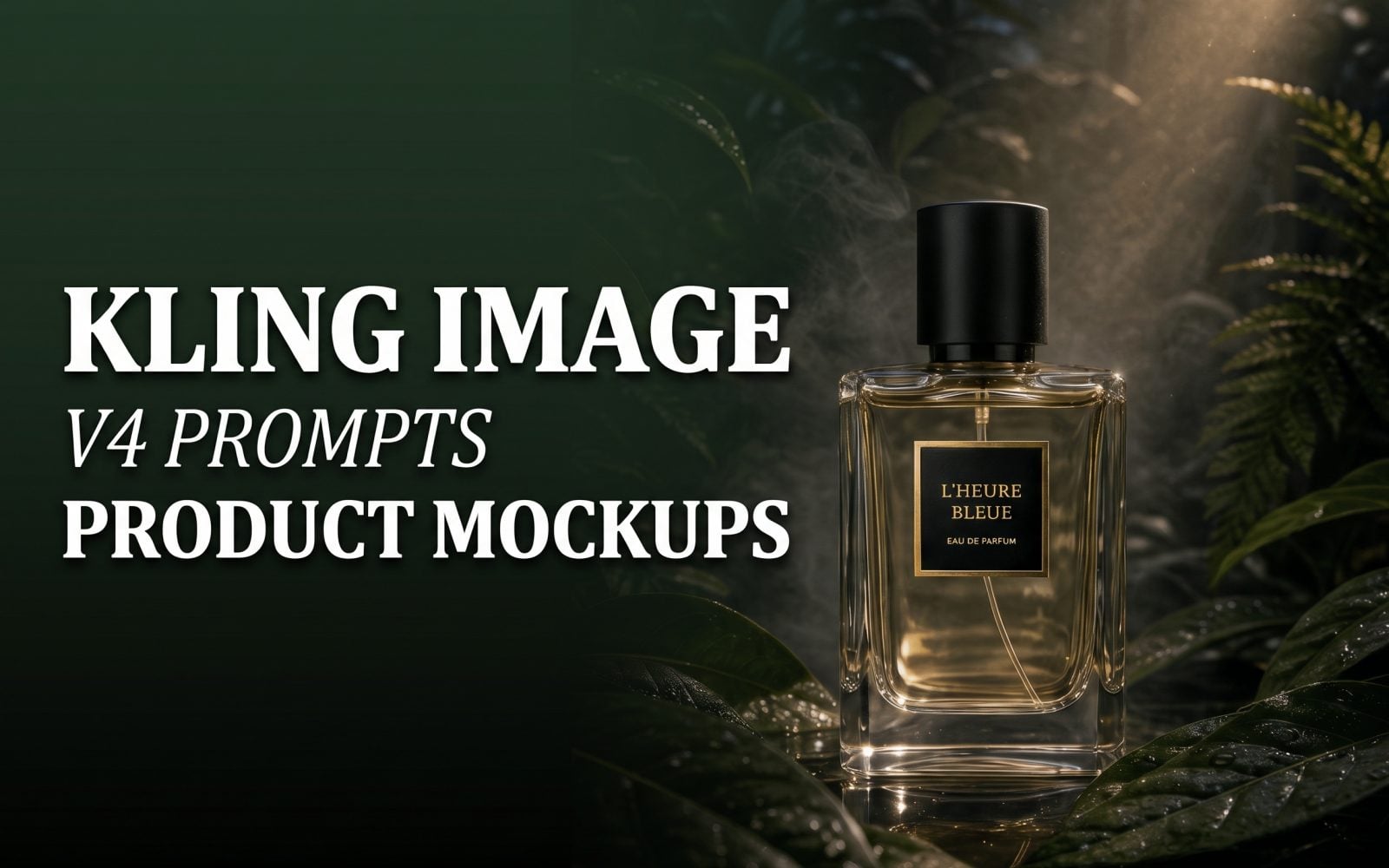
Fragrance gives the model permission to be atmospheric. The bottle still needs structure, so the prompt adds a single moonlit beam and dramatic glass reflections. Those details keep the scene from becoming a generic dark floral image.
What held up in the tests
The strongest frames use a single hero product and a short list of visual priorities. Material, lighting, and location tend to respond well when the description stays concrete. Kling Image V4 also handles a clear commercial mood well, from quiet cafe photography to rain-lit city scenes.
The pressure points are small text, exact logos, and complex internal geometry. The serum image can suggest a label, but it should not be trusted for final package copy. The espresso cutaway communicates a machine and its parts, yet an engineering diagram still needs human review. These are concept and campaign tools, not a substitute for approval on brand-critical details.
Prompt tips for better product images
- Start with the product, then add the environment.
- Name one lighting choice such as rim light, window light, or overcast light.
- Specify the material details that matter: mesh, glass, brushed steel, or fabric.
- Use a fixed aspect ratio for a known placement.
- Ask for no logo when the output is a mockup.
- For edits, keep the change narrow and state what must stay the same.
For more image and edit options, see the Kling AI product page. Start with one of the Kling Image V4 prompts above, change one visual variable at a time, and keep the strongest direction for the next round.