Seedream 5.5 Advanced review: this new ByteDance image model handles polished product stills, dense scenes, illustrated worlds, architectural layouts, and poster text with unusual confidence. Five original prompts exposed a clear pattern. It makes attractive pictures quickly, but text and small labels still need a human check.
ByteDance describes Seedream 5.5 as a multimodal image model built for greater creativity and more precise execution. The company also says the release improves pixel-level preservation of untouched areas during long edit sequences. This review focuses on prompt-only generation, not reference editing, so the results below test composition, materials, subjects, and type from scratch.
Seedream 5.5 Advanced review at a glance
- Best result: the architectural cutaway, which kept rooms, stairs, people, and solar panels coherent.
- Strong point: believable materials and light across product, food-market, and illustration prompts.
- Text result: large poster text worked well; small labels were less dependable.
- Best fit: marketing concepts, editorial art, product stills, and early layout exploration.
- Watch for: invented secondary copy and altered labels in busy images.
1. Product detail test: crisp glass and readable hero text
The first prompt asked for a violet perfume bottle on wet basalt, with a silver cap, bubbles in the liquid, and an engraved AURORA No. 7 label. The output nailed the main job. The glass reads as glass, the reflections feel controlled, and the bottle has the weight of a real product shot. AURORA is readable at the intended scale. The smaller line is also close enough to work in an editorial mockup.
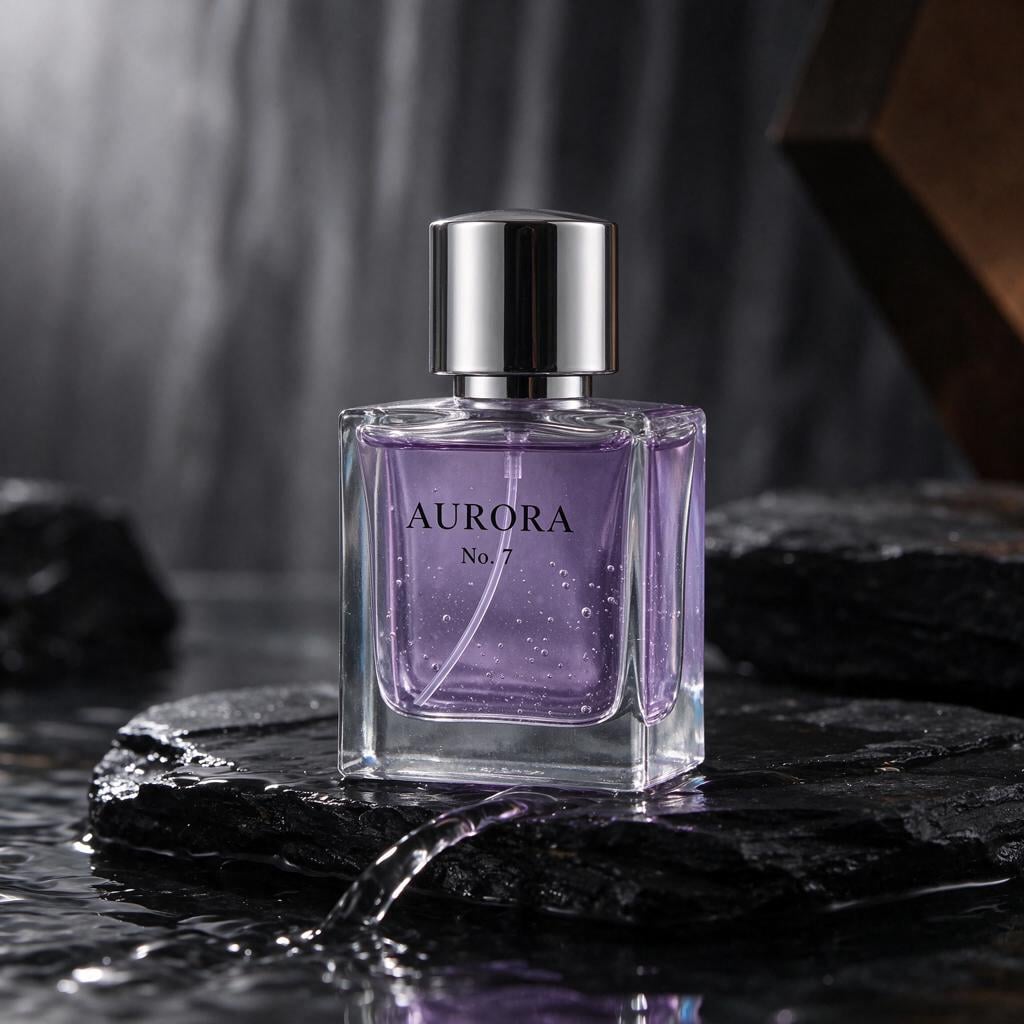
This is a useful result for teams that need a polished starting point rather than a final pack shot. Fine logo work, regulated packaging copy, and product claims should still be added in a design tool. The model understands the hierarchy of a hero product image. It does not remove the need for production checks.
2. Architectural layout test: the strongest result
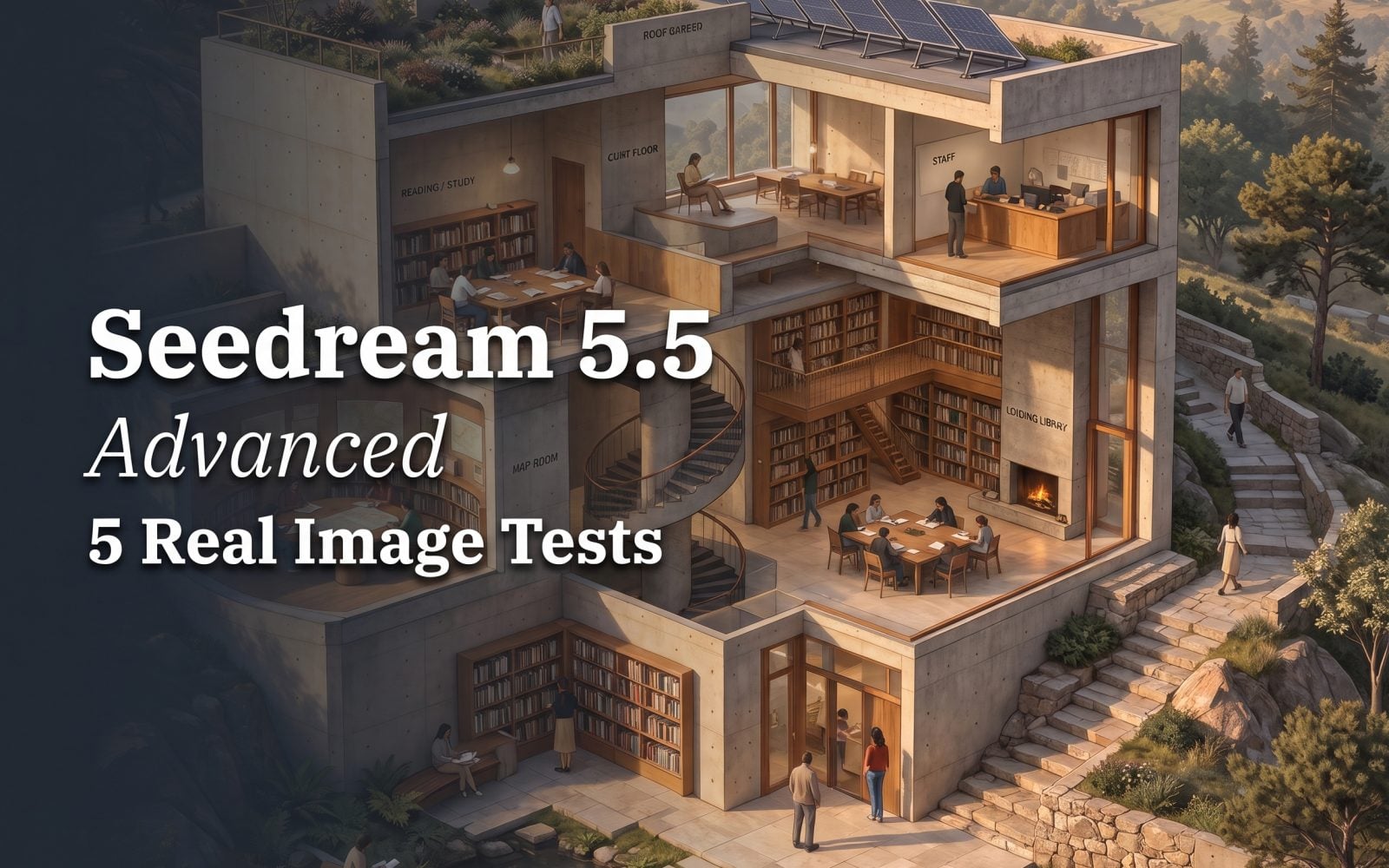
The cutaway library was the most convincing test. The prompt packed in six rooms, a spiral stair, solar panels, water tanks, people, shelving, and three small room labels. Seedream 5.5 Advanced kept the building readable from top to bottom. The spiral stair stays plausible, the spaces feel connected, and the scene does not collapse into a collage.
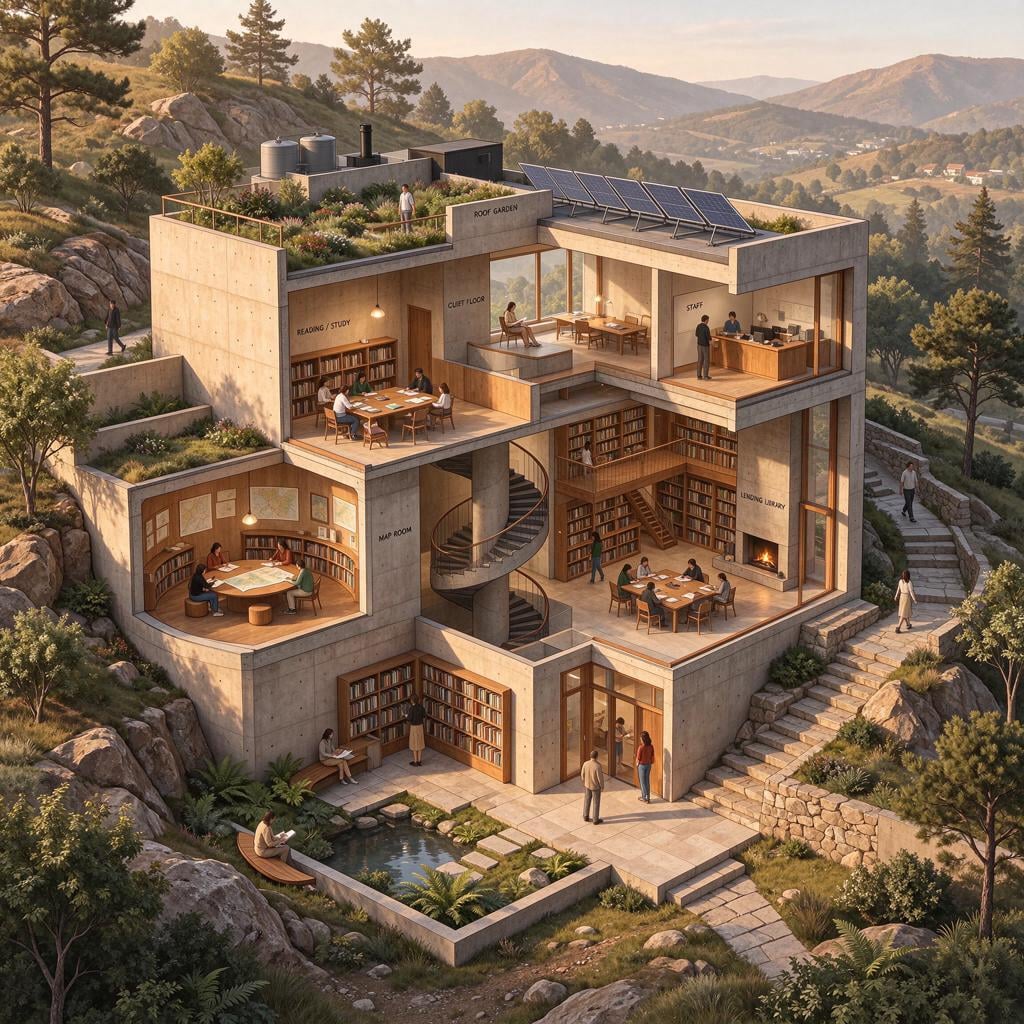
The large labels such as MAP ROOM and QUIET FLOOR came through clearly. Smaller copy drifted, including an invented library label. That split matters. The model can establish a visual information system, but tiny text should not be treated as final. For concept decks, product explainer art, and design discovery, the depth and layout control are excellent.
3. Complex scene test: strong atmosphere, sensible people
A rainy night market tested many failure points at once: transparent umbrella, a chef plating noodles, wet tile, cookware, lanterns, menu cards, neon, hands, and a crowded background. The output holds the moment together. The chef, customer, food, and rain all point to the same story. Reflections stay restrained instead of turning every surface into neon plastic.
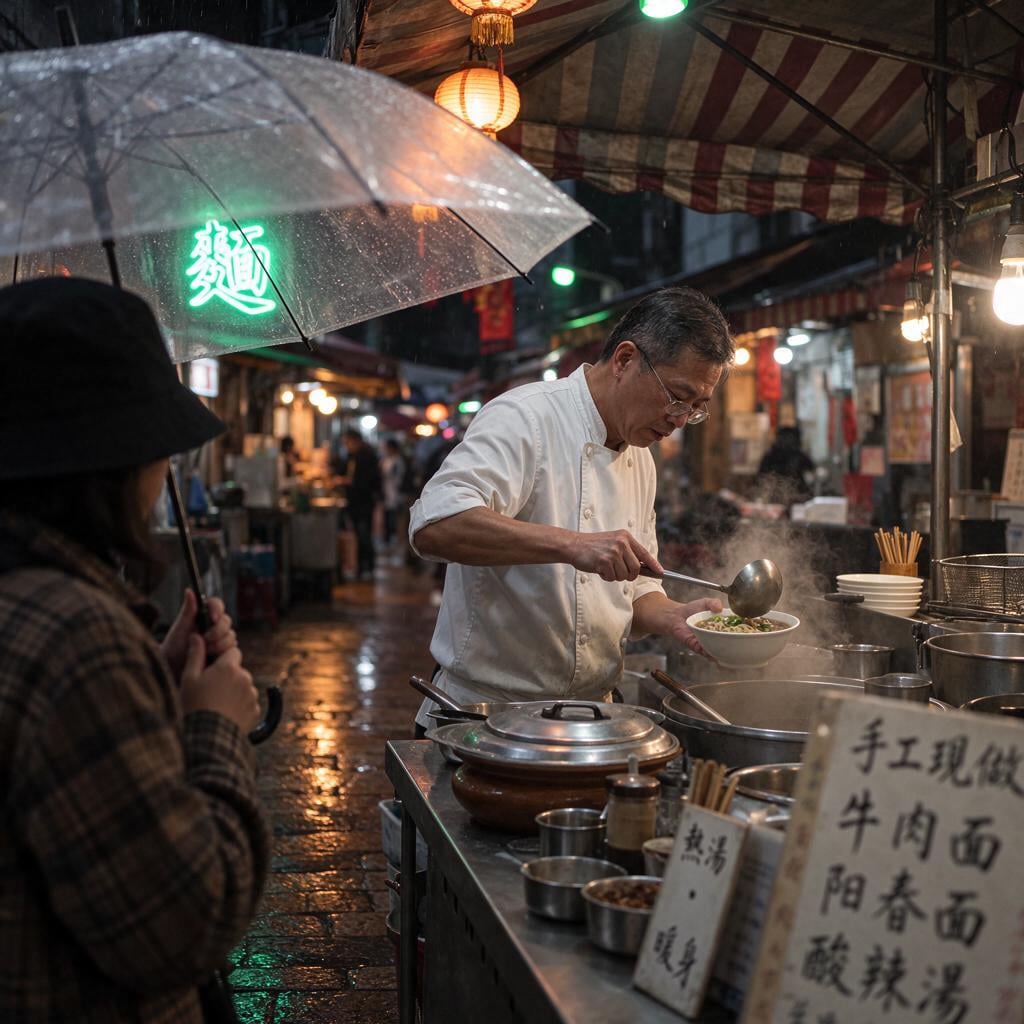
Menu lettering appears as convincing texture rather than dependable copy. That is fine for a street photograph, but it limits use in advertisements that need exact language. The people and cookware are more important here, and both land well. This test suggests Seedream works best when text is a visual detail, not a legal or informational element.
4. Illustration test: style without losing the subject
The moon greenhouse prompt asked for a hand-painted fox repairing a telescope among drawings, tools, glass panels, and an Earthrise. The result has a cohesive storybook feel. The fox remains readable, the telescope looks mechanically plausible, and the desk carries enough small objects to invite a second look.
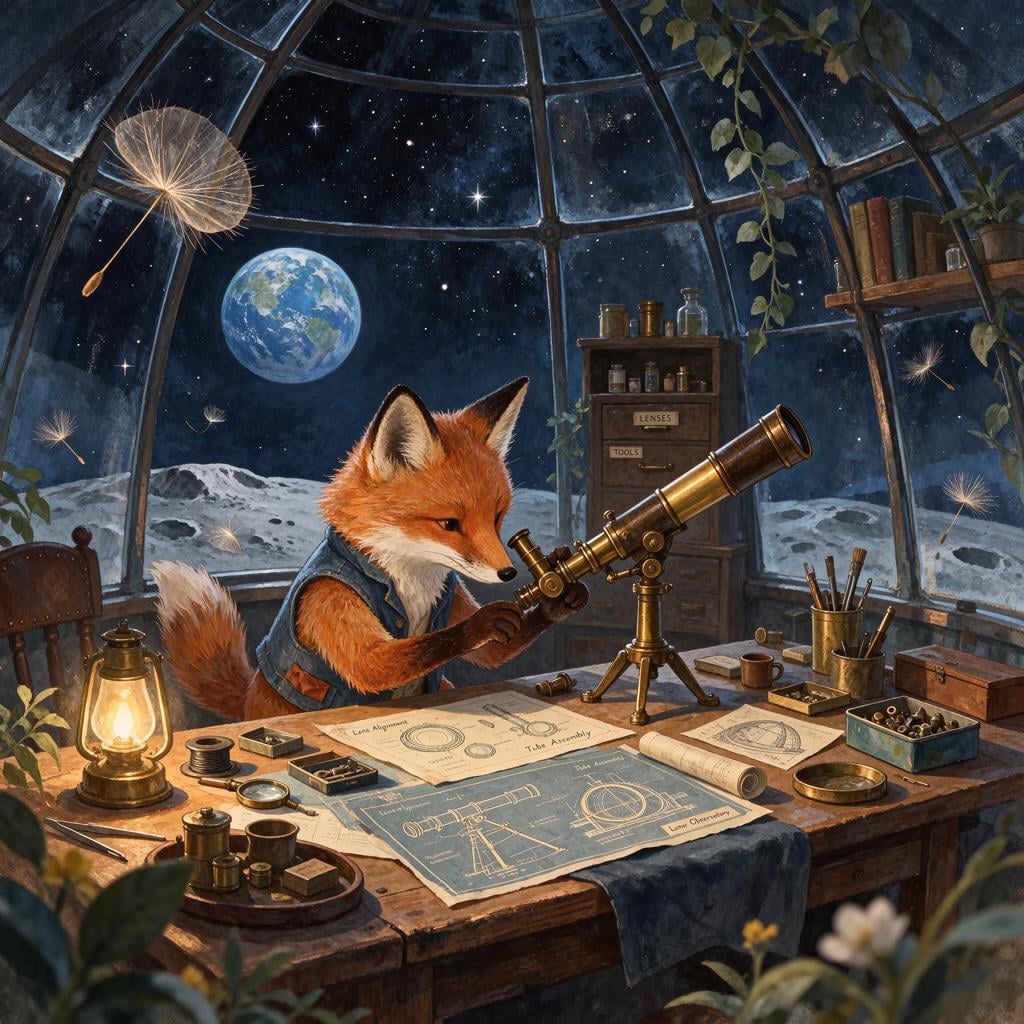
The tiny blueprint writing is not reliable, but that is the right tradeoff for this prompt. The image prioritizes mood, scale, and the fox’s pose. It would work as a concept board, a book-cover direction, or a campaign mood piece with only light cleanup.
5. Typography test: good large type, noisy secondary copy
The hardest prompt required a Swiss-grid observatory poster with exact words: NIGHT SIGNALS, 14 NOV, and OPEN SKY. The primary headline is sharp and correctly spelled. The date and subhead also hold up. The model even builds a convincing system of rules, blocks, and blue accents around the telescope.
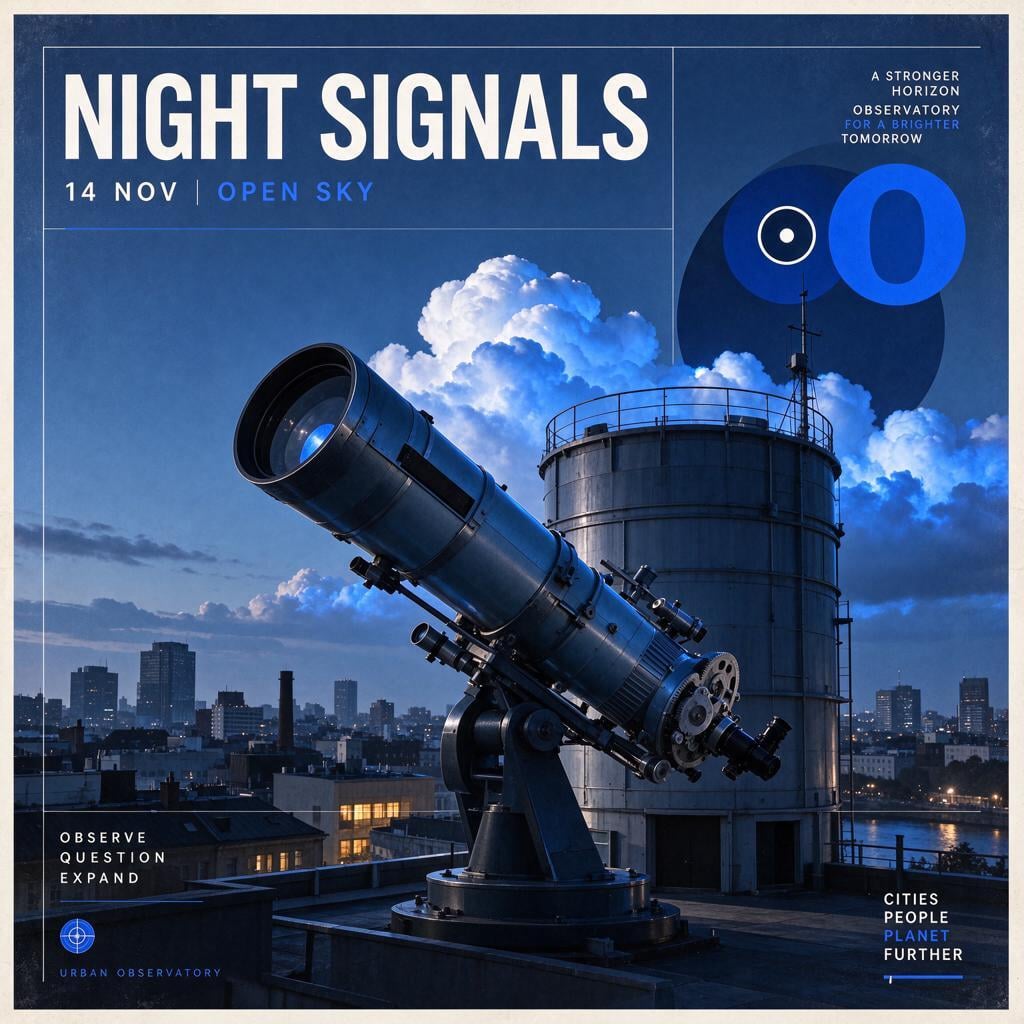
The catch appears in the small supporting text. Several lines are invented or malformed. That makes this a promising poster generator, not a finished print-file generator. Use it to explore type scale, color, image placement, and headline treatment. Then rebuild the approved layout with real fonts and controlled copy.
Seedream 5.5 Advanced review: the verdict
Seedream 5.5 Advanced is strongest when an image needs several layers of intent at once. It handled glass, interiors, wet streets, character illustration, and a poster system without losing the core scene. ByteDance positions the model around precise execution, and the architectural test supports that claim. The model page lists support for text prompts, reference images, and transparent PNG output, which makes it more flexible than a prompt-only generator.
The limitation is clear too. Large words can be dependable. Small labels, secondary copy, and decorative text remain fragile. Treat the model as a capable art director and image maker, not a typesetter. For fast visual exploration and polished campaign concepts, it is an easy model to reach for. Run Seedream 5.5 Advanced when the brief calls for depth, realism, and more than one visual challenge in the same frame.