GPT Image 2.6 Sunburst review starts with a simple question: can one image model handle clean typography, labeled diagrams, moody photography, dense infographics, and illustration without falling apart? Five fresh prompts put that question to work. Every result below was generated on GPT Image 2.6 Sunburst at 1K, 3:2, medium quality, and high complexity.
OpenAI positions Sunburst as the higher-detail branch of its Images 2.6 release. The official release notes describe stronger editing consistency, configurable quality, and a complexity setting for scenes that need more planning. That makes it a good candidate for tests where a nice-looking picture is not enough. The image has to obey.
What GPT Image 2.6 Sunburst brings to the test
The model accepts a text prompt plus optional reference images, masks, and markup. It also exposes ratio, resolution, quality, output format, background, and complexity controls. For this GPT Image 2.6 Sunburst review, all five runs used the same baseline settings. Only the creative brief changed. That keeps the examples comparable while testing very different kinds of visual work.
This is not a speed benchmark. A single pass can show whether the model catches the requested objects, composition, and text. It cannot prove repeatability across a production batch. Still, the test set reveals where a prompt can stay concise and where it needs more guardrails.
1. Product typography that stays readable
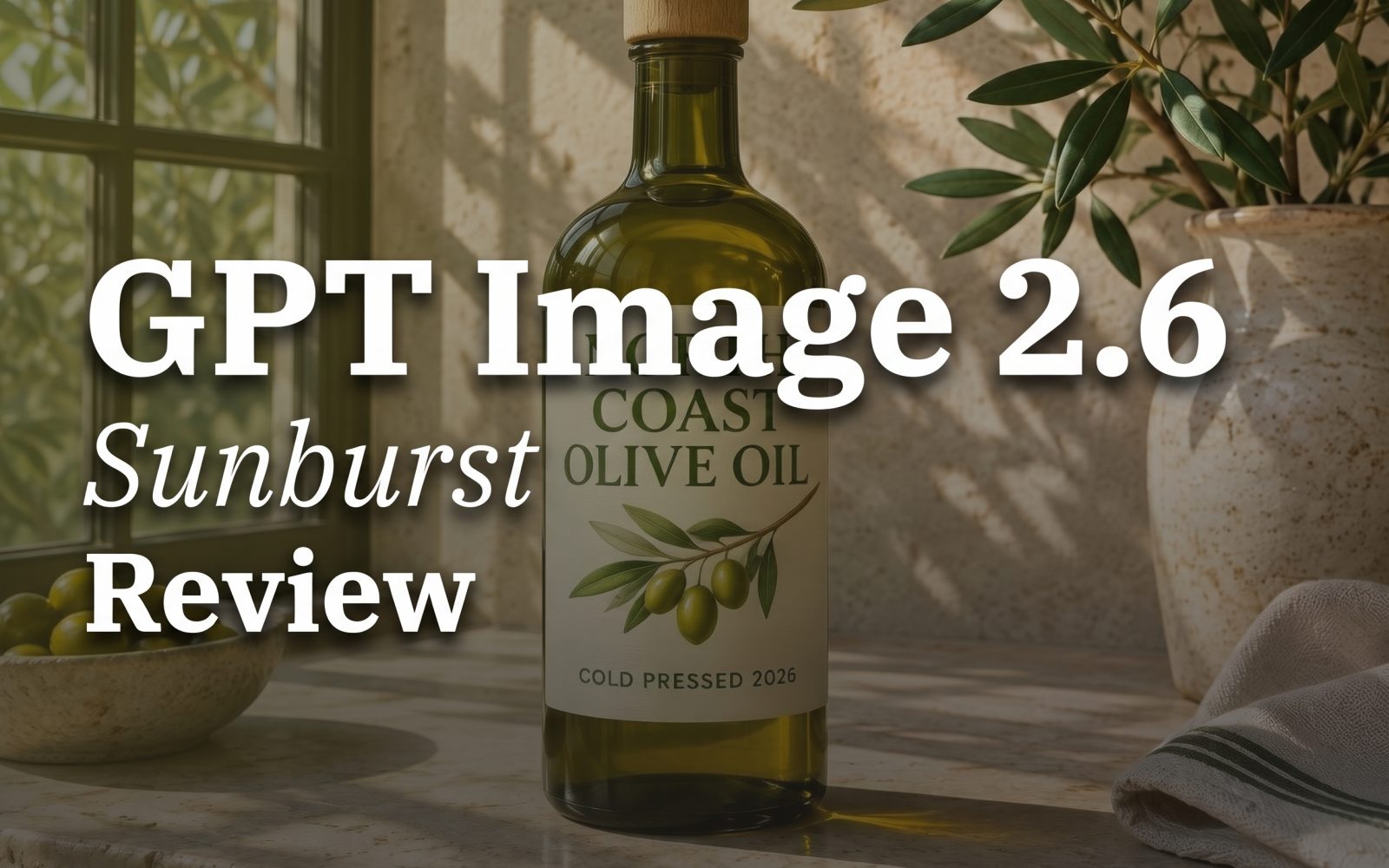
The first prompt asked for a premium olive oil bottle on a limestone counter. The label had to read NORTH COAST OLIVE OIL and COLD PRESSED 2026, with an olive branch illustration. Product labels are a useful hard test because a single miss makes the asset hard to use.
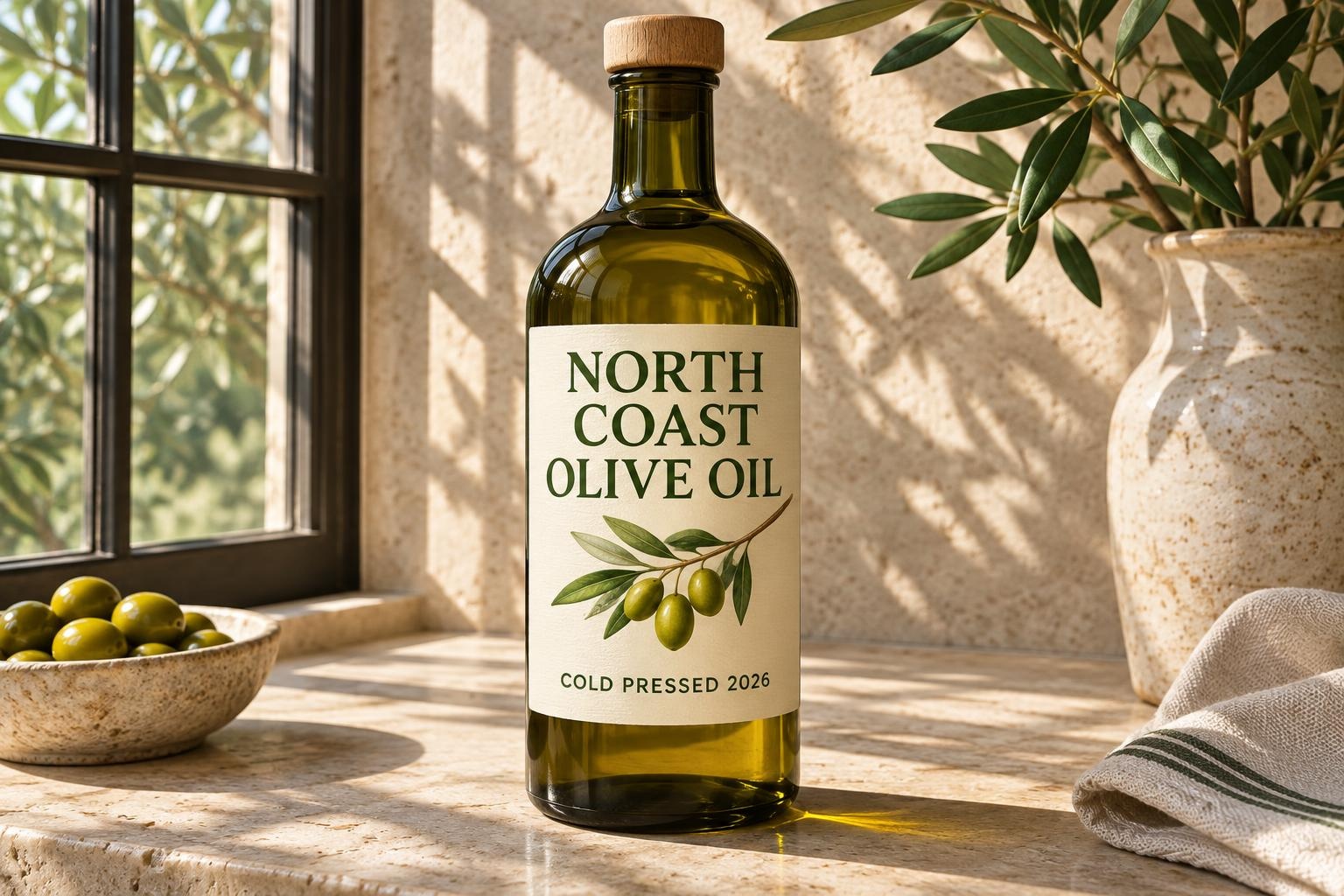
The result keeps the bottle centered and gives the label enough contrast to read. Both requested lines are present and spelled correctly. The olive branch feels integrated rather than pasted on. That matters for packaging mockups, menu visuals, and concepts that need a client-readable first draft.
2. A labeled technical cutaway
Next came an ocean research station cut into three visible levels. The brief required OBSERVATION DECK, WET LAB, and POWER ROOM, plus leader lines and a small research boat. This kind of prompt mixes perspective, object placement, and short text.
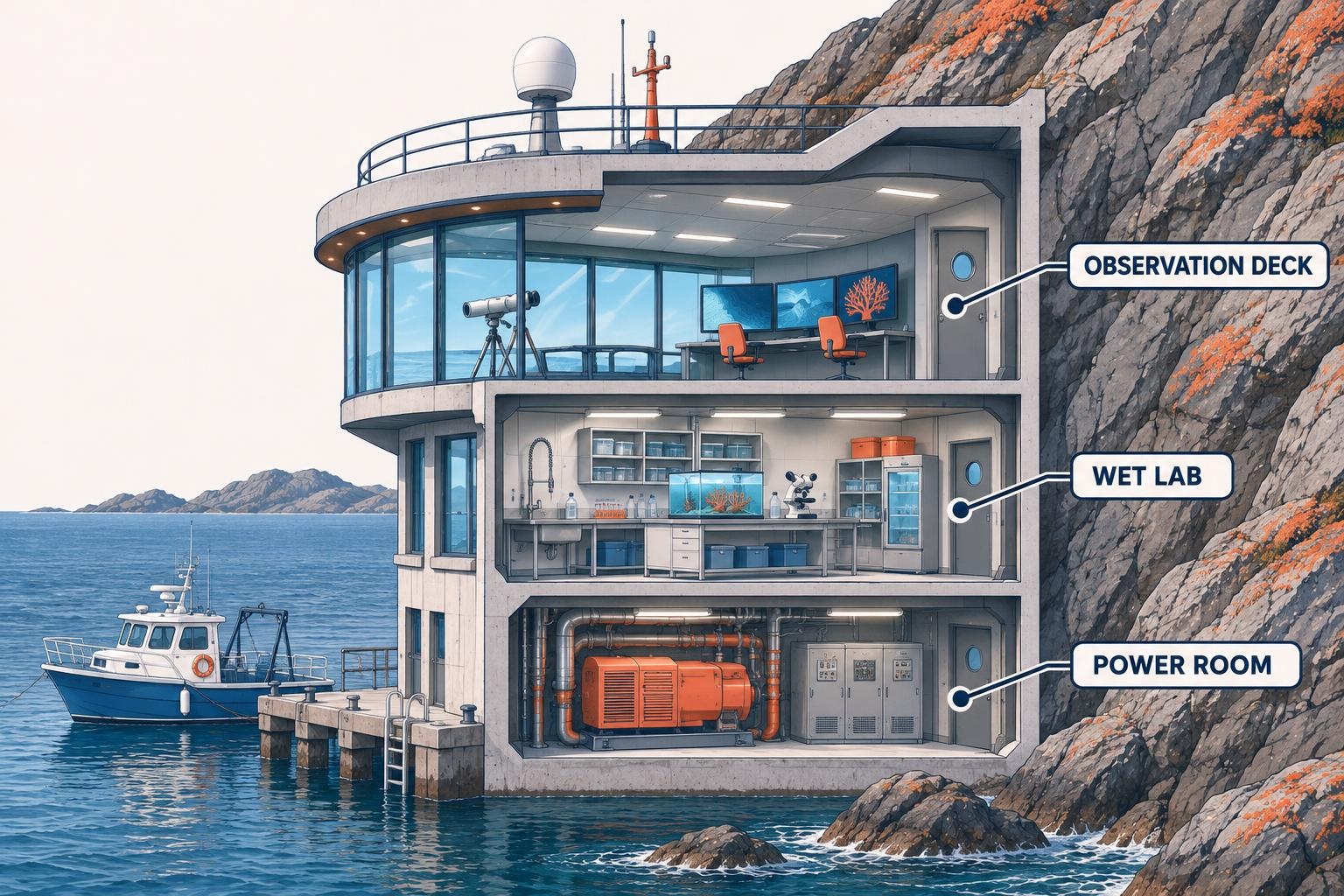
The labels land on the correct levels and stay readable. The model also separates the workspaces well: telescope above, lab equipment in the middle, and power gear below. GPT Image 2.6 Sunburst handles this as an editorial diagram rather than a sterile technical blueprint. For documentation, a human review is still needed before treating any rendered diagram as factual.
3. Night food photography with a tight mood brief
The third run shifted from layout control to photographic atmosphere. It asked for a chef plating noodles at a midnight stall in Seoul, light rain, warm lantern light, blue neon reflections, and no readable signage. The image has to feel busy without turning the chef into a background extra.
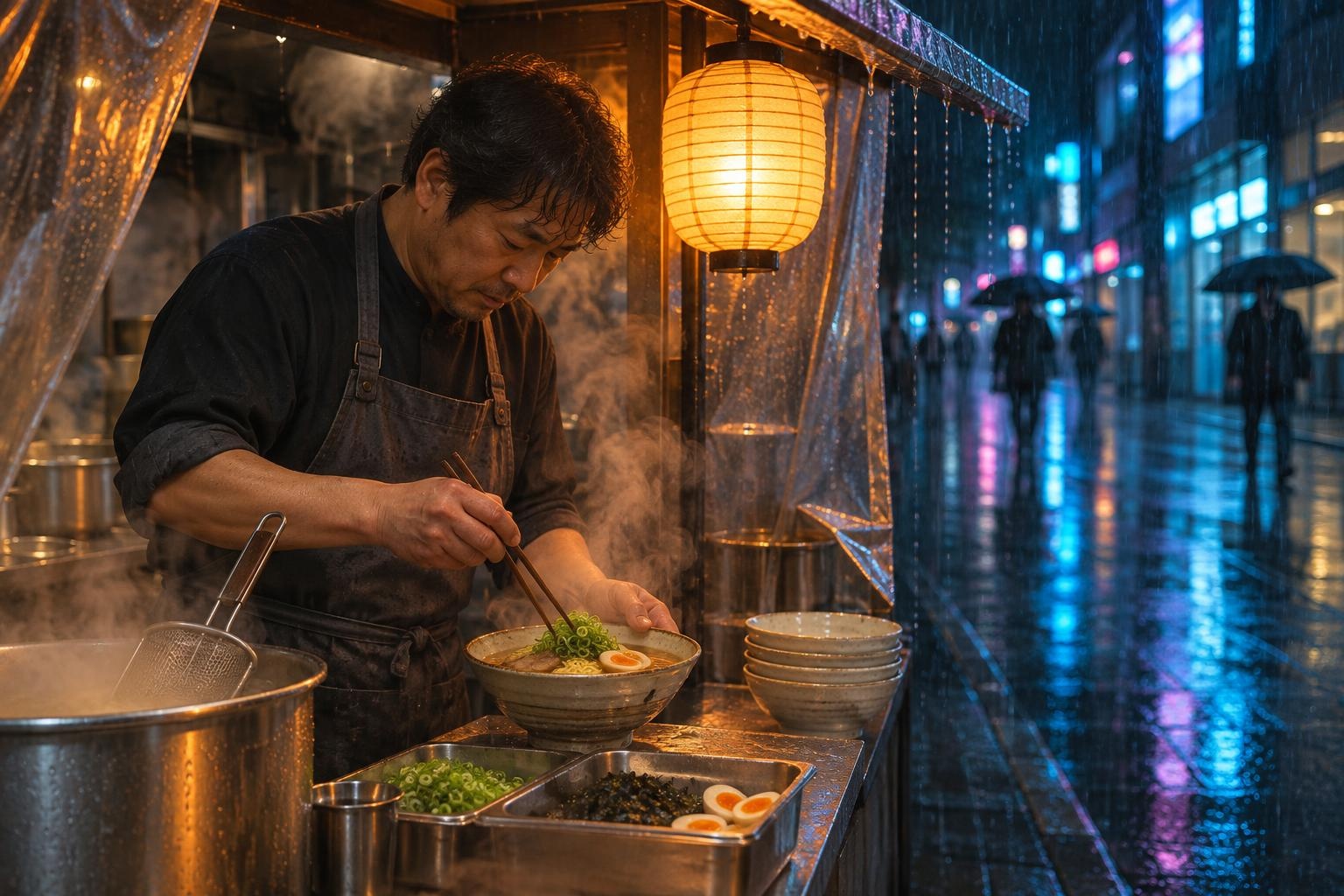
The chef remains the focal point. Steam, lantern light, wet pavement, and the cooler city background make the scene read quickly. The decision to request no text pays off too. When copy matters, the earlier product test is the better proof point. When atmosphere matters, this GPT Image 2.6 Sunburst result has more than enough depth for a campaign concept or article header.
4. Five labels in one infographic
A small climate-resilient city block was the strictest layout test. It required trees, a cool roof, rain garden, solar panels, and a bus stop, plus exactly five labels. Dense layout prompts often fail by dropping one item or inventing extra copy.
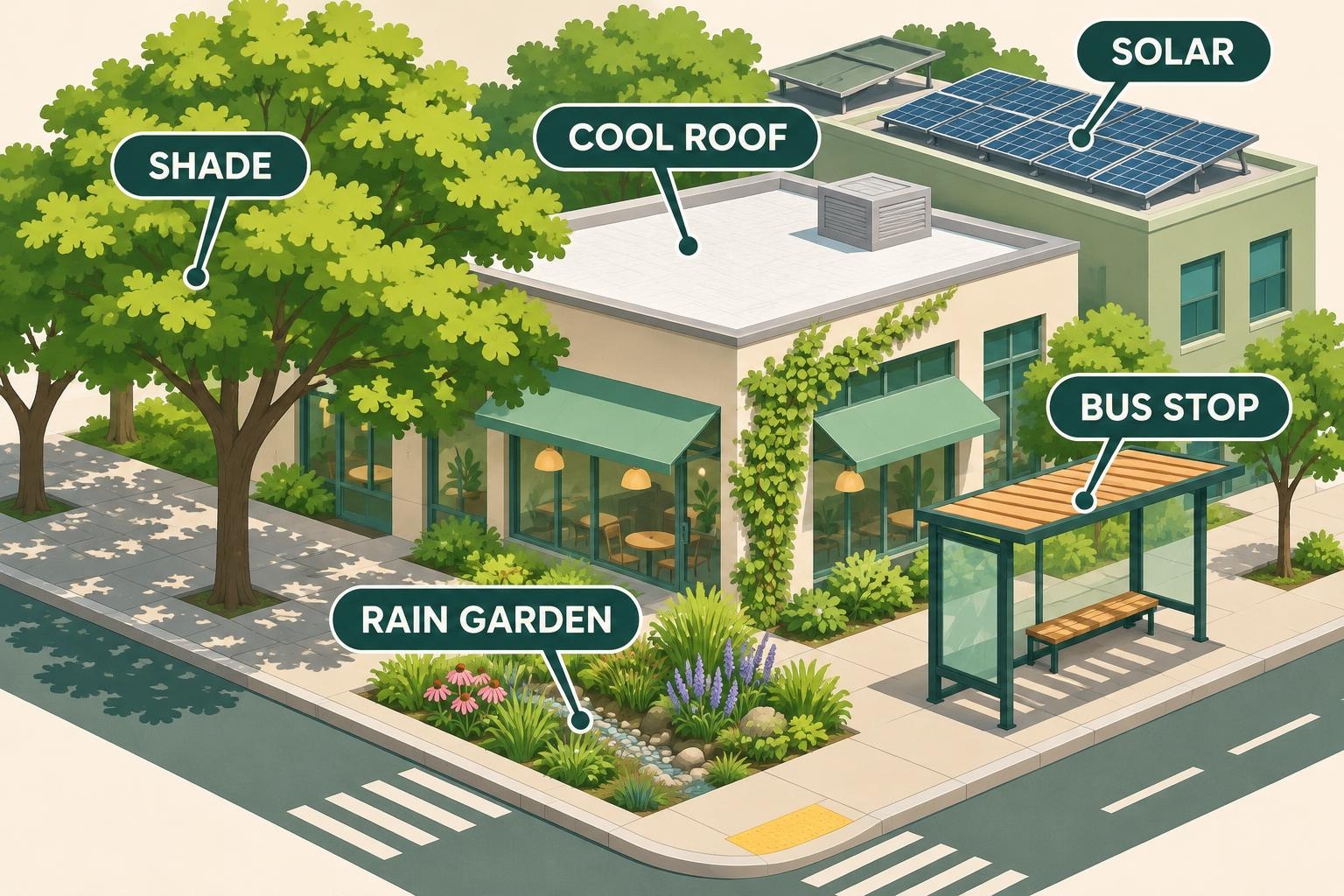
All five labels appear: SHADE, COOL ROOF, RAIN GARDEN, SOLAR, and BUS STOP. Their callouts point to sensible locations. The design also preserves a clear reading order from tree canopy to transit shelter. It is not a substitute for a production illustrator when legal or engineering accuracy matters. It is a strong way to explore a visual story before that stage.
5. A complete storybook scene
The final prompt asked for a red fox astronomer in a treehouse observatory, a telescope, star maps, a kettle, books, fireflies, and a sleeping hedgehog. Small narrative objects are an easy place for generated images to lose coherence.
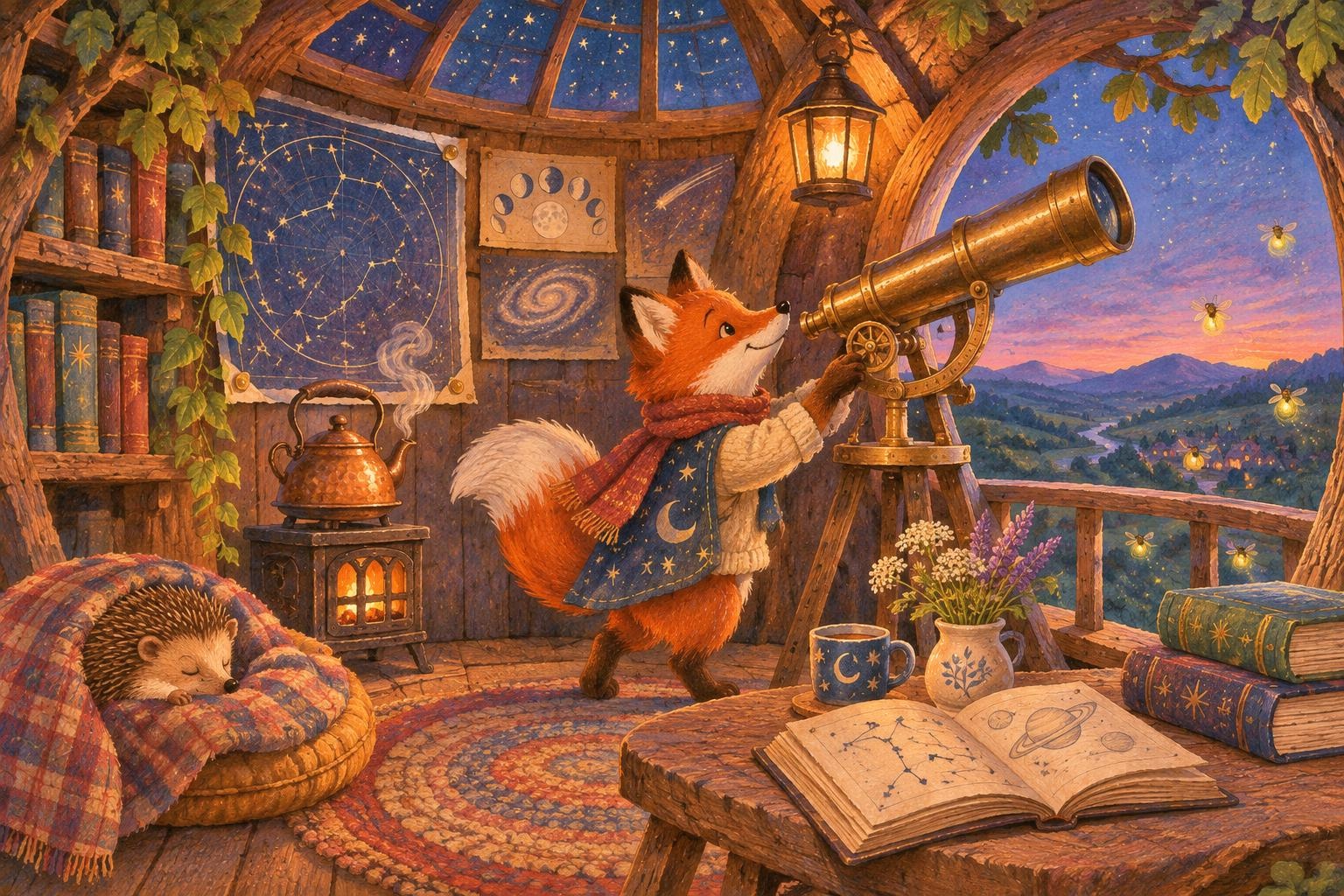
The result keeps the warm gouache-and-pencil mood while giving each major item space. The fox, telescope, hedgehog, kettle, books, and night sky all read at a glance. This is where GPT Image 2.6 Sunburst feels least like a generator of isolated objects and more like a scene builder.
GPT Image 2.6 Sunburst review verdict
GPT Image 2.6 Sunburst is a strong fit for image work that needs more than surface polish. The five tests show reliable short text, clean object grouping, a believable photographic scene, and a busy illustration that does not collapse into noise. High complexity makes sense for diagrams and many-object scenes. Simpler product briefs may not need it.
The practical limit is still verification. Check every word, count every required element, and do not use generated diagrams as a source of real-world facts. For concepts, product visuals, editorial images, and prompt-led illustration, the model has a useful range. Try the same briefs, change one constraint at a time, and see how the output holds up for the actual job.
Run GPT Image 2.6 Sunburst on Wiro and compare its layout control with the earlier Qwen Image 2.1 review.